Desert Camping in Oman
Wild camping in Oman is legal almost everywhere. Head to Wahiba Sands but use a 4WD, go Oct-Apr, and don’t go alone.
Last updated: April 12, 2026
Wild camping rewards experienced convoy travelers with proper recovery gear; a guided overnight is the simpler first-camp choice because it combines 4WD transport, a guide, accommodation and meals. Check Dates For 2 Days and 1 Night Private Wahiba Sands Desert Tour ↗
Desert Camping in Oman: Quick Facts
| Is wild camping legal? | Yes, legal almost everywhere in Oman on public land |
| Permit required? | No permit for standard wild camping. Muscat Governorate rules require a permit for stays over 48 hours with a 100 OMR deposit. |
| Main Desert Camping Area | Wahiba Sands (Sharqiyah Sands) – 2-2.5 hrs from Muscat |
| Second Option (Wilder) | Sugar Dunes (Al Khaluf) – 400 km / ~5 hrs from Muscat, white dunes on the coast, no camps |
| Vehicle Required | 4WD essential for dune entry. Standard car reaches the desert edge only. |
| Best Time to Camp | October to April. Best months: November to February. |
| Night Temperature | Dec-Jan: as low as 10°C. Oct/Apr: 20-25°C. Always pack a warm layer. |
| Cell Signal | None once deep in the dunes. Download offline maps before entering. |
| Fire Rules | Campfires generally permitted. Bring your own firewood – none available in the dunes. |
| Where NOT to Camp | Private property, Ras Al Jinz turtle beach, Daymaniyat Islands (May-Oct), protected nature reserves |
| Rooftop Tent 4WD Rental | Available from multiple Muscat operators. From ~80-120 OMR/day fully equipped. |
| Camping Gear in Muscat | Lulu Hypermarket, Hypermax, Sultan Centre (Qurum), Thursday Trip (Mawaleh) for recovery gear |
Information verified March 2026.
What Is Desert Camping in Oman Like?
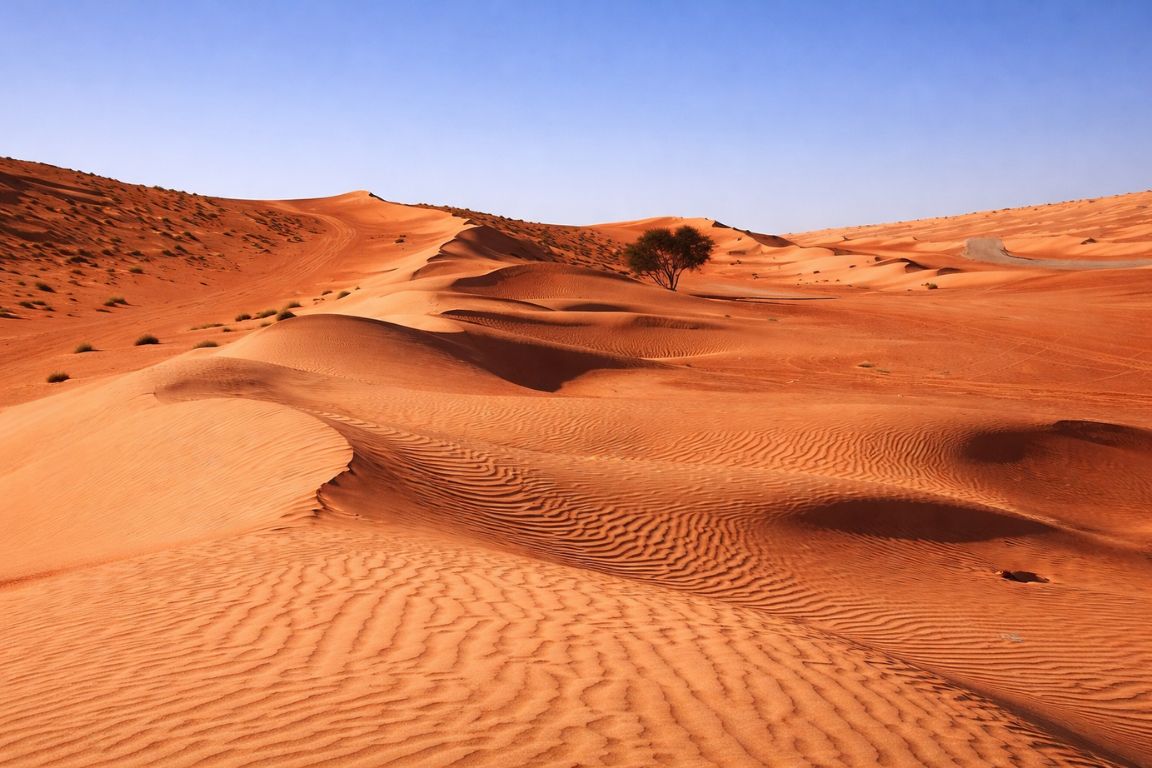 Desert camping in Oman means wild camping in one of the country’s dune regions, most commonly the Wahiba Sands. There are no designated pitches, no booking systems, and no entry fees for public land. You drive in, find your spot on the dunes, and camp. There is no mobile signal, no infrastructure, and no lighting except stars. Oman is one of the few places in the world where this kind of genuine wilderness camping is both legal and practical for travellers.
The wind comes up after dark. Most first-time desert campers notice it within an hour of the sun going down, a directional shift that picks up sand and presses it against everything. By morning there is a thin layer of it inside every bag you left open, every shoe you left outside the tent, and almost certainly the corner of your sleeping bag. This is not a complaint. It is what the desert does, and once you accept it, camping in the Wahiba Sands or the Sugar Dunes becomes the kind of experience that makes every other kind of camping feel slightly insufficient.
Camping is woven into Omani culture in a way that surprises many foreign visitors. On weekends and school holidays, Omani families drive out to the desert, the mountains, and the coastline in proper expedition setups, big 4WDs loaded with cooking pans, gas cylinders, rugs, and enough supplies for several days. The concept of wild camping as something alternative or adventurous barely registers here. It is simply what families do. That context matters, because it means the desert is not a hostile or lawless place. If something goes wrong out there, the people most likely to stop and help are other campers.
The official legal framework backs this up. Wild camping is permitted on public land throughout Oman. No permit is required for standard overnight stays. The Muscat Governorate does impose rules for stays over 48 hours in the Muscat area, requiring a permit and a 100 OMR security deposit, but this is rarely relevant for desert camping visitors who are typically staying one or two nights in the Wahiba Sands, well outside Muscat Governorate. The clear exceptions, consistently signed and enforced, are protected nature reserves, turtle nesting beaches at Ras Al Jinz, the Daymaniyat Islands between May and October, and private land.
Where Can You Camp in the Oman Desert?
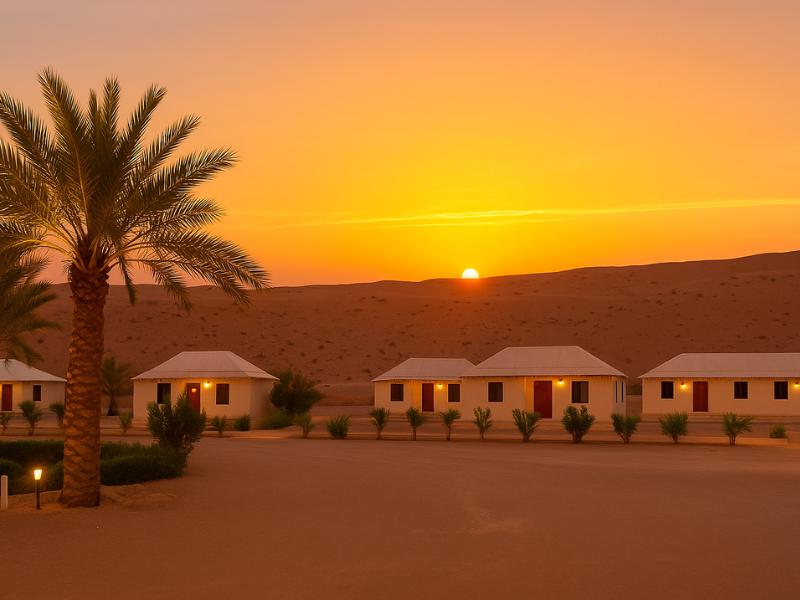
The Wahiba Sands is the main desert camping destination, accessible from Muscat in 2.5 hours and well developed enough that help is usually not too far away if something goes wrong. The Sugar Dunes at Al Khaluf are wilder, whiter, and require a longer drive (400 km / 5 hours south), but offer something the Wahiba increasingly cannot: solitude. Both require a 4WD. Neither requires a guide for experienced desert drivers, though both strongly recommend it for first-timers.
The Wahiba Sands, also known as Sharqiyah Sands, covers 12,500 square kilometres between Bidiyah and Al Wasil. Its dunes run north to south in regular ridges, reach up to 100 metres tall near the coast, and shift by as much as ten metres per year. For first-time desert campers coming from Muscat, the western edge near Bidiyah is the standard entry point. The first kilometre or so of sand track from the tarmac road is fairly well compacted, meaning you can camp just off the edge of the main track without needing extreme off-road experience. To get deeper in, away from other campers and the noise of ATVs and generators at the established camps, requires 10 to 40 kilometres of dune driving and genuine sand navigation experience.
The Sugar Dunes at Al Khaluf are an entirely different proposition. These dunes are white, not orange, which is the first visual shock. They sit directly alongside the Indian Ocean, so from the top of a dune you look down at deep blue water on one side and white sand extending into the interior on the other. There are no fixed camps here, no organised tours, and very few tourists. The dunes are accessible without deflating your tyres for the first stretch, which makes them more manageable for drivers without extensive sand experience. The nearest fuel and supplies are in the village of Al Khaluf. The nearest large supermarket is over an hour away. This is a multi-day camping destination, not a quick side trip from Muscat.
Need the desert breakdown? Our Oman desert tours guide walks you through camp options, dune bashing logistics, and whether you need a guide or can navigate the sand yourself.
| Wahiba Sands (Bidiyah/Al Wasil entry) | ~200 km / 2.5 hrs | Orange dunes, 100m tall near coast | First-timers, weekend trips, guided tours | Fixed camps, fuel at Al Wasil/Bidiyah, Lulu at Ibra |
| Sugar Dunes (Al Khaluf) | ~400 km / 5 hrs | White dunes on Indian Ocean coast | Experienced campers seeking solitude, multi-day road trips | No camps, small petrol station at Al Khaluf village |
| Wahiba Sands deep interior (30-40 km in) | ~230-240 km | Remote dune camping, zero light pollution | Experienced 4WD campers, convoy travel only | No signal, no help nearby, full self-sufficiency required |
What Equipment Do You Need for Desert Camping in Oman?
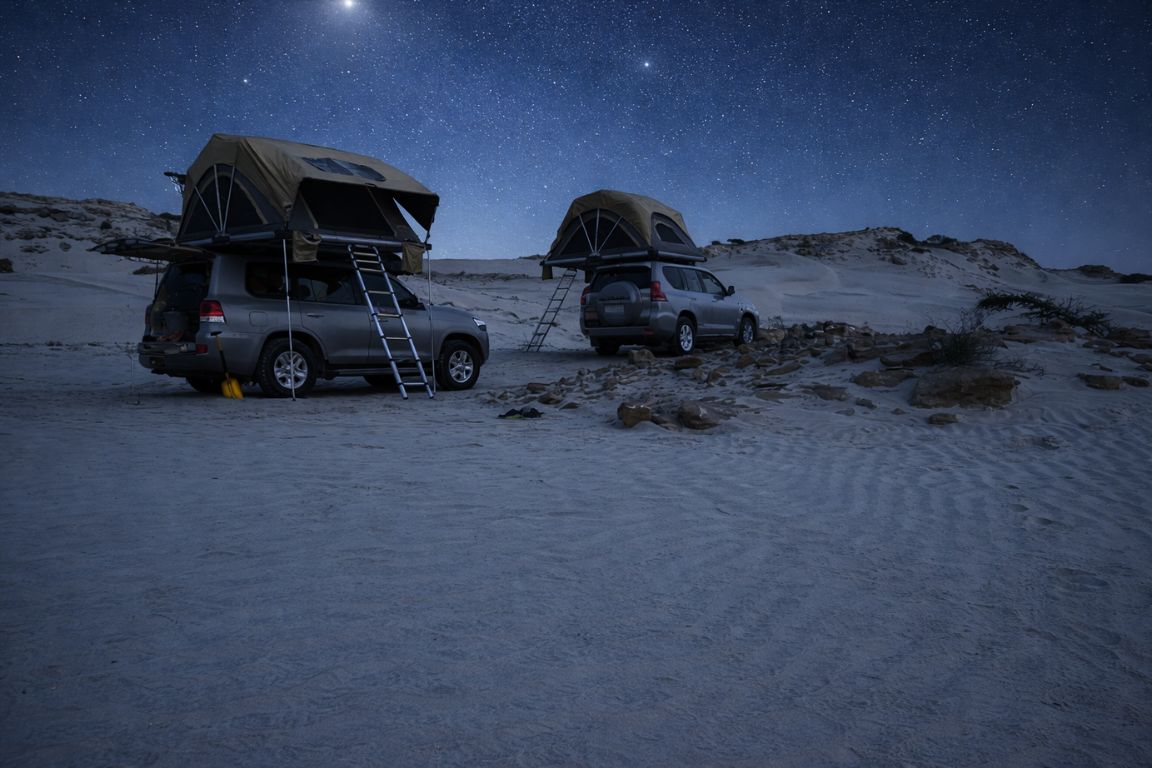 Desert camping in Oman has two gear categories: vehicle recovery equipment (non-negotiable in the dunes) and personal camping kit. For the vehicle side, you need a 4WD, a tyre deflator, an air compressor, sand boards or tracks, a tow rope with shackles, and a full fuel jerry can. For the camping side, the essentials are a good tent with sand stakes, a warm sleeping bag, minimum 4-5 litres of water per person per day, firewood (none available in the dunes), and a headlamp plus power bank.
The tent question gets more attention than it deserves in most camping guides. What matters more is how you pitch it. Sand dunes are terrible for standard tent pegs, which pull out the moment any wind builds. Either bring sand anchors (deadman anchors – small bags you bury in the sand with the guy line attached), use heavy objects like full water containers to hold down the corners, or use a freestanding tent that doesn’t rely on pegging. The wind in the Wahiba Sands shifts direction when the sun rises and sets, and a poorly staked tent at 4am is a memorable but unpleasant experience.
Rooftop tent versus ground tent is the debate that runs through every camping forum about Oman. The rooftop tent wins on two counts: it keeps you off the ground (scorpions and snakes make the occasional appearance, mostly near the edge camps and bushes), and it ventilates better in the residual heat of early evening than a ground tent pitched on warm sand. The disadvantages are cost to rent, slightly less flexibility on where you can park, and the fact that getting down to use the toilet at 2am in the desert is less comfortable than it sounds in the sales brochure. Ground tents are completely viable. They just require more attention to wildlife checks and morning inspections before packing away.
The recovery kit is where inexperienced desert campers consistently underestimate the risk. Getting a 4WD stuck in soft sand is not unusual even for experienced drivers. It is usually recoverable with the right equipment and technique: deflate tyres to 15-20 PSI before entering dunes, switch off traction control (which digs you deeper when it activates on soft sand), maintain momentum on climbs, and never stop on a slope if you can avoid it. If you do get stuck, sand boards or MaxTrax under the drive wheels plus gentle acceleration usually resolves it. Without recovery kit and another vehicle nearby, a stuck car in the Wahiba Sands is a genuine problem.
Where to source gear in Muscat before heading out: Lulu Hypermarket stocks basic camping equipment including tents, sleeping mats, blankets, gas canisters, and firewood. Thursday Trip in Mawaleh is the specialist for off-road recovery gear: sand boards, tow ropes, tyre gauges, and deflators. Sultan Centre in Qurum has camping stoves and gas barbecues. If you’d rather rent a fully equipped setup, several Muscat operators offer 4WD rooftop tent packages that include all camping and recovery kit from around 80-120 OMR per day.
| Vehicle Recovery | Tyre deflator + air compressor | Deflate to 15-20 PSI for dunes, reinflate before tarmac |
| Vehicle Recovery | Sand boards / MaxTrax | Essential for self-recovery if stuck in soft sand |
| Vehicle Recovery | Kinetic tow rope + shackles | For convoy recovery, never tow alone |
| Vehicle Recovery | 20L fuel jerry can | Fill at Ibra (Lulu) or Bidiyah/Al Wasil before entering |
| Shelter | Freestanding tent or rooftop tent | Sand anchors instead of standard pegs; rooftop preferred for desert |
| Shelter | Warm sleeping bag | Rated to at least 5°C. Dec/Jan nights hit 10°C with wind chill. |
| Water | 4-5 litres per person per day minimum | No water sources in the dunes. Stock up at Ibra or Bidiyah. |
| Fire | Firewood (bought in Muscat or Ibra) | No wood in the dunes. ~10 pieces sufficient for a few hours. |
| Navigation | Offline maps downloaded pre-trip | No cell signal in dunes. Maps.me or iGuide4x4 app recommended. |
| Safety | Headlamp + power bank + first aid kit | Carry sufficient power for at least 2 nights without charging |
| Sand protection | Dry bag/ziplock for electronics and camera | Wind-blown sand destroys unprotected cameras quickly |
Equipment checklist verified March 2026.
Is Desert Camping in Oman Safe?
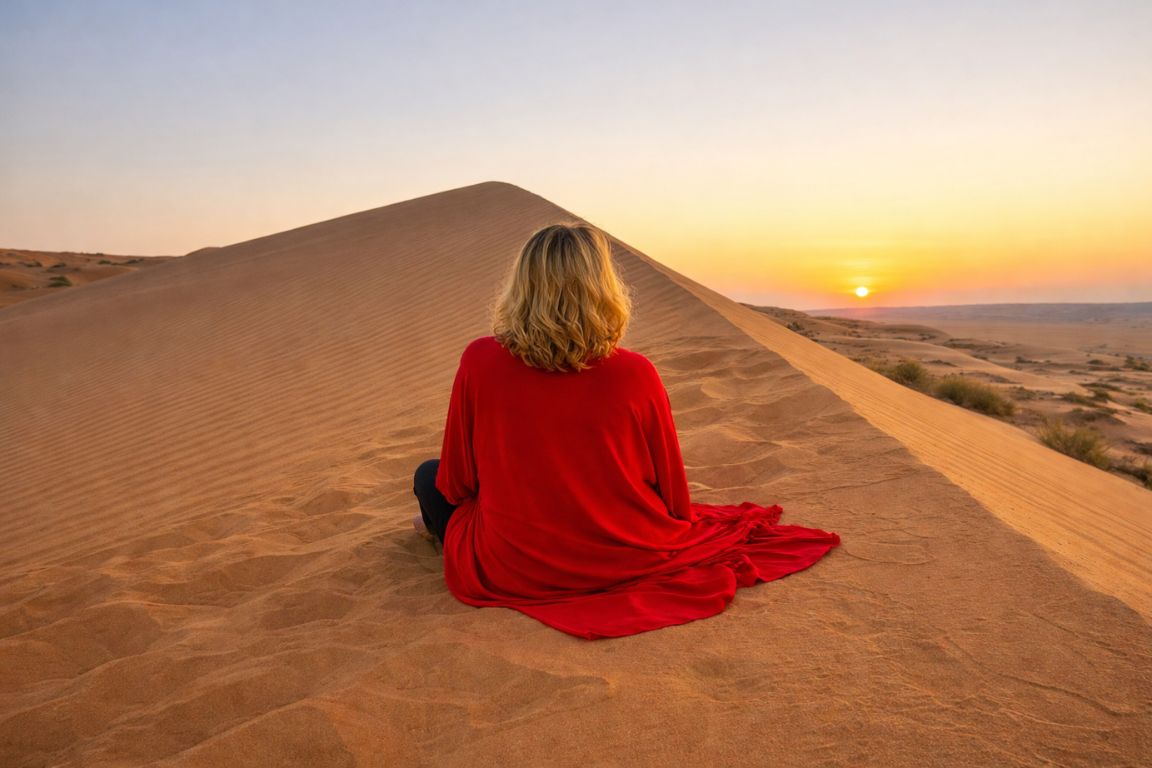 From a crime perspective, Oman is one of the safest countries in the world to camp. People leave cars unlocked with the engine running. Solo female campers report feeling entirely safe. The genuine risks in desert camping are environmental: extreme heat if you visit in the wrong season, getting a vehicle stuck without recovery equipment, flash floods in or near wadis, and the occasional scorpion or snake near vegetation. All of these risks are manageable with the right preparation.
The crime point is worth stating plainly because it surprises travelers coming from regions where wild camping involves real personal safety concerns. Oman consistently ranks among the lowest-crime countries in the world. The camping culture here includes Omanis actively approaching strangers’ camps to offer coffee, dates, and assistance. We have guided over 7,700 travelers and the worst encounters any of them have described from a camping perspective involve noisy neighbours and a camel raiding the food supplies at 3am.
The wildlife situation is more nuanced but still manageable. Scorpions exist in the Wahiba Sands, mostly near the edge of the desert where there is scrub vegetation and shade. Deep in the dunes, away from bushes and rocks, sightings are uncommon. Snakes are present but rarely encountered. The practical precautions are consistent across every experienced guide’s advice: shake out shoes and clothing before putting them on, check the underside of your tent before packing it away, and wear shoes around the camp at night rather than walking barefoot. Camels are common and harmless, though they will eat anything you leave accessible including, reportedly, toilet paper.
Flash flooding is the risk that gets underreported because it feels abstract until it happens. The desert can receive rainfall that never reaches your campsite but generates significant runoff through the dunes, especially in the valleys between dune ridges. Never camp in a wadi bed or the lowest point of a valley if there is any rain forecast within 50 kilometres. The water comes fast and with no warning. This applies more to mountain wadis than open dunes but is worth knowing regardless.
Going alone into the Wahiba Sands is the one absolute rule: don’t. If you have no second vehicle, use a guided overnight desert tour. Always travel with at least one other vehicle. If your car gets stuck 20 kilometres in without signal and without a second vehicle, you are looking at a very long walk in significant heat. The 2019 incident involving a French couple attempting a solo desert crossing is the starkest example, but our guides have seen much less dramatic versions of the same problem multiple times across twelve years of operating in this desert.
We’ve answered the question is Muscat safe for women with details on Omani culture, how solo female travelers are treated, and what precautions actually make sense versus unnecessary worry.
What Are the Best Desert Camping Spots in Oman?
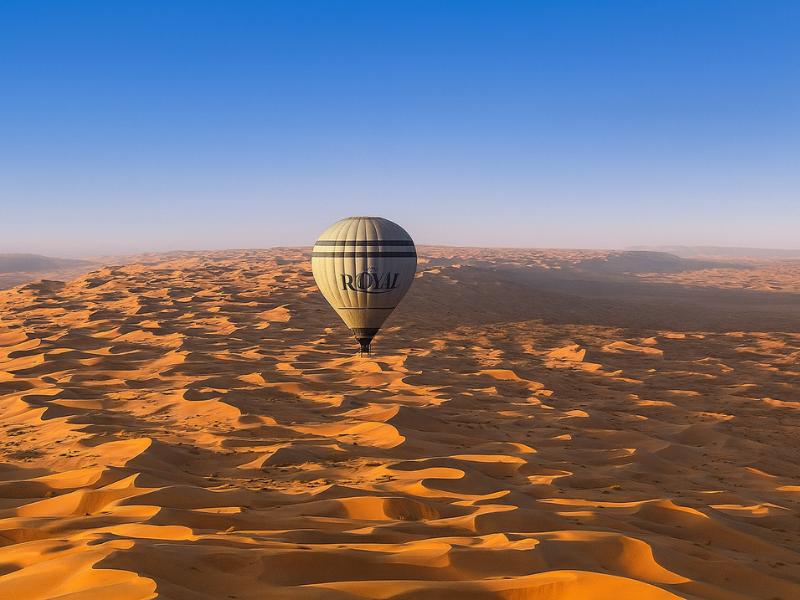
For most travellers, the western edge of the Wahiba Sands near Bidiyah is the right starting point. It’s close enough to road access for safety, far enough in for the true dune experience. Deep Wahiba interior camping (30-40 km in) is for experienced self-sufficient groups. The Sugar Dunes at Al Khaluf are the best option for travellers seeking genuine solitude and a coastal dune combination that exists almost nowhere else in the world.
The Wahiba Sands near Bidiyah and Al Wasil deserves its status as the main destination. The dunes here rise sharply off the valley floors, the compacted tracks allow you to scout for a good campsite without doing extreme off-roading, and the petrol stations at Bidiyah and Al Wasil plus the Lulu Hypermarket in Ibra mean you can stock up properly before entering. For a first desert camping experience in Oman, this is the sensible choice. The Friday and Saturday crowds are real (Omani families converge here on the weekend), so a Tuesday or Wednesday night delivers the quiet desert experience most visitors are after.
The deep Wahiba interior is a different category. About 30 to 40 kilometres from the nearest road, away from the camp cluster near Bidiyah, the desert becomes genuinely remote. Experienced guide and longtime Oman resident Claire Hall, who writes Oman Wanderlust, describes camping half an hour along the Bedouin road from Al Wasil into the dunes beyond the SAMA desert camp as delivering the real experience: sunset from a dune crest, absolute dark, and the complete absence of generator noise. This requires sand navigation confidence, proper recovery kit, convoy travel, and someone who has been there before.
The Sugar Dunes at Al Khaluf are the standout recommendation for travellers who want something the Wahiba cannot give them anymore. White dunes, not orange. Adjacent to the sea. No infrastructure. No other tourists. The dunes are softer and more challenging to drive but tyres don’t need to be fully deflated for the initial stretch, making them accessible without extreme off-road experience. The 15-kilometre beach track past the dunes is described by multiple experienced Oman campers as the most beautiful off-road stretch in the country. The litter problem on the beach at Al Khaluf is growing and worth noting as a practical reality. But inside the dunes themselves, it is clean and empty and entirely worth the five-hour drive from Muscat.
How Do You Get to an Oman Desert Camping Site?
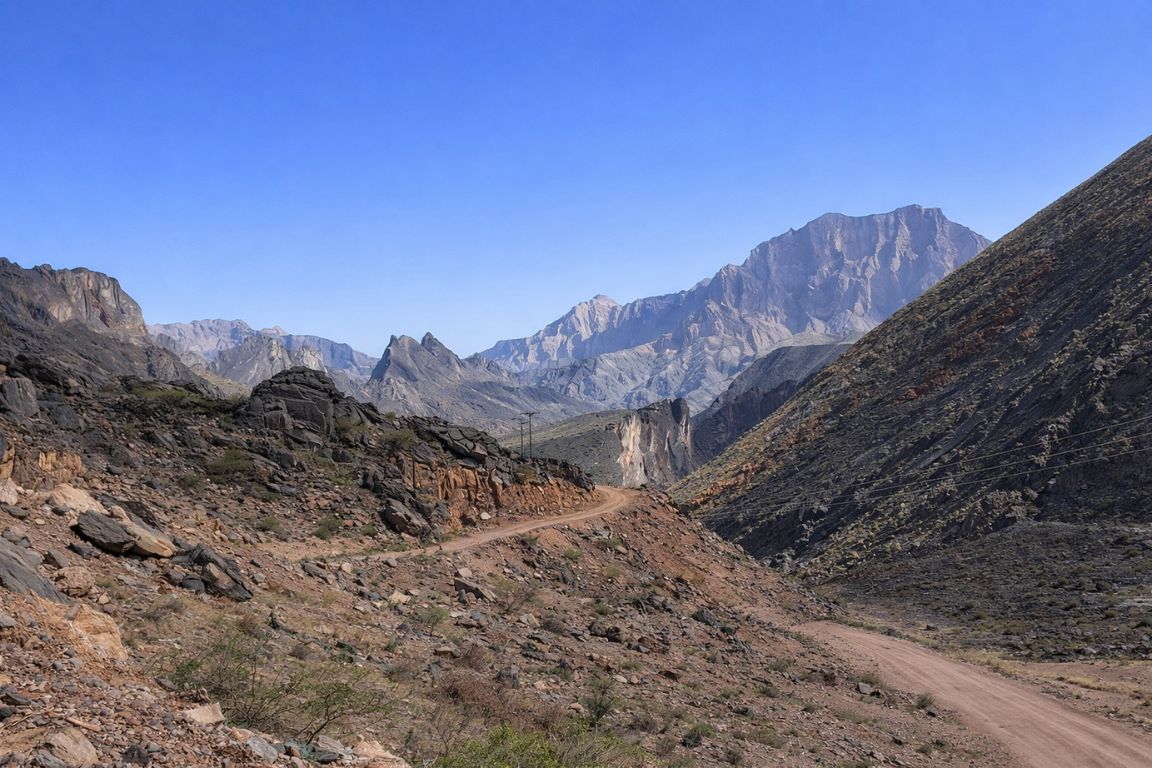 To reach the Wahiba Sands from Muscat, take Route 15 to Route 23 through the Hajar Mountains, descend to the plains at Ibra, and continue to Al Wasil or Bidiyah. Stop for fuel, food, and water at the Lulu Hypermarket in Ibra. Deflate your tyres at the petrol station in Bidiyah or Al Wasil before entering the sand. For the Sugar Dunes, take the coastal route south on Highway 32 to Al Khaluf, approximately 400 km and 5 hours from Muscat.
The drive to the Wahiba Sands is one of the more enjoyable parts of the trip in its own right. Route 23 cuts through the Hajar Mountains with two tunnels before dropping onto the plains at Ibra. If you are going in as a convoy, Ibra is the natural rendezvous and resupply point. The Lulu Hypermarket there is well stocked and the last reliable place for food, water, firewood, and basic camping supplies before the desert. The drive from Ibra to Bidiyah is about 20 minutes on flat tarmac, and the desert edge is immediately obvious when you arrive.
Tyre deflation is not optional. The standard desert driving setup deflates to around 15-20 PSI for soft sand. The petrol stations at both Bidiyah and Al Wasil can handle this, and many have the equipment to reinflate when you leave. If you are renting a 4WD with camping kit, the rental company will brief you on this before departure and often marks the deflation point on the map.
For travellers who don’t want to manage the driving themselves, camp transfers are available from the access towns. The fixed camps in the Wahiba Sands offer pickup from Al Wasil or Bidiyah, typically for 10 to 20 OMR per vehicle. This means you can arrive without a 4WD and still reach a camp several kilometres into the dunes. For wild camping, a private overnight desert tour can drive convoy and advise on campsite selection. Several Muscat-based 4WD rental operators include a GPS route briefing and WhatsApp support throughout the trip, which handles most navigation concerns.
Need to understand your transport options? Our Muscat transportation guide covers rental cars, airport transfers, taxis, and when you need 4WD for wadis and desert trips.
What Should You Know Before Your First Desert Camp in Oman?
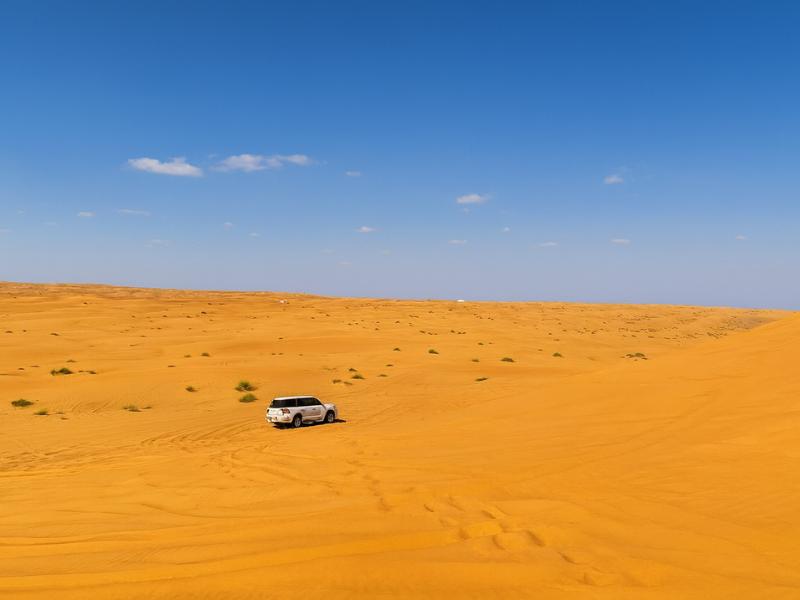
Six things that experienced desert campers in Oman consistently wish they’d known on the first trip: never go alone, bring far more water than you think you need, pack firewood from Muscat or Ibra, check your shoes every morning, set up camp well before dark, and the weekend desert is not the same as the weekday desert. Friday and Saturday in the Wahiba Sands near the road access points sound more like a car rally than a wilderness experience.
The water calculation is the one that genuinely matters for safety. In October, the desert can reach 35°C during the afternoon even in what locals consider a mild day. At that temperature, an adult doing moderate activity can lose a litre per hour. The standard advice of “bring plenty of water” needs to be made specific: four to five litres per person per day as a minimum, and more if the weather is warm. There is no water anywhere in the dunes. The nearest source is the petrol station at Bidiyah or Al Wasil. Running low is not a minor inconvenience in a desert with no signal.
Camp setup timing matters more than most first-timers expect. Finding a good spot on a dune, getting the vehicle oriented correctly, deflating any relevant tyres, setting up the tent with proper sand anchoring, and getting a fire going all take longer when you’re doing them for the first time. Arriving at the desert edge at 4pm in November gives you roughly two hours of usable daylight. That’s enough. Arriving at 5pm means setting up in fading light, which adds friction to every step. The standard advice from experienced Wahiba campers: leave Muscat by 7am to allow time at Wadi Bani Khalid en route, arrive at the desert by 2-3pm, find your spot by 4pm, and be ready to watch the sunset from the dunes rather than from the car park.
The fail points we see most often among groups heading out independently:
Choosing a campsite in the valley floor between dunes because it looks flat and sheltered. Valley floors are where the noise collects (other vehicles, ATVs, generators from nearby camps) and where surface water pools if there’s any rain. Go up. Even 30 metres of elevation puts you above the noise and on a surface that drains properly.
Assuming the wind stays manageable. Desert wind in the Wahiba picks up significantly at sunset and sunrise, both times when temperature gradients change fastest. If your tent is not staked properly before dark, you may spend time anchoring it in complete darkness while sand moves horizontally past your face. Sort the tent before you go explore the sunset.
Not closing the tent. This sounds obvious. Sand gets into everything left open within minutes of any wind. Cameras especially. See the equipment section above about dry bags.
First time visiting Oman? Here’s how to plan a trip to Oman Muscat tours so you don’t show up unprepared for the heat, the driving distances, or the mix of modern city and remote desert.
Frequently Asked Questions
Is wild camping legal in Oman?
Yes. Wild camping is legal on public land throughout Oman. No permit is required for standard overnight stays. The exceptions are private property, protected nature reserves (which are clearly signed), and specific beaches like Ras Al Jinz where turtle nesting is protected. The Muscat Governorate requires a permit and 100 OMR deposit for stays over 48 hours within its jurisdiction, but this rarely applies to desert camping which takes place well outside Muscat.
Do I need a guide for desert camping in Oman?
Not legally, but practically for the Wahiba Sands: yes, at least for your first time. The desert has no mobile signal, navigation is difficult, and getting stuck without a second vehicle and recovery kit is a serious situation. If you have 4WD experience and are travelling in a convoy of two or more vehicles with proper recovery gear, you can manage without a guide. Solo or first-time visitors should go with a guide or book a fixed camp with transfer service.
What happens if I get stuck in the sand?
With the right recovery kit: you use sand boards under the drive wheels, reduce tyre pressure further, switch off traction control, and accelerate gently. This usually resolves it within 20 minutes. Without recovery kit or a second vehicle, you are reliant on other campers passing by to help. In a remote part of the desert with no signal, this can take hours. This is why the solo rule and the recovery kit requirement exist.
Are there scorpions and snakes in the Oman desert?
Both exist, but encounters are uncommon, especially in the open dune areas away from vegetation. Scorpions shelter under rocks and bushes and in the cooler sand beneath tents. The practical precautions: shake out shoes, clothing, and bags every morning before use, check the underside of your tent before packing, wear shoes around camp at night, and pitch away from vegetation. Several years of regular desert camping in Oman without seeing a single scorpion is normal. The risk is real but manageable.
Can I have a campfire in the Oman desert?
Yes, campfires are generally permitted in the desert. Bring your own firewood from Muscat or the Lulu Hypermarket in Ibra, since there is no wood available in the dunes. About ten pieces is sufficient for a few hours. A fire also keeps most wildlife at a distance and significantly improves the camping experience on colder winter nights.
What is the best time of year for desert camping in Oman?
October through April. November to February are the best months: manageable day temperatures (22-30°C), cold enough nights for a proper fire and a sleeping bag, and the dune colours are best in clear winter light. June, July, and August are genuinely dangerous with temperatures exceeding 50°C in the afternoon. Do not camp in the desert in summer.
Written by Omar Jackson Al-Kalbani
Omani tour guide since 2013 · Founder, Oman Muscat Tours
Omar has guided over 7,700 travelers through Muscat, the wadis, and the deserts of Oman since founding the agency.
Choose the outing, then check your date
2 Days and 1 Night Private Wahiba Sands Desert Tour
Want the overnight without sourcing recovery and camp gear? Check scheduled departures before renting a separate 4WD setup.
2.0 days · Omani Tour Guide English Speaking; Dinner
Choose a date to view the published schedule checked 9 September 2026. Final availability and price are confirmed on Viator.
Compare options and match my plans
Wheelchair accessible; Infants and small children can ride in a pram or stroller; Public transportation options are available nearby; Specialized infant seats are available; Not recommended for travelers with poor cardiovascular health; Suitable for all physical fitness levels Extras: Lunch; Gratuities; Camel Ride - 3 OMR / 8 USD Per Person. Pickup: We Pick Up and Drop Off around Muscat Area All our clients
- 2 days and 1 night Private Tour in Wadi Shab to Wahiba Sands Desert · 2.0 days. 4WD Vehicle / Comfortable; Entry Fee for Wadi Shab Boat
- Full-Day Wahiba Desert and Wadi Bani Khalid Group Tour · 9.0 hours. Bottled water; During high-demand periods, transfer from Muscat may be provided by a bus instead of a 4x4 vehicle. Dune bashing in the desert still be conducted in 4x4 vehicles, ensuring a full desert experience.
- Hot Air Balloon Tour at Wahiba Sands · 2.0 hours. Bottled water; Snacks
Compare your group costs
Enter complete quotes in the same currency, including transport, tickets and extras. These are your estimates, not live prices.