Muscat Transportation Guide
Getting around Muscat? No metro or Uber - use taxis, Otaxi/OmanTaxi apps, buses, or rent a car. Here’s how to move around the city easily.
Last updated: April 12, 2026
Use the guide to choose how to move around Muscat. For the first trip from the airport, a private transfer offers an arrival-hall pickup and hotel drop-off. Explore the airport transfer ↗
Muscat Transportation Quick Facts
| Street Taxi | Quick trips, no app | 1.5 OMR base + 0.25/km | Some drivers skip the meter |
| Otaxi (app) | Budget rides in city | ~20-30% cheaper than street | Cannot pick up at airport or malls |
| OmanTaxi (app) | Airport, 4-5 star hotels | Ministry-regulated rates | Slightly higher than Otaxi |
| Mwasalat Bus | Budget travel, main routes | 200-500 baisa in city; 1 OMR airport | Cash only; poor signage |
| Car Rental | Day trips, full Oman | ~15-20 OMR/day (compact) | Credit card required; 200km/day caps |
| Airport Taxi | Arriving with luggage | ~9.25 OMR average to city | Pricier than in-city fares |
Prices verified March 2026. OMR = Omani Rial. 1 OMR ≈ $2.60 USD.
How Do You Get Around Muscat?
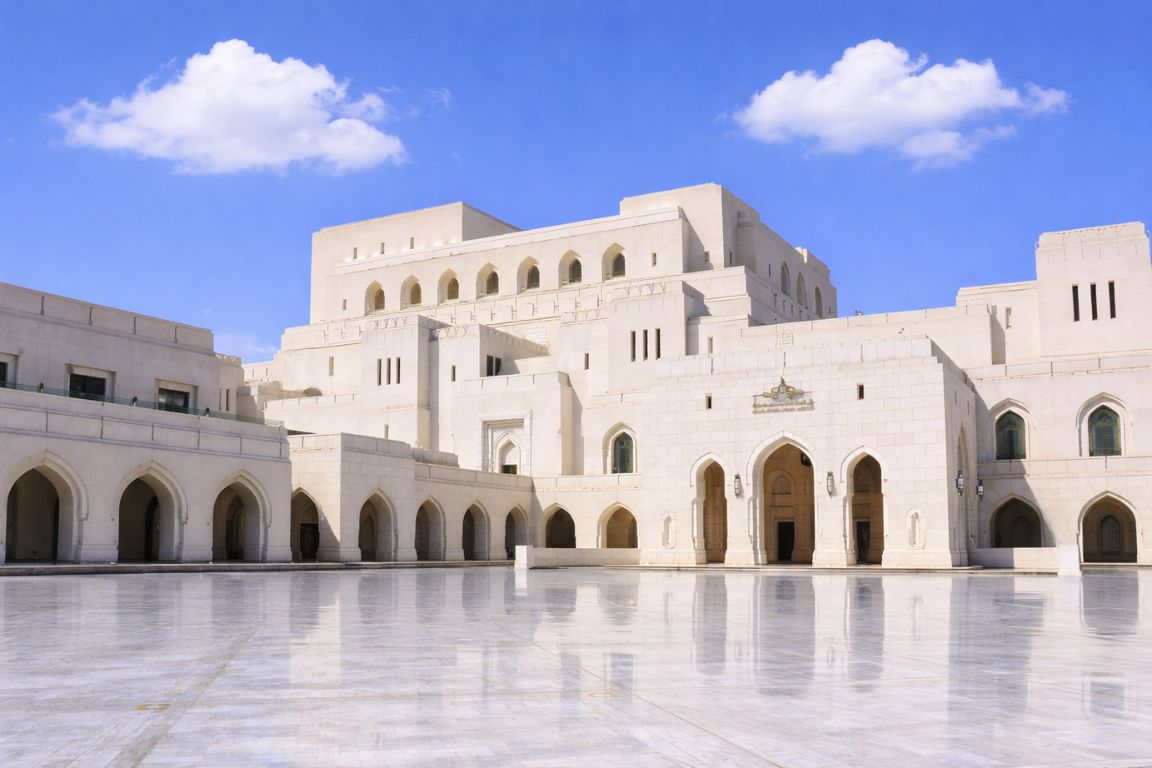 Muscat has no metro, no tram, and no passenger train. Your options are taxis (flag one down or book via app), Mwasalat public buses, or renting a car. For most visitors, a mix of ride-hailing apps inside the city and a rental car for day trips is the practical answer. Uber and Careem do not operate here.
The first thing that surprises people about Muscat is how spread out it is. The city runs roughly 50 kilometers along the coast from Qurum to Seeb in a long, narrow corridor wedged between the Gulf of Oman and the Hajar Mountains. There is no city center in the London or Bangkok sense of the phrase. What exists are clusters: the old port neighborhood of Mutrah with its famous souq, Shatti Al Qurum with the mid-range hotels and restaurants, Muscat proper with the Grand Mosque and the Royal Opera House, and then the airport area further west. Getting between them requires transportation every time.
Walking between neighborhoods is not realistic. The distances are too large and the pavements are too patchy. This is a city designed around the car, and transport planning for your trip should start with accepting that.
Need help with logistics? Check out our breakdown on how to plan a trip to Oman Muscat tours – from choosing between rental cars and guided tours to timing around the brutal summer heat.
How Do Taxis Work in Muscat?
 Official Muscat taxis are white and orange, exclusively driven by Omani nationals, and legally required to use a digital taximeter called “Aber.” The base fare is 1.5 OMR with a rate of 0.25 OMR per kilometer. If a driver refuses to start the meter, the fare is theoretically not owed, though in practice the situation varies.
You will see them everywhere: parked outside hotels, lined up at shopping malls, waiting near the Grand Mosque, idling at Mutrah Corniche. Hailing one on the street is straightforward. The taxi profession in Oman is reserved exclusively for Omani citizens, which means most drivers have a genuine stake in maintaining their reputation.
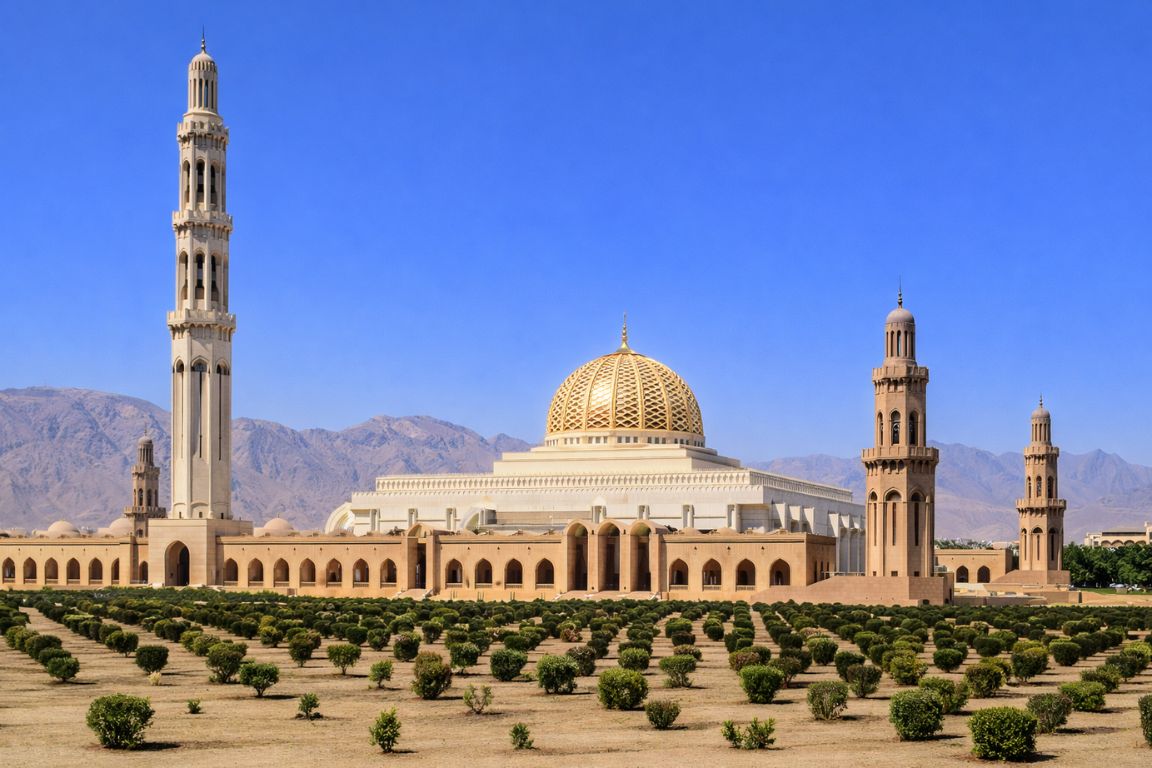
Curious about visiting Muscat’s architectural masterpiece? Here’s our complete Sultan Qaboos Grand Mosque guide covering what to wear, when to go, and what makes this one of the world’s most impressive mosques.
The metering situation is worth knowing before you get in. The official app is called “Aber,” and all taxis are supposed to activate it at the start of every ride. In practice, some drivers in Muscat still try the old negotiation approach, especially with tourists who look unfamiliar with the system. The Ministry of Transport, Communications and Information Technology maintains firm regulation here. As of October 2025, the ministry publicly cautioned all ride-hailing operators that unauthorized fare changes violate Ministerial Decision No. 195/2018 and will result in legal action. If a driver quotes you a flat price before touching the meter, politely ask him to start it. Most will comply without argument.
Tipping is not expected. If the service was good, rounding up the fare is appreciated but never assumed. Having your destination written in Arabic on your phone helps considerably, since not all drivers speak confident English.
What Are the Best Ride-Hailing Apps in Muscat?
 The main apps to know are Otaxi (cheapest for city rides, cannot pick up at airports or malls), OmanTaxi (official government-licensed app, authorized for airport and 4 and 5 star hotels), and Mwasalat (government-owned, metered, widely trusted). Uber and Careem do not operate in Muscat. Download at least two apps before arriving.
Otaxi is what most residents and repeat visitors use for everyday movement around the city. It works like any ride-hailing app, with upfront pricing, driver tracking, and in-app payment options. The fares tend to be noticeably cheaper than flagging a street taxi, partly because the competitive app market keeps prices honest. One hard limit: Otaxi cannot pick you up at Muscat International Airport, major shopping malls, or designated hotel forecourts. Those zones are restricted to Mwasalat taxis by regulation. This catches a lot of first-timers by surprise when they land and try to order a ride.
OmanTaxi (also called Ubar) is the app to have specifically for the airport and your hotel. It is licensed by the Ministry of Transport and explicitly permitted for airport pickups and 4 and 5 star hotel locations. It also has some useful features beyond the basics: multi-stop trips, booking for someone else, real-time trip sharing. The fares run slightly higher than Otaxi but are fully regulated.
Other apps in the market include Mwasalat’s own app (the government bus company’s taxi service, metered and reliable), Yango, Marhaba, TaxiF, and the newer Taxi Muscat app. Coverage and driver availability vary outside central Muscat. For most visitors, Otaxi plus OmanTaxi covers everything.
One more note: some apps in Oman require an Omani phone number to register. If you are relying entirely on a foreign SIM, test the apps in advance or ask your hotel to call a taxi on your behalf.
Sorting out transport for a full Oman trip takes longer than most people expect. If you would rather book the driving as part of a day, a private half-day Muscat tour covers the main landmarks in four hours, and longer desert tours cover multi-day routes from the city.
Is Driving in Muscat a Good Idea?
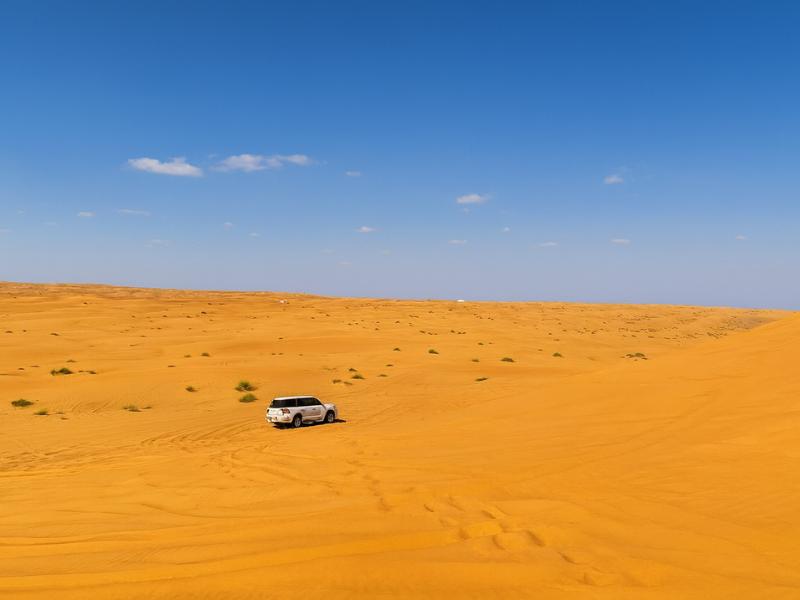
For Muscat itself, a car is convenient but not essential. For anything outside the city, including Wadi Shab, Nizwa, Jebel Akhdar, or the Wahiba Sands, a rental car is close to mandatory. A 2WD compact is fine for Muscat and main highways. A 4WD is required for mountain tracks and desert driving.
The roads in Muscat are genuinely good. Well-maintained highways with clear English signage, cheap fuel at around 0.239 OMR per liter (roughly $0.62 USD), and aside from the two daily rush hours, mostly fluid traffic. Driving is on the right, same as most of Europe and North America. Speed limits are 40 to 60 kph in urban areas, up to 120 kph on highways. Speed cameras are everywhere and strictly enforced. Running a red light carries a fine that sits around 1,300 USD. That number alone tends to make people cautious at intersections.
The painful part of driving in Muscat is rush hour around Mutrah Souq and the old quarter. Between 7 and 9am and again from 4 to 7pm, that stretch can double your travel time. If you are visiting Mutrah Corniche or the fish market, aim for a midmorning arrival. Parking near the souq at peak times is a genuine headache, though most hotels, malls, and tourist sites have free lots.
Navigation is another adjustment. Google Maps is frequently wrong in Muscat, pointing drivers at blocked roads or using outdated routing. Waze is the consistent recommendation from both expats and regular visitors. Download it before you land.
For the rental itself: minimum age is typically 21, though some companies require 23 to 25. A credit card is required at almost every company, not just for the deposit but sometimes for the booking itself. Debit cards occasionally work but it involves negotiation and is not guaranteed. Many rentals cap you at 200 kilometers per day, which catches road-trippers off guard when day trips to Wadi Shab and back push 250 to 300 km round trip. Check the mileage terms before signing.
Curious about nearby options? Here are the best day trips from Oman Muscat tours – what’s worth the drive, what requires 4WD, and which ones work best with a guide versus going solo.
What Is the Bus System Like in Muscat?
 Mwasalat operates Muscat’s bus network with fares starting at 200 baisa per zone. The routes cover major attractions, residential areas, and the airport. Buses run on a schedule but are not frequent by most city standards. Cash only, paid directly to the driver. No all-day passes.
The honest truth about the Muscat bus system: it exists, it works, and it will get you where you need to go if you have time and patience. It will not get you anywhere quickly and is not designed around tourist priorities. That said, for budget travelers or anyone staying near a major bus route, it is a perfectly viable way to see the city without spending on taxis for every trip.
Fares are simple. One zone costs 200 baisa. Two zones cost 300 baisa. Three zones cost 500 baisa. Airport routes run around 1 OMR. You pay the driver in cash when you board, report your destination, and get a ticket. There are no day passes and no tap-card system yet.
The main drawback is coverage outside the central routes. Bus stops do not always have clear markings and the signage in the network is patchy. Schedules are published on mwasalat.om, but the reality on the ground sometimes differs from the timetable. For core routes between Ruwi, Shatti Al Qurum, Al Khuwair, and the airport, frequency is reasonable. For anything less central, you are looking at long waits.
Overwhelmed by tour choices? Check out our breakdown of the best Oman Muscat city tours – it cuts through the marketing hype and shows you what each one really delivers.
Muscat Ride-Hailing App Comparison
| Otaxi | No | No | Lowest in city | Everyday city rides |
| OmanTaxi (Ubar) | Yes | Yes (4-5 star) | Ministry regulated | Airport, hotel pickup |
| Mwasalat App | Yes | Yes | Metered, government | Reliability-focused travelers |
| Yango | Varies | Varies | Competitive | Backup option |
| Uber / Careem | Not available | Not available | N/A | Does not operate in Muscat |
App availability verified March 2026.
How Do You Get from Muscat Airport to the City?
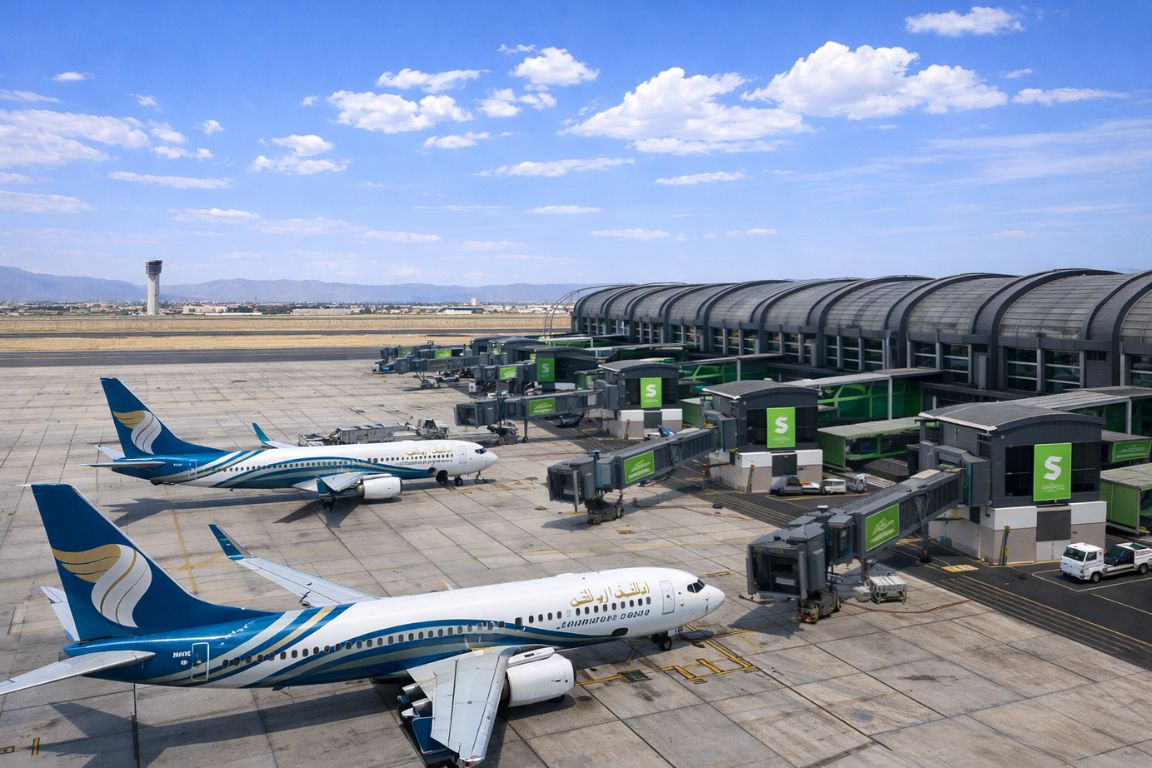
Three main options: official airport taxi (around 9.25 OMR average to city center, 25 to 40 minutes), the A1 Mwasalat bus (1 OMR, 45 minutes to Ruwi Bus Station, runs every 30 minutes), or a pre-booked private transfer. Otaxi cannot pick up at the airport. Use OmanTaxi app or queue at the official taxi rank outside Arrivals.
The airport sits roughly 31 to 32 kilometers from the older parts of Muscat like Mutrah and Qurum. On a clear run that is 25 minutes. During the morning rush, add another 20 minutes at minimum.
The official taxi rank is directly outside the Arrivals hall, hard to miss. Fares are digitally metered: 1.5 OMR base fare plus 0.25 OMR per kilometer. The average trip to the central hotel districts runs around 9.25 OMR for a standard sedan carrying up to four passengers. Tipping is not expected but always appreciated. The meter app should be running from the moment you set off.
For the bus, the stop is on the ground floor, roughly 200 meters from the arrivals exit. The signage inside the terminal getting there is not great, something multiple travelers notice and complain about. After clearing arrivals, turn right and take the escalator or elevator down to the ground floor. Bus A1 runs every 30 minutes and terminates at Ruwi Bus Station, where you can connect to routes covering most of the city. Route 8 is an alternative that heads toward Al Khuwair in the city center. Both cost 1 OMR, paid in cash to the driver. No change guaranteed, so have small bills ready.
One thing worth knowing: if you booked a ride through Otaxi and plan to be picked up at the airport, it will not work. Otaxi is not licensed for airport pickups. Open OmanTaxi instead, or queue for the official metered taxis outside the terminal. This is a common point of confusion for first-time visitors and causes genuine frustration when people are standing in the heat with luggage trying to figure out why their request is not going through.
What Is the Best Way to Get Around Muscat Without a Car?
 A combination of Otaxi for everyday city rides and OmanTaxi for airport and hotel pickups covers most visitor needs. The Mwasalat bus works for budget travel between major areas. Walking between Muscat’s neighborhoods is not practical. For anyone planning day trips to wadis or the desert, renting a car for those specific days is the most efficient approach.
The honest framing: Muscat is not a walking city. It never will be. The layout is too linear, the distances too long, and the heat for most of the year too severe. Fighting this is not worth the energy. Accept that every move between neighborhoods costs money and time, then plan accordingly.
Within a single area, though, things are more manageable. Walking along Mutrah Corniche at sunset is one of the genuinely pleasant things you can do in Muscat. The stretch from the fish market to the souq entrance is walkable in 20 minutes and worth every step. The Qurum beach promenade works the same way. Within zones, walking makes sense. Between them, take an app.
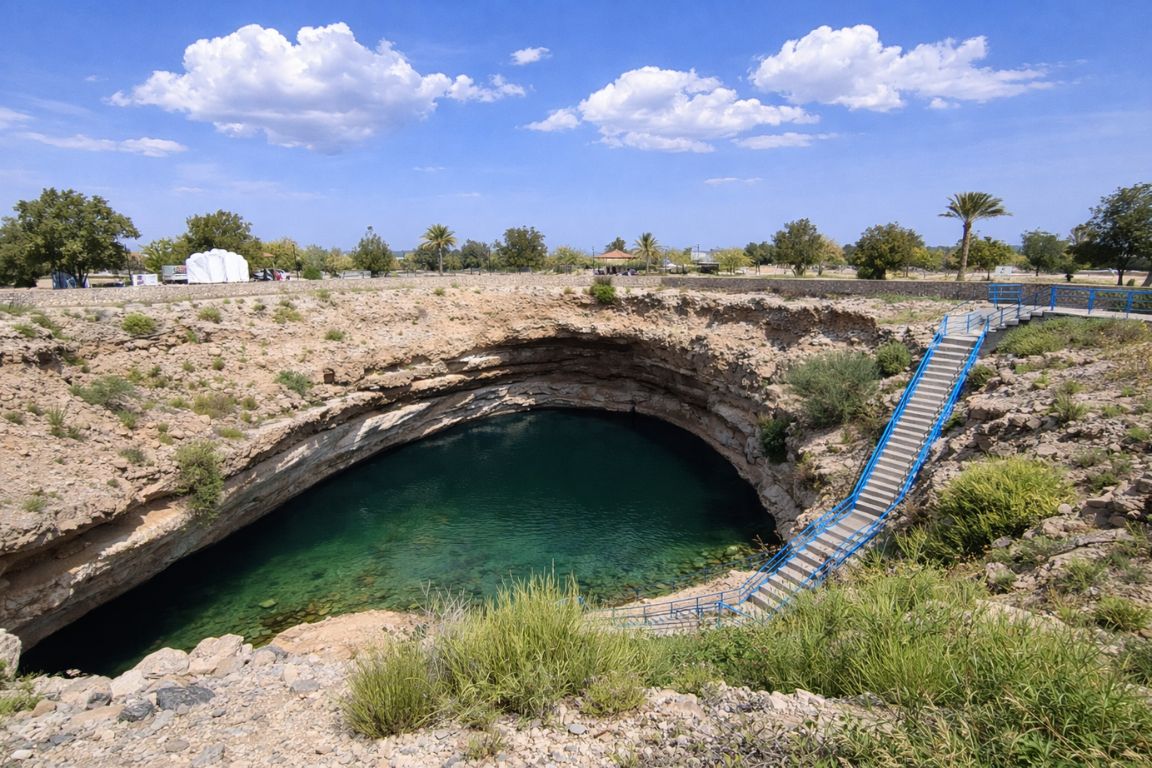
The practical stack for a visitor who wants to skip car rental: download Otaxi and OmanTaxi before landing. Use OmanTaxi from the airport to your hotel. Switch to Otaxi for everything else in the city. Use the A1 bus if you are budget-focused and heading toward Ruwi or the central areas. Take a Wadi Shab and Bimmah Sinkhole group tour or another organized day trip for anything beyond the city limits, since public transport to wadis, deserts, and mountain villages is either infrequent, complicated, or nonexistent.
What Our Travelers Actually Used to Get Around Muscat
After running 7,700+ travelers through Muscat since 2013, we have a clear picture of what works and what creates friction. The table below reflects patterns from our recent client groups.
| Ride-hailing app (Otaxi/OmanTaxi) | 70-85% | 4.5-4.8/5 | App not set up before arrival |
| Private tour transfers | 60-75% | 4.8-5.0/5 | None reported |
| Rental car (day trips) | 30-45% | 4.2-4.6/5 | Kilometer cap exceeded |
| Street taxi (negotiated) | 40-55% | 3.0-3.8/5 | Fare dispute from no meter |
| Mwasalat bus | 10-25% | 2.8-3.5/5 | Finding the bus stop |
What Trips People Up with Muscat Transportation
 We have watched the same frustrations repeat themselves across thousands of client trips. These are the ones worth knowing before you arrive.
Trying to use Otaxi at the airport. It will not work. Otaxi is not licensed for airport pickup. The app will time out or give you an error. Walk to the official taxi rank or use OmanTaxi instead. This confuses people every single week.
Getting a street taxi driver who skips the meter. If the driver opens the door and immediately quotes a flat price without touching the Aber app, you are dealing with informal pricing. Politely ask for the meter. If he refuses, you are within your rights to decline the ride and take the next cab. Most will comply when asked directly.
Renting a car on a debit card. It is technically possible with some companies but it involves real friction and is not guaranteed. If your trip involves a rental, sort out a credit card before you leave home. The deposit is usually 30 to 50 OMR on top of the rental cost, returned after the car comes back clean.
Trusting Google Maps. The routing in Muscat is frequently wrong, takes you on unnecessary detours, or leads you to roads that do not exist. Waze is what the locals use. Download it. Leave Google Maps for looking up addresses and copying them into Waze.
Not accounting for rush hour around Mutrah. The stretch around Mutrah Souq and the corniche between 7 and 9am and 4 to 7pm is genuinely heavy. If your itinerary puts you crossing the city at those times, add 20 to 30 minutes. If you are specifically heading to Mutrah, morning before 9 or after 7pm is the move.
Not checking the kilometer cap on the rental. Most Muscat rental cars come with a 200km per day limit. A day trip to Wadi Shab and the Bimmah Sinkhole can hit 250 to 300 km round trip. Exceeding the cap costs extra per kilometer and the charge shows up later. Ask about unlimited mileage options before you sign, or budget for the overage.
Frequently Asked Questions
Is Uber available in Muscat?
No. Uber does not operate in Muscat or anywhere in Oman. Careem is also not available. The main alternatives are Otaxi (for city rides), OmanTaxi (for airport and hotel pickups), and Mwasalat. Both Otaxi and OmanTaxi function like ride-hailing apps with upfront pricing and driver tracking.
How much does a taxi cost in Muscat?
Official metered taxis start at a base fare of 1.5 OMR with a rate of 0.25 OMR per kilometer. A typical city ride between neighborhoods runs 3 to 6 OMR. The airport to city center averages around 9.25 OMR. App-based rides through Otaxi tend to run 20 to 30 percent cheaper than street taxis for the same routes.
Can I walk between areas in Muscat?
Within a single area, yes. Along Mutrah Corniche or around Shatti Al Qurum, walking is pleasant. Between neighborhoods, no. Muscat runs 50 kilometers along the coast and the distances between major areas are too large to walk, especially in the heat. Transportation between neighborhoods is always needed.
Do I need a 4WD car in Muscat?
Not for Muscat itself. A standard 2WD compact car is fine for the city and main highways. A 4WD becomes necessary for specific destinations outside the city: Jebel Akhdar, the Wahiba Sands, and mountain tracks. If your trip includes any of those, upgrade to 4WD for those days or book the Nizwa and Jebel Akhdar day trip, which includes transport from Muscat.
How do I get from Muscat Airport to the city without a taxi?
Take the A1 Mwasalat bus. The stop is on the ground floor of the terminal, around 200 meters from the arrivals exit. The bus costs 1 OMR, runs every 30 minutes, and takes about 45 minutes to reach Ruwi Bus Station. Pay in cash to the driver when you board.
Does Muscat have a metro or train?
No. There is no metro, tram, or urban rail in Muscat. The Hafeet Rail project connects Sohar Port to Abu Dhabi and is contracted for construction as of 2025, but it is not an urban Muscat transit line. The city’s public transit relies entirely on the Mwasalat bus network and taxis.
Transport in Muscat has more moving parts than most travelers expect. Questions before you commit to a plan? A budget-friendly Muscat city experience is a four-hour way to see the city with transport included.
Written by Omar Jackson Al-Kalbani
Omani tour guide since 2013 · Founder, Oman Muscat Tours
Omar has guided over 7,700 travelers through Muscat, the wadis, and the deserts of Oman since founding the agency.
Choose the outing, then check your date
Muscat: Airport Private Transfer to/from all Muscat Hotels
Settle the airport leg before you travel: choose the correct transfer direction and confirm the hotel drop-off on the booking page.
0.5 hours · Private transportation; Bottled water
Choose a date to view the published schedule checked 9 September 2026. Final availability and price are confirmed on Viator.
Compare options and match my plans
Public transportation options are available nearby; Infants are required to sit on an adult’s lap; Not recommended for travelers with spinal injuries; Suitable for all physical fitness levels Extras: All Fees and Taxes. Pickup: Welcome to Muscat Oman. At Airport: Our drivers will meet you at the arrival hall with a sign board of your name. You also can contact us for further information via our WhatsAapp. At Hotels/ resorts any spot: our driver will meet you at the lobby of your hotel and take you directly to your next destination either airport or any specified destination.
- Half-Day Private Muscat City Tour - Top Landmarks in Just 4 Hours · 4.0 hours. Bottled water; Omani Tour Guide English Speaking
Compare your group costs
Enter complete quotes in the same currency, including transport, tickets and extras. These are your estimates, not live prices.