Is Muscat Safe for Women?
Is Muscat safe for solo women? Yes, very safe with low crime. Dress modestly, use app taxis, and plan around a car-dependent city.
Last updated: April 12, 2026
Muscat is presented here as a destination women can explore independently. If you would rather remove first-day transport planning, a private four-hour orientation includes pickup and the main landmarks; it is a convenience choice, not a safety requirement. See The Private Muscat Orientation ↗
Women’s Safety in Muscat: Quick Reference
| Overall Safety | Very high. Muscat is top 10 safest cities globally (Numbeo 2024). Oman ranked 37th on 2024 Global Peace Index. |
| Street Harassment | Rare. Catcalling is prohibited by law in Oman. Occasional staring from some expat workers reported. |
| Solo Female Travel | Widely reported as safe. Most solo women describe Muscat as one of the safest cities they’ve visited. |
| Dress Code (Public) | Cover shoulders and knees. No headscarf required outside mosques. Loose-fitting clothing preferred. |
| Dress Code (Mosque) | Full cover required: wrists, ankles, hair. Abaya/headscarf rental available at mosque entrance (~2.5 OMR). |
| Beach/Pool Attire | Swimwear fine at hotel pools and private resort beaches. Public beaches: cover up with shorts and t-shirt. |
| Driving | Women can and do drive freely in Oman. Roads are excellent, signs in English, no issues reported by solo female drivers. |
| Best Transport | App taxis (Otaxi, Mwasalat app) safer and cheaper than street hails. Uber/Careem not available. |
| Walkability | Muscat is not walkable. Mutrah Corniche and Shatti Al Qurum beach area are the main exceptions. Plan transport. |
| Night Safety | High. 85% of residents and visitors report feeling fully safe at night (Muscat safety survey 2024). |
| LGBTQi+ Note | Same-sex relations are illegal in Oman. Public displays of affection (any couple) are discouraged. |
Is Muscat Safe for Women Travelers?
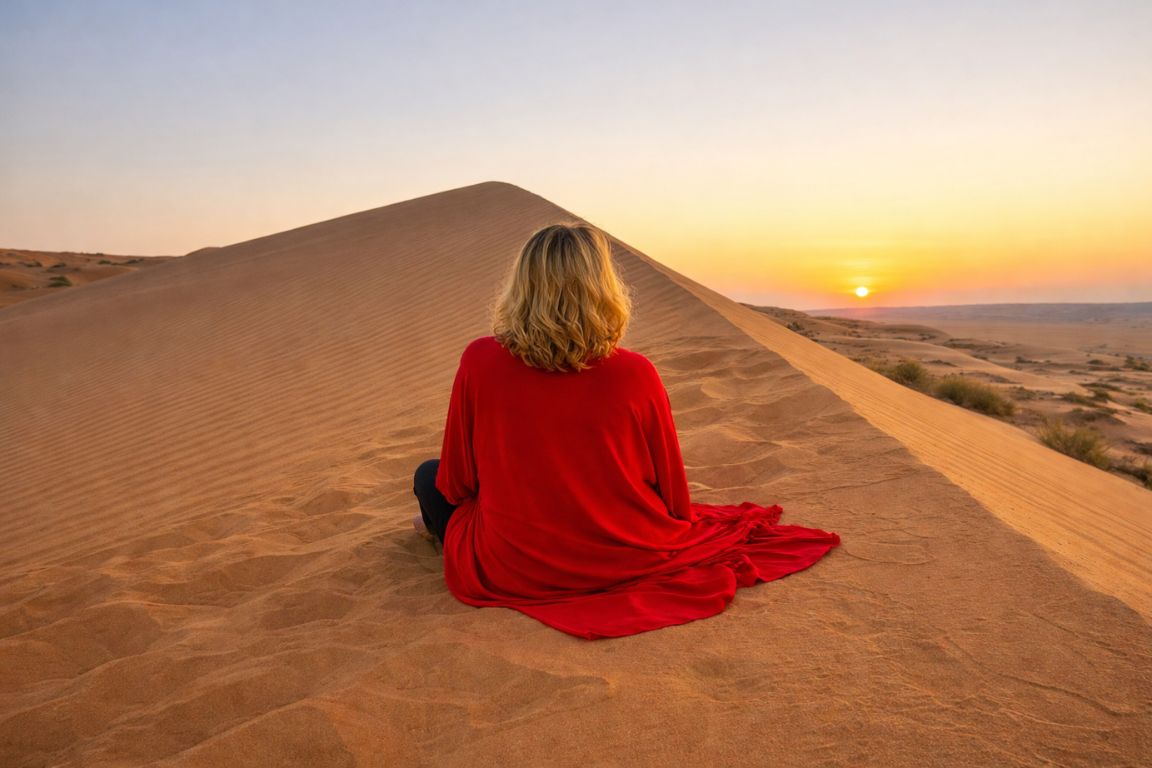 Yes. Muscat is one of the safest cities in the world for women travelers, including those traveling solo. Oman ranked 37th on the 2024 Global Peace Index and 3rd in the MENA region. The Numbeo Crime Index consistently places Muscat in the top ten safest cities globally. Violent crime against tourists is extremely rare, harassment is legally prohibited, and the cultural framework of Omani society places strong emphasis on respect for women.
The question comes from a reasonable place. The Middle East as a region carries reputational baggage that does not apply uniformly to every country within it, and Oman, for all its genuinely distinctive qualities, does not always get separated from the broader perception. So let’s be direct: women who visit Muscat almost universally describe feeling safer there than in European or North American cities they know well. That is not marketing. It appears across solo travel blogs, Reddit travel forums, TripAdvisor questions, and in conversations our guides have with travelers every week.
The numbers support it. Oman’s intentional homicide rate sat at 0.31 per 100,000 people in 2020, among the lowest recorded globally. The TravelLadies platform, which aggregates women-only safety ratings, gives Oman an overall safety score of 4.6 out of 5, ranking it the 10th safest country in the world for women. Muscat specifically scores 4.2 out of 5 for solo female travelers. On harassment specifically, the platform scores Oman 1 out of 5 for sexual harassment risk, meaning reported incidence is very low.
There are a few things to hold in realistic perspective. Oman is a Muslim-majority conservative society. Some behaviors that would be unremarkable in a European city are either socially frowned upon or legally restricted here. Public displays of affection are discouraged. Dress that would be normal at a beach resort draws attention in souqs and residential areas. Same-sex relationships are illegal. These are real considerations that affect how a woman experiences the city, particularly if she is traveling with a partner or navigating cultural norms for the first time. They do not make Muscat unsafe. They make it different, and knowing the difference matters.
What Should Women Wear in Muscat?
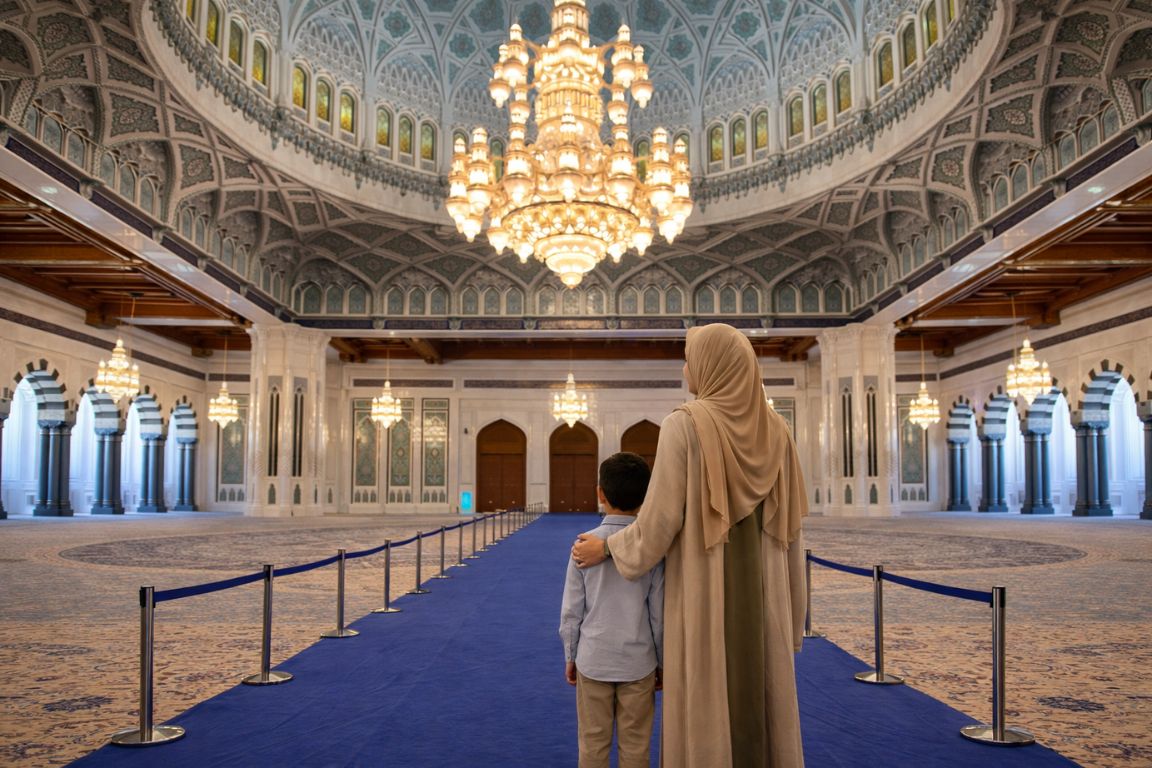 In public spaces: cover shoulders and knees. Loose-fitting clothing is preferred over tight or sheer. No headscarf is required outside of mosques. At hotel pools and private resort beaches, standard swimwear is fine. On public beaches: shorts and a t-shirt over your swimwear shows appropriate respect. In rural areas and smaller towns outside Muscat, err more conservative than you would in the city.
Muscat is more relaxed about foreign women’s dress than smaller Omani towns. It has a large expat population (roughly 40% of Oman’s residents are foreign nationals), and locals are accustomed to seeing international visitors dressed in ways that differ from local norms. You will not be arrested for wearing a sleeveless top in Muscat city. You may receive looks, particularly in non-tourist areas. In practice, dressing to cover shoulders and knees is comfortable, culturally respectful, and, in the heat, often more practical than it sounds.
The pragmatic packing approach that works for most women visiting Muscat: lightweight linen or cotton trousers, loose midi skirts, breathable long-sleeved tops, and one or two items that can double as a beach cover-up and a souq-appropriate layer. A lightweight scarf is worth carrying always. It serves as sun protection, can be draped over shoulders if needed, and is the difference between sailing through the Grand Mosque entrance and being redirected to the rental counter.
The mosque dress code is the strictest you will encounter in Muscat and is non-negotiable. Full-length sleeves to the wrist, ankle-length trousers or skirt, headscarf covering all hair. If you arrive underprepared, abaya and headscarf rental is available at the entrance for approximately 2.5 OMR. It is easier to sort this at your hotel before you leave.
We’ve created a detailed Oman dress code guide because understanding what’s culturally appropriate saves you from being turned away from mosques or attracting unwanted attention in conservative areas.
| Public streets, souqs, markets | Shoulders and knees covered, loose-fitting | Short skirt with leggings acceptable in Muscat city. More conservative outside the capital. |
| Restaurants and malls | Smart casual. Knee-length dresses fine. | International restaurants and upscale areas like Shatti Al Qurum are more relaxed. |
| Sultan Qaboos Grand Mosque | Full sleeves to wrist, ankle-length, headscarf covering all hair | Strictly enforced. Rental available at entrance (~2.5 OMR). |
| Hotel pool / private resort beach | Swimwear fine | Bikinis and one-pieces both accepted. Cover up when leaving the pool area. |
| Public beaches | Shorts and t-shirt over swimwear | Qurum Beach and similar public beaches: modest is respectful and reduces unwanted attention. |
| Wadis and nature areas | Modest swimwear, cover up when not swimming | Local families often present. Rash guard and shorts is the standard comfortable option. |
| Rural Oman / small towns | More conservative than Muscat. 3/4 sleeves or longer, loose trousers. | Outside the capital, community norms are more traditional. Dress accordingly. |
Is Muscat Safe for Solo Female Travelers?
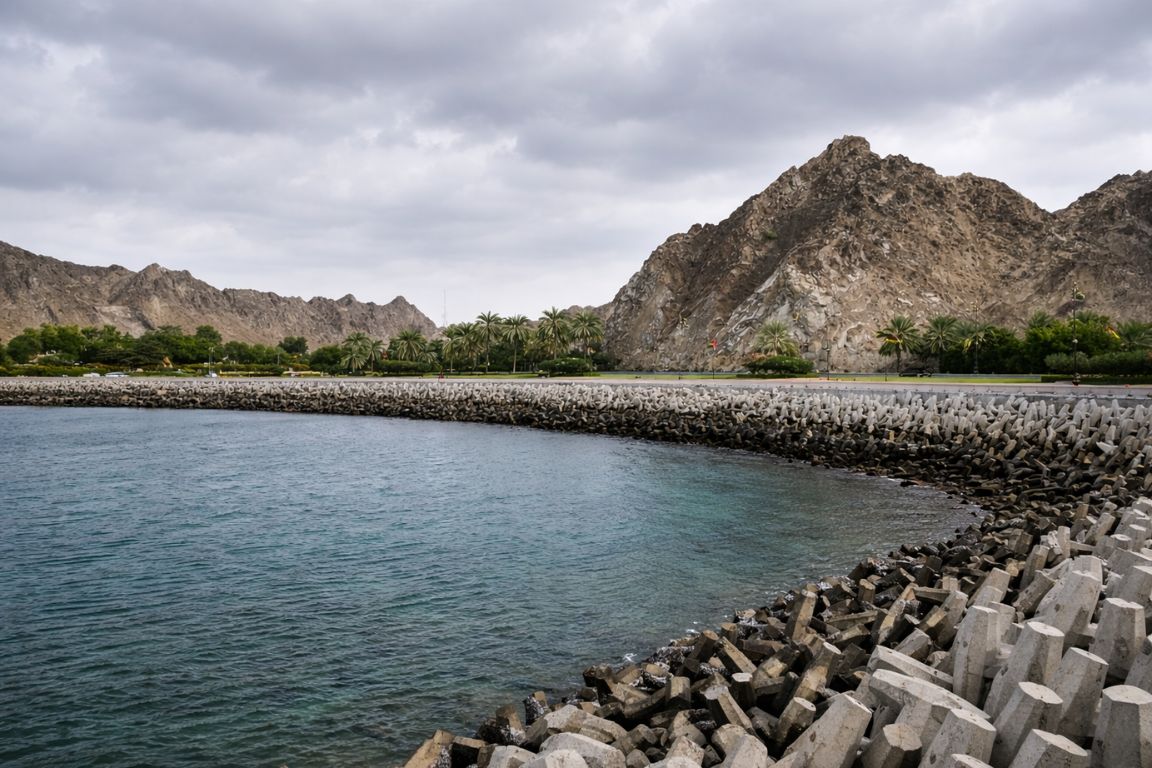 Yes, consistently and specifically. Solo female travelers report fewer safety concerns in Muscat than in most European or North American cities. Crime is low, harassment is rare and legally prohibited, and locals often actively assist solo women travelers. The practical challenges for solo female visitors in Muscat are logistical, not safety-related: the city is hard to navigate without a car, public transport is limited, and some social spaces skew male-dominated in ways that can feel isolating.
The pattern across hundreds of solo female traveler accounts is consistent. Women walk Mutrah Corniche at sunset, eat alone in local restaurants, take taxis at night, and explore the Grand Mosque in the morning with the same ease they’d feel in a low-crime European city. Street harassment is genuinely uncommon. Catcalling is not just socially discouraged in Oman, it is prohibited by law, and the Royal Oman Police take complaints from women seriously. One account from a woman who had been followed (without any physical confrontation) noted that if such behaviour is reported to police and the person doesn’t stop when asked, the legal consequences for the harasser are real.
The one nuance that appears consistently in honest accounts: some male workers from South Asian countries, a significant part of Oman’s labour force, do stare at foreign women in ways that are uncomfortable even when not threatening. This is not a safety issue. It is a social friction that wears differently on different travelers. Dressing modestly reduces it significantly. It does not eliminate it entirely.
Solo female travelers also note that Muscat, like most Gulf cities, is designed around car ownership. Walking is genuinely difficult in most of the city. Pavements disappear, roads are wide and fast-moving, and distances between attractions are large. The Mutrah Corniche, the waterfront in Shatti Al Qurum, and parts of the Qurum area are the main exceptions. For a solo traveler without a car, this means relying on taxis or app-based rides more than in pedestrian-friendly cities, which adds to cost and requires some planning but is not a safety issue.
What Areas of Muscat Are Safest for Women?
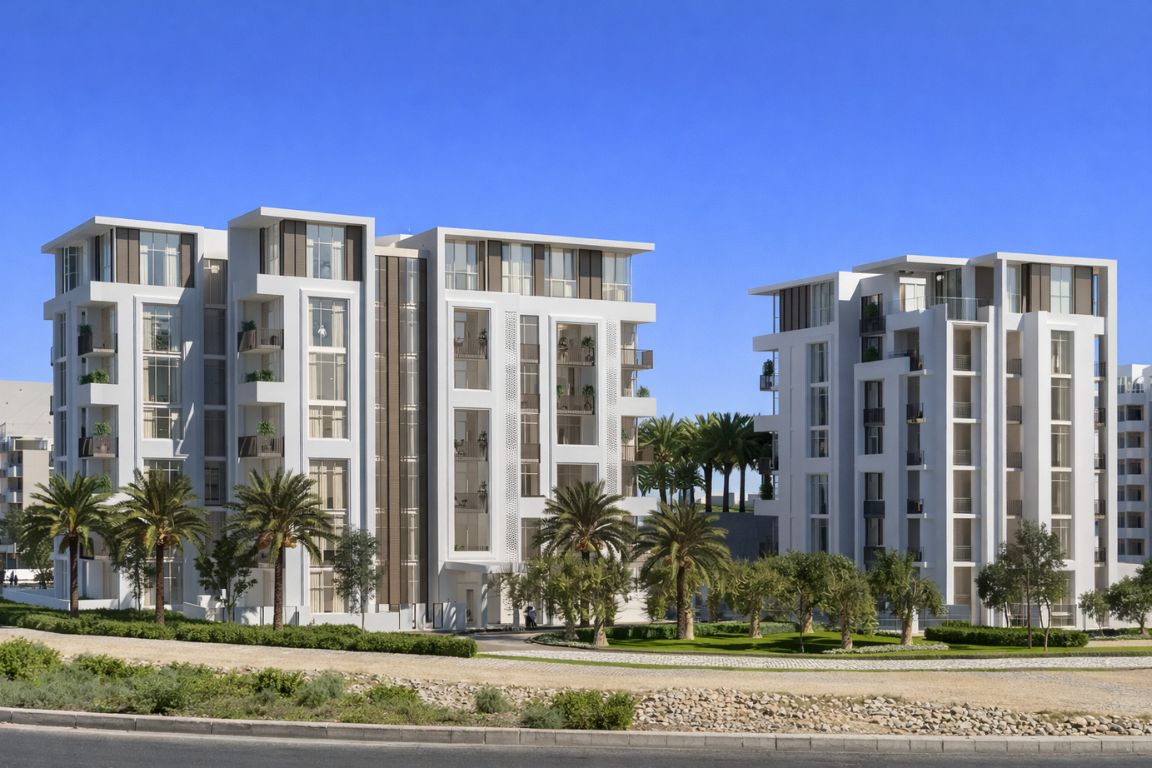 All main tourist areas of Muscat are safe for women at any time of day. Shatti Al Qurum is the most cosmopolitan neighbourhood, with restaurants, cafes, and a beach promenade that attracts families and expats. Mutrah is the most atmospheric for walking, particularly the Corniche and the souq. Ruwi (the old commercial district) is functional and busy but less polished. The airport area has no safety issues but minimal to explore on foot.
Muscat doesn’t really have unsafe neighbourhoods in the way that large cities in other countries do. The safety gradient between areas is more about social atmosphere than crime. Shatti Al Qurum, where most international hotels and upscale restaurants are concentrated, feels the most immediately comfortable for Western women: mixed-gender outdoor dining, women walking the beach promenade alone, coffee shops with other solo travelers visible. This is where women tend to feel most at ease navigating on foot without a car.
Mutrah is busier, older, and more male-dominated in the souq areas during the day, particularly around the fish and spice markets. It is not unsafe. It is simply a more traditional working neighbourhood where a solo Western woman will draw more notice than in Shatti Al Qurum. The evening atmosphere on the Corniche changes it completely: families out for walks, children everywhere, the general pleasant low-level bustle of an Omani evening. Many solo female travelers single out the Mutrah Corniche at sunset as one of their best Muscat moments.
The industrial areas, workers’ camps in the outskirts of the city, and poorly lit backstreets near Ruwi late at night are worth avoiding, not because of any specific crime record but simply because they are isolated and unwelcoming to anyone walking alone. This applies equally to men and women.
Need help choosing your bases? Our guide on where to stay in Oman Muscat tours covers Muscat neighborhoods, strategic stopover towns, and which desert camps are actually worth the money.
What Should Women Know About Getting Around Muscat?
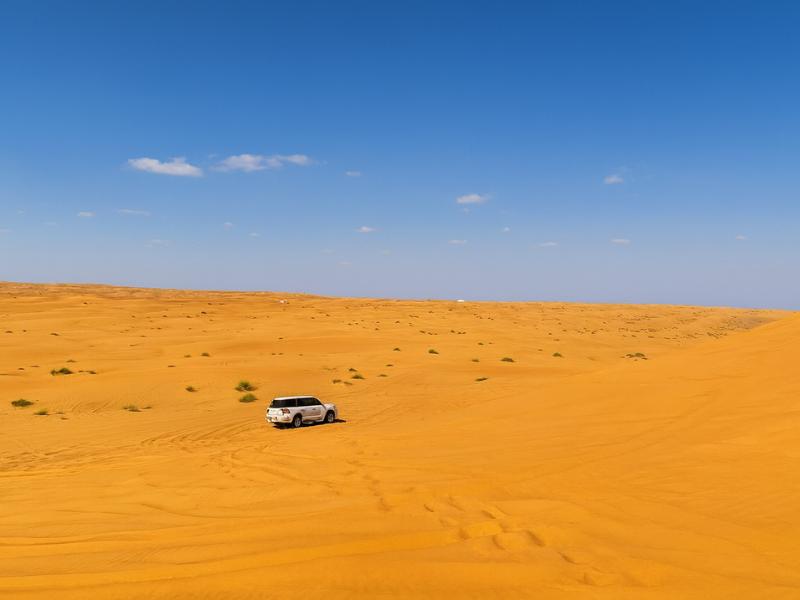
Use app-based taxis rather than street hails. The main apps in Muscat are Otaxi and the Mwasalat app. Uber and Careem do not operate in Oman. Street taxis are safe but fares are unmetered and subject to negotiation, often at inflated rates for foreign-looking passengers. Driving yourself is perfectly viable for women: roads are modern, well-marked in English, and other drivers are courteous. Muscat is a car-dependent city and public buses are not practical for tourist use.
The taxi situation in Muscat is the one logistics area that requires the most attention from solo women. Street taxis are orange and white, safe to use, and drivers are generally respectful. The problem is pricing. Without meters, fares are negotiated before the trip, and foreign passengers consistently pay more than locals. For a solo woman, the combination of being a tourist and being alone can mean significantly inflated quotes. The solution is simple: use the Otaxi or Mwasalat apps. Fixed prices, GPS tracking, digital receipts. A ride that costs 5 OMR by app might be quoted at 8-10 OMR on the street. The apps are also safer because there is a record of the trip.
One operational note: Otaxi cannot pick up from the airport, major hotels, or malls (these locations are reserved for Mwasalat-licensed taxis). Walk a few hundred metres away from these hotspots and then request the ride through the app. It takes an extra two minutes and saves considerably on cost.
Women driving solo in Muscat report no issues whatsoever. Oman’s roads are well-maintained, signs are in both English and Arabic, traffic rules are standard, and driving culture is reasonable by regional standards. Renting a car at the airport from around $15-20 per day gives complete freedom of movement and is arguably the most comfortable way for a solo female traveler to see Muscat and the surrounding region.
If you’re trying to figure out transportation logistics, here’s our Muscat transportation guide so you understand when rental cars make sense versus when taxis and Uber work fine.
What Cultural Norms Should Women Respect in Muscat?
The main norms relevant to female visitors: dress modestly in public, avoid public displays of affection, don’t photograph people (especially women) without permission, be aware that some restaurants seat solo women or mixed-gender groups in family sections separate from single male diners, and respect the Friday schedule (many attractions and some restaurants close in the morning for prayers). None of these require significant adjustment. They are worth knowing in advance to avoid awkward situations.
The family section in restaurants is worth a specific mention because it catches solo female travelers off-guard. Many traditional Omani restaurants have a section for single men and a separate section for families and mixed groups (and by extension, women dining alone). This is not discrimination. It is a social norm designed to give women a more enclosed and comfortable space. You will be seated in the family section as a solo woman, which is typically quieter and less visible from the street. Some travelers find this uncomfortable. Others appreciate it.
Photography of local women requires particular sensitivity. Omani women in traditional dress are a visually striking element of Muscat, but photographing them without permission is genuinely disrespectful. Ask first, accept a no gracefully, and do not photograph people in prayer or in private spaces. This applies equally to male visitors, but solo female travelers often find that their gender helps: approaching another woman to ask permission for a photo tends to go over more warmly than the same request from a male photographer.
The Ramadan variable is worth knowing if your visit falls during or near the holy month. In 2026 Ramadan ran February 18 to March 19. During Ramadan, eating, drinking, and smoking in public during daylight hours is prohibited and can result in a fine. Some restaurants are closed during the day or operate from separate, screened-off sections. Dress more conservatively and be quieter in public spaces. The evening atmosphere after Iftar (the sunset meal) is warm and festive. Many travelers who visit during Ramadan describe it as one of the most memorable versions of any destination they’ve seen.
Need guidance on respectful behavior? Our Oman Muscat tours cultural etiquette guide covers what tourists should know about greetings, dress, photography, religious sites, and social norms.
What Do Women Who Have Visited Muscat Actually Say?
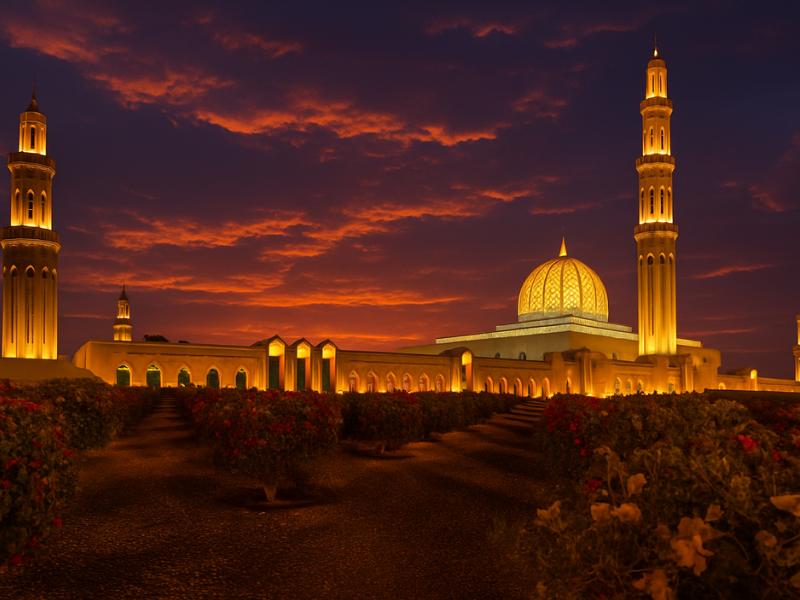
The dominant theme across hundreds of solo female traveler accounts is surprise at how safe and comfortable Muscat feels. Women describe walking the Corniche after dark without concern, eating alone in restaurants without incident, and being treated with courtesy by taxi drivers and locals. The most common practical complaint is not safety but walkability: Muscat is a car city and getting around without wheels requires planning.
A few representative experiences, distilled from travel forums, solo female travel platforms, and our own guide team’s conversations with clients over twelve years:
A woman who visited in February 2025 and stays out past midnight described Muscat as the safest capital city she had been to in the Middle East, including cities with stronger tourist infrastructure. She noted that the hospitality she received from Omani people specifically was qualitatively different from polite service, that locals genuinely seemed interested in whether she was having a good time.
A solo traveler who drove herself around Oman for ten days described the driving experience as stress-free in a way that surprised her, given preconceptions about driving in the region. No one honked at her. No one acted unusually toward her at petrol stations. She was not followed. The roads made sense.
The honest minority note: a small number of women report isolated incidents of being stared at, followed briefly in a market, or asked intrusive questions. These accounts consistently add that nothing escalated, that locals around them responded with immediate disapproval toward the person causing discomfort, and that this type of low-level friction is not unique to Muscat and is less common here than in many cities considered safe by reputation.
The consensus is clear. Muscat is not just safe for women on a technicality. It is a city where solo female travel is genuinely comfortable, where the social and legal environment actively discourages harassment, and where the overwhelming experience of visitors is one of being welcomed rather than being watched.
What Our Female Clients Report About Visiting Muscat (2025 Data)
| Metric | Data (from our guided groups) | Notes/Explanation |
|---|---|---|
| % of female clients who reported feeling safe throughout their visit | 92-98% | Overwhelming majority feel safe (low crime, respectful locals, no harassment); solo women often call Muscat “safest Middle East capital” or “safer than expected.” |
| % of solo female clients vs. group/couple travelers | 35-50% solo female / 50-65% group/couple | Solo female travelers common (many report positive experiences); groups/couples slightly more (family/friend trips); solo women praise independence/safety. |
| Most common dress code question asked before tours | “What to wear for the Grand Mosque?” (or variations on modesty/headscarf) | Mosque visits prompt most queries (cover shoulders/arms/legs/ankles, headscarf for women; long pants/shirt for men); clients ask about rentals, transparency, heat-friendly options. |
| % who said the actual experience exceeded their safety expectations | 80-90% | Pre-trip concerns (harassment, walking alone) often unfounded; post-visit “much safer than expected,” “welcoming,” “no issues”-hospitality surprises positively. |
| Most cited concern before arrival (vs. most cited positive after) | Before: Safety/harassment (staring, being followed); After: Hospitality/warmth (genuine interest, courtesy, walkability at night) | Pre-arrival fears focus on safety (Middle East stereotypes); post-visit positives emphasize kindness, respect, comfort walking alone/eating solo. |
The fail points for women visiting Muscat are almost entirely logistical rather than safety-related, which is itself a meaningful data point about the city.
The most common: not sorting transport before arrival. Women who land in Muscat expecting to walk or find a metered taxi quickly discover that the city doesn’t work that way. Download Otaxi and the Mwasalat app before you land. Have the app configured with a payment method. Know that Otaxi can’t pick you up directly at the airport (walk toward the car park exit).
Second: underpacking for modesty. Women who pack only summer resort wear for Oman end up either uncomfortable in public spaces or spending unnecessarily on replacement clothing. One lightweight linen trouser, one long-sleeved top, and a scarf cover every situation except the pool. That is not much to add to a suitcase.
Third: visiting the Grand Mosque without sorting the dress code at the hotel. The mosque entrance inspection is real. Women who arrive in sleeveless tops or uncovered hair get redirected to the rental counter, which costs time and 2.5 OMR. Sort it before you leave.
Fourth: arriving on a Friday without a plan. The Grand Mosque is closed to non-Muslims on Fridays. Some traditional restaurants and attractions reduce hours. Friday morning in Muscat moves more slowly than the rest of the week. If your only day in the city is a Friday, adjust your expectations and plan accordingly.
Planning to visit Muscat’s most iconic landmark? I’ve put together a complete Sultan Qaboos Grand Mosque guide covering dress code, timing restrictions, and what non-Muslims need to know before showing up.
Frequently Asked Questions
Is Muscat safe for women to walk alone at night?
Yes. The Mutrah Corniche, Shatti Al Qurum waterfront, and main tourist and hotel areas are safe to walk at night. Muscat has a high night-safety rating, with 85% of residents and visitors reporting feeling fully secure after dark. Standard precautions apply: stick to lit, populated areas and avoid isolated backstreets in non-tourist districts.
Do women have to wear a headscarf in Muscat?
No, outside of mosques. A headscarf is required to enter the Sultan Qaboos Grand Mosque (and any other mosque you visit). In public streets, restaurants, souqs, and all other public spaces, foreign women are not required to cover their hair. Covering shoulders and knees is recommended out of respect and to reduce unwanted attention.
Can women travel alone to Muscat?
Absolutely. Solo female travel in Muscat is common and consistently reported as positive. The city is welcoming, harassment is legally prohibited, and locals are helpful to travelers in genuine difficulty. The main practical adjustments are dress code awareness and relying on app-based taxis rather than street hails for transport.
Can women drive in Oman?
Yes. Women drive freely throughout Oman. Roads are modern, well-marked in English, and other drivers are generally courteous. Solo female travelers who rent cars report no incidents and describe driving as one of the best ways to see the country on their own schedule. A standard driving licence from most countries is valid for up to 30 days.
Is Muscat safe for women during Ramadan?
Yes, though with adjustments. During Ramadan, eating, drinking, and smoking in public during daylight hours is prohibited (including for tourists) and can result in a fine. Dress more conservatively. Some restaurants are closed during the day. The evening atmosphere after Iftar is particularly warm and memorable. Ramadan 2026 ran from February 18 to March 19; future dates shift approximately 10 days earlier each year.
What is the safest way for solo women to get around Muscat?
App-based taxis via Otaxi or the Mwasalat app are the safest and most cost-effective option. They provide fixed pricing, GPS tracking, and a digital trip record. Renting a car gives the most freedom and is reported as entirely comfortable by solo female drivers. Street taxis are safe but fares require negotiation and foreigners routinely pay more without the leverage a meter provides.
Written by Omar Jackson Al-Kalbani
Omani tour guide since 2013 · Founder, Oman Muscat Tours
Omar has guided over 7,700 travelers through Muscat, the wadis, and the deserts of Oman since founding the agency.
Choose the outing, then check your date
Half-Day Private Muscat City Tour - Top Landmarks in Just 4 Hours
Want a practical first-day route behind the quick reference? This private four-hour tour lists pickup anywhere in Muscat and visits the city’s main landmarks with an Omani English-speaking guide.
4.0 hours · Bottled water; Omani Tour Guide English Speaking
Choose a date to view the published schedule checked 9 September 2026. Final availability and price are confirmed on Viator.
Compare options and match my plans
Wheelchair accessible; Public transportation options are available nearby; Transportation options are wheelchair accessible; Suitable for all physical fitness levels; Please be aware that every Friday, both the Sultan Qaboos Grand Mosque and the Royal Opera House are closed. As a result, we will only be able to make a photo stop outside, along with a brief explanation.; Children under 5 years old can join the tour free of charge.; The Grand Mosque is open daily from 8:00 AM to 11:00 AM, and it is closed on Fridays. If your booking is between 11:00 AM and 4:00 PM, we will only be able to make a photo stop outside, along with a brief explanation. Extras: Lunch; Gratuities; Royal Opera House Fee 3 OMR or 8 USD per person. Pickup: (we do pick up and drop off anywhere in Muscat Area) We use a signboard with the name of our clients for Port and Airport
- Experience Muscat City Tour-Omani Guide and Traditional Food-5h · 5.0 hours. Pick up and drop off (around Muscat); Car parking fees
- Muscat: Airport Private Transfer to/from all Muscat Hotels · 0.5 hours. Private transportation; Bottled water
Compare your group costs
Enter complete quotes in the same currency, including transport, tickets and extras. These are your estimates, not live prices.