Oman Desert Tours Guide
Wahiba Sands desert trips from Muscat cost $60-200. Go October-April, stay one night, and don’t miss sunrise over the dunes.
Last updated: April 12, 2026
A Wahiba Sands and Wadi Bani Khalid day is the broad first choice; an overnight adds the desert evening and morning, while private and balloon options serve different priorities. Check Dates For Full-Day Wahiba Desert and Wadi Bani Khalid Group Tour ↗
Oman Desert Tours: Quick Facts
| Main Desert | Wahiba Sands (Sharqiyah Sands), Ash Sharqiyah region |
| Distance from Muscat | ~200 km / approx. 2-2.5 hours by car |
| Desert Size | 12,500 sq km. Dunes run north to south, up to 100-150m tall near the coast |
| Day Tour Price (Private) | $60-130 per person (Muscat pickup, 4WD, guide, often includes Wadi Bani Khalid) |
| Overnight Tour Price | $100-200 per person (camp accommodation, dinner, breakfast, dune activities) |
| Luxury Camp (Desert Nights Resort) | From ~$200-400+ per night per room, activities extra |
| Best Time to Visit | October to April. Avoid June, July, August (extreme heat) |
| 4WD Required? | Yes, for entering the dunes. Tours handle this. Standard car gets you to the edge only. |
| Permit Required? | No permit needed to enter Wahiba Sands |
| Cell Coverage | No signal once deep in the desert. Download offline maps before going. |
| Best Combination | Wahiba Sands + Wadi Bani Khalid (full-day or overnight) |
Prices verified March 2026.
What Is an Oman Desert Tour?
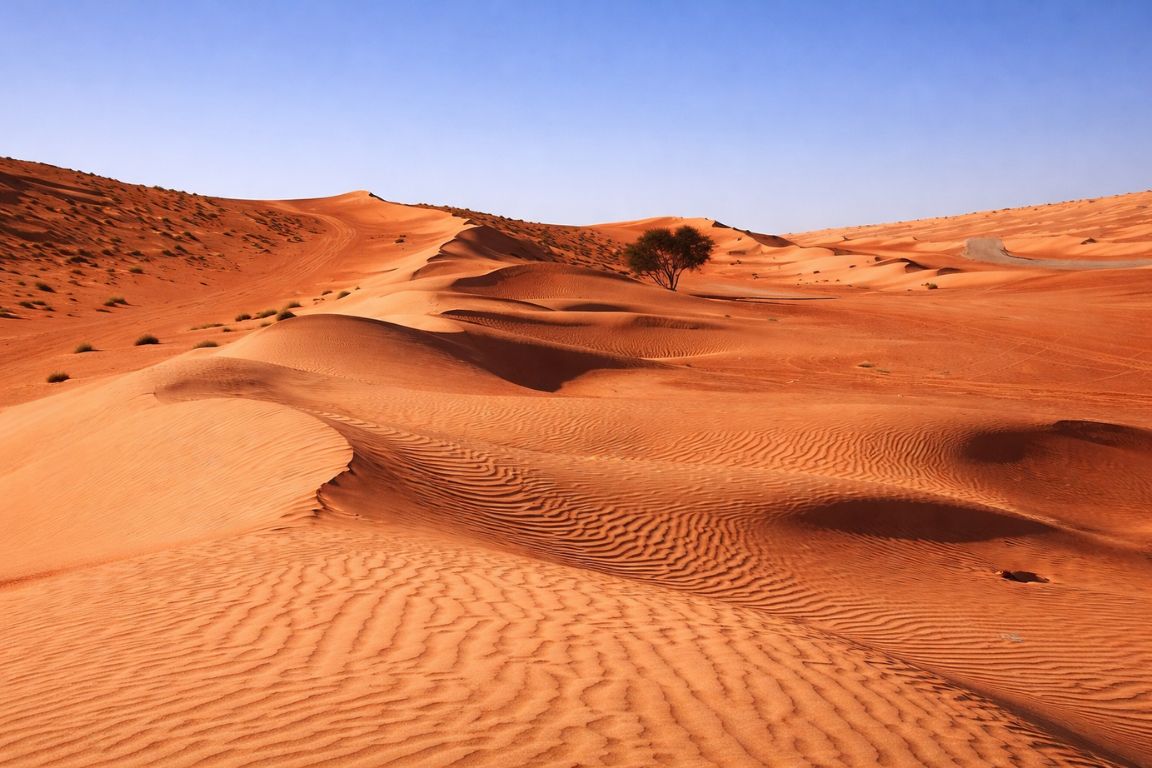 An Oman desert tour is a guided excursion into the Wahiba Sands, the country’s main accessible desert, located about 2.5 hours southeast of Muscat. Tours range from half-day 4WD adventures to multi-night camp stays deep in the dunes. Most include transport from Muscat, dune driving, a Bedouin camp visit, and optional activities like camel rides and sandboarding. The overnight version adds dinner under the stars, stargazing, and sunrise over the dunes.
The sand hits you before the dunes do. The road south from Muscat runs smooth and fast through the Hajar Mountains, and then the terrain just drops away and the colour changes. By the time the driver slows to let air out of the tyres at the desert edge, the landscape is already orange on every side. The transition is surprisingly abrupt. Most travelers say they weren’t prepared for how different it looks from anything they’ve seen before.
Oman has two desert regions. The Wahiba Sands, also called Sharqiyah Sands, is the one that matters for most visitors. It covers 12,500 square kilometres in the Ash Sharqiyah region, its dunes run north to south in long parallel ridges thanks to the prevailing winds, and the tallest dunes near the coast reach 100 to 150 metres. It sits about 200 kilometres from Muscat, which makes it viable as a day trip. The second desert, the Rub al Khali or Empty Quarter, extends across Oman’s southern and western borders into Saudi Arabia, Yemen, and the UAE. It’s larger, more remote, far harder to access, and requires specialist expedition operators. Almost all tourists who visit Oman’s desert experience are visiting the Wahiba Sands.
About 3,000 Bedouin still live in the Wahiba Sands, most seasonally, tending camels and maintaining connections to villages on the desert’s edge. Visiting a Bedouin family, drinking Omani coffee and eating dates in a traditional tent, is part of what makes the experience different from a generic dune bash. It’s one of the few places in Oman where the cultural dimension of a tour is as strong as the landscape dimension.
Which Desert Should You Visit in Oman?
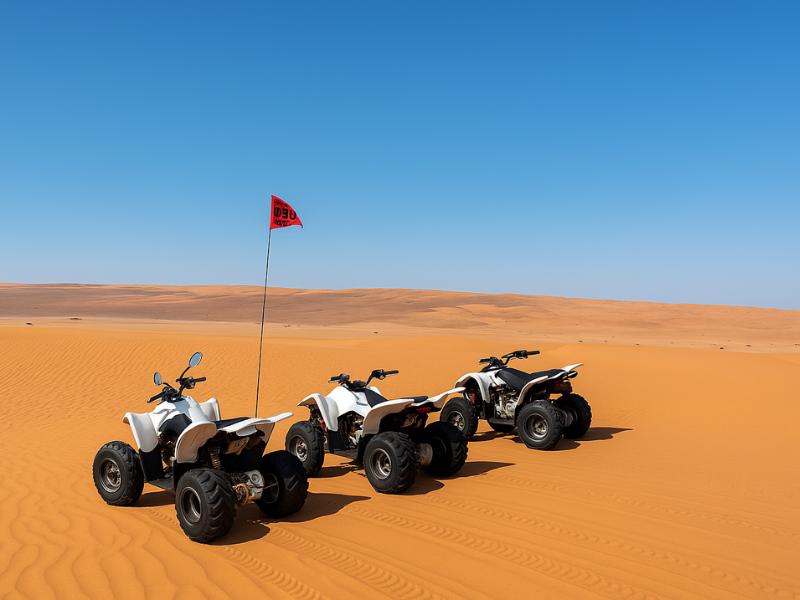
For the vast majority of travelers, the answer is the Wahiba Sands. It’s accessible from Muscat in 2 to 2.5 hours, requires no specialist expedition permits, has a well-developed camp infrastructure across all budget ranges, and delivers everything you’d expect from a desert: towering dunes, Bedouin culture, and proper darkness for stargazing. The Empty Quarter (Rub al Khali) is for serious expedition travelers only.
There’s a naming confusion worth clarifying here. The Wahiba Sands and Sharqiyah Sands are the same place. Sharqiyah is the historic Arabic name, meaning Eastern Desert. Wahiba refers to the Bani Wahiba tribe the Royal Geographic Society named it after during a 1980s research expedition. Some Omanis will still correct you on the name. Both are accepted.
The Wahiba is often described on blogs as “Oman’s Empty Quarter,” which is misleading. The actual Empty Quarter is the Rub al Khali, a separate and vastly larger desert. The Rub al Khali requires proper expedition vehicles, multiple days minimum, experienced guides with satellite navigation, and considerable physical preparedness. It is not a day trip from Muscat. Tour operators who offer it are running serious multi-day crossings, not tourist excursions.
The Wahiba Sands, by contrast, has no entry permit requirement, has camps ranging from basic Bedouin tents to full luxury resorts, and is feasible as a one-night add-on to a standard Muscat itinerary. If you are coming to Oman for a week and want to see the desert, the Wahiba Sands is the answer. End of discussion.
If you’re feeling overwhelmed by all the decisions, here’s how to plan a trip to Oman Muscat tours so you don’t waste time figuring out wadis, forts, and desert camps on the fly.
| Wahiba Sands (Sharqiyah) | ~200 km, 2-2.5 hrs | All visitors, day trips, overnight stays, families, first-timers | Easy with guide, moderate self-drive |
| Rub al Khali (Empty Quarter) | 500+ km, 5+ hrs | Experienced desert travelers, expedition groups | Expert level, multi-day, specialist equipment |
What Are the Best Oman Desert Tours to Book?
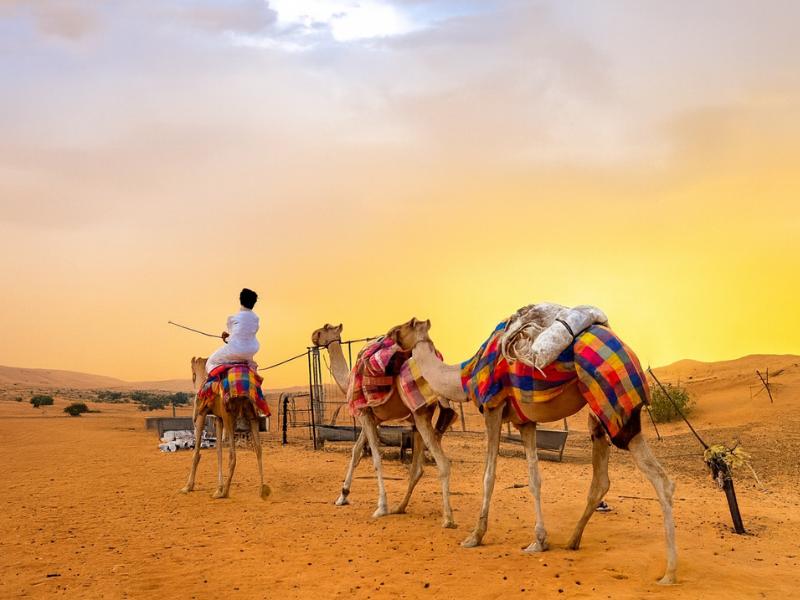
The most popular format is the Wahiba Sands and Wadi Bani Khalid combination, either as a full day or overnight. Day tours pick you up in Muscat, take you to Wadi Bani Khalid for swimming, then into the desert for dune driving, a Bedouin camp visit, and sunset. Overnight tours do the same but add a night in a desert camp, dinner, stargazing, and sunrise. Both are worth doing. The overnight version is better.
Most day tours from Muscat run roughly this sequence: morning pickup from your hotel, a stop at the scenic village of Fanja for photos, then Wadi Bani Khalid for swimming in clear turquoise pools about 9 metres deep, then southeast to the Wahiba Sands for dune driving and sunset, then back to Muscat. The return is usually around 9 to 10pm. Total driving is significant. You are spending about 5 to 6 hours in a vehicle across the day, which is part of the reason the overnight version works better for most travelers: you get the sunrise instead of just the sunset, and you don’t have the long return drive tacked on the end of an already full day.
Tour formats that consistently get strong reviews from our clients and from across the review platforms:
Private full-day Wahiba + Wadi Bani Khalid: The standard starting point. Private 4WD from Muscat, swimming at the wadi, dune bash, camel ride or sandboarding, Bedouin family visit, sunset. 12-14 hour day. Suits travelers who can only spare one day for the desert and don’t want to spend a night away from Muscat.
Private overnight Wahiba Sands: Same route as above but with a night at a desert camp. Dinner is usually a traditional Omani spread eaten outdoors or in a central covered area at the camp. After dinner the light pollution is essentially zero. The stars are extraordinary. Breakfast in the morning, then a sunrise dune drive before heading back to Muscat via Ibra or directly. Two to three days minimum for the full circuit including Wadi Bani Khalid before the camp.
Hot air balloon over Sharqiyah Sands: Royal Balloon Oman operates balloon flights over the dunes. About 50 minutes in the air, maximum 16 passengers. Flight time is at sunrise. Not cheap, but it is the most dramatic way to see the scale of the desert. Best booked well in advance during peak season (November through March).
If you’d rather have someone else sort the logistics, the private full-day Wahiba Sands and Wadi Bani Khalid tour includes Muscat pickup and a local guide on that route. Private transport, a local guide who knows every camp and wadi, and a day that’s structured around what you actually want to do rather than a generic itinerary.
We’ve done the legwork comparing the best Oman Muscat city tours so you don’t have to sort through dozens of operators with identical-sounding half-day itineraries.
How Much Does an Oman Desert Tour Cost?
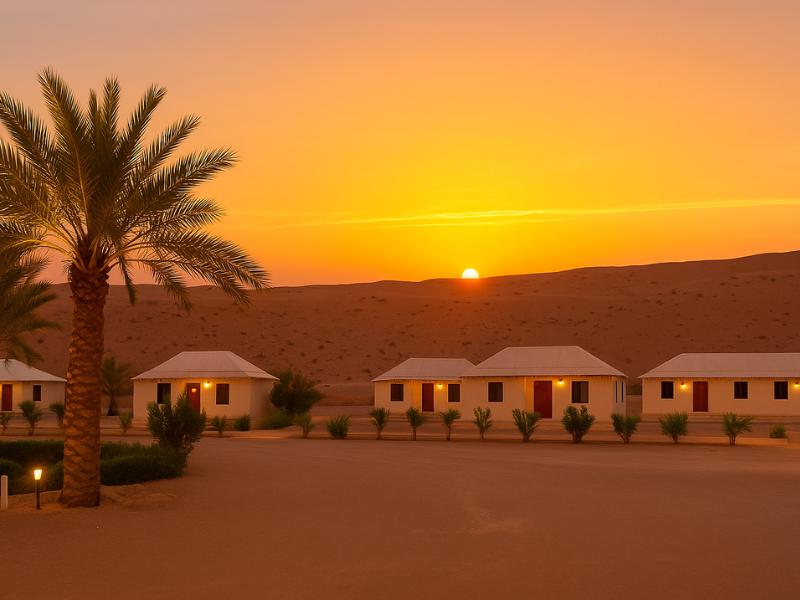
Day tours from Muscat to Wahiba Sands run $60-130 per person for private tours, $40-70 per person for group tours. Overnight tours with camp accommodation run $100-200 per person all-in for mid-range camps. Luxury camps like Desert Nights Resort charge $200-400+ per room per night with activities extra. The hot air balloon runs approximately $180-250 per person.
Price variation in the desert tour market is significant, and it’s worth understanding what drives it. Group tours are cheaper but you’re sharing a vehicle and schedule with strangers. Private tours cost more but the day moves at your pace, the guide can take you to less-visited spots, and there’s no waiting around for a group to reassemble after every stop.
On the accommodation side, the cheapest desert camps are right on the edge of the desert near the main access road. You’re technically in the Wahiba Sands, but you can hear traffic and see settlement lights. The better camps are 10 to 40 kilometres into the dunes. The difference in experience is substantial. Complete darkness, silence except for wind, dunes rolling in every direction. This is the camp experience people write about for years. It costs a bit more. It’s worth it.
Meals are usually included at desert camps since there’s nowhere else to eat. Always confirm this when booking. A camp that quotes accommodation-only will add meal costs that significantly change the real price. The standard formula is: accommodation + dinner + breakfast + 4WD transfer from the nearest town (usually Bidiyah or Al Wasil) + activities. Get the all-in number before committing.
Worried about costs? I’ve put together a complete Oman Muscat tours travel budget so you know exactly what you’ll spend on rental cars, desert camps, hotels, and those surprisingly affordable Omani meals.
| Group day tour (Wahiba + Wadi Bani Khalid) | $40-70 | Shared 4WD, guide, lunch, dune bash, camel ride | 12-14 hours |
| Private day tour (Wahiba + Wadi Bani Khalid) | $80-130 | Private 4WD, guide, lunch, dune bash, camel ride | 12-14 hours |
| Overnight tour (mid-range camp) | $100-200 | Transport, guide, camp, dinner, breakfast, sunset/sunrise dune drive | 2 days / 1 night |
| Luxury camp (Desert Nights Resort, etc.) | $200-400+ per room | AC room/villa, pool, restaurant, activities extra | Per night |
| Hot air balloon (Royal Balloon Oman) | $180-250 | 50-min flight at sunrise, max 16 passengers | Half-day |
Prices verified March 2026. Book 2+ weeks ahead during peak season (Nov-Mar).
What Should You Pack for an Oman Desert Tour?
The desert has two completely different climates within the same day. Midday temperatures in winter sit at 25-30°C, dropping to 10-15°C overnight in December and January. Pack light breathable layers for the day and a proper warm mid-layer for evening. Sandals for camp, closed shoes for dune walking. High-SPF sunscreen, a wide-brim hat, a lightweight scarf for dust and wind, and far more water than you think you’ll need.
This is where most first-timers go wrong in two opposite directions. Some pack as if they’re going to a beach and freeze at 11pm when the temperature drops 15 degrees and the wind comes up. Others pack too heavy and overheat during the afternoon dune walk in their fleece.
The practical list for a desert day tour or overnight stay:
For clothing: lightweight linen or cotton long-sleeved shirt (sun protection and dust), long trousers, sandals or slip-ons for the camp area, closed-toe walking shoes for the dunes (bare feet on hot sand is genuinely painful and sand gets under toenails during dune climbs), a warm fleece or jacket for evening, a lightweight headscarf or buff for wind and sand. Light-coloured fabrics reflect heat better than dark ones. This matters in April when temperatures are already climbing.
For kit: minimum 2 litres of water per person beyond what the tour provides, high-SPF sunscreen applied before you leave the car, sunglasses, a phone charged fully the night before (there is no mobile signal or Wi-Fi in the desert once you’re past the edge camps), a power bank, a small headlamp or torch for navigating the camp at night, and cash since some camps and guides are cash-only and there are no ATMs once you’ve left the highway.
One thing people consistently forget: a small dry bag or ziplock bag for your phone and camera. Wind picks up suddenly in the desert and sand gets into everything. The warning about sand in cameras is not exaggerated. We have seen travelers lose the ability to photograph the sunset because sand got into the camera body during a dune climb an hour earlier.
If you’re trying to figure out what to pack, here’s our Oman dress code guide so you respect local customs without overdressing for the heat or missing out on mosque visits.
When Is the Best Time to Go on an Oman Desert Tour?
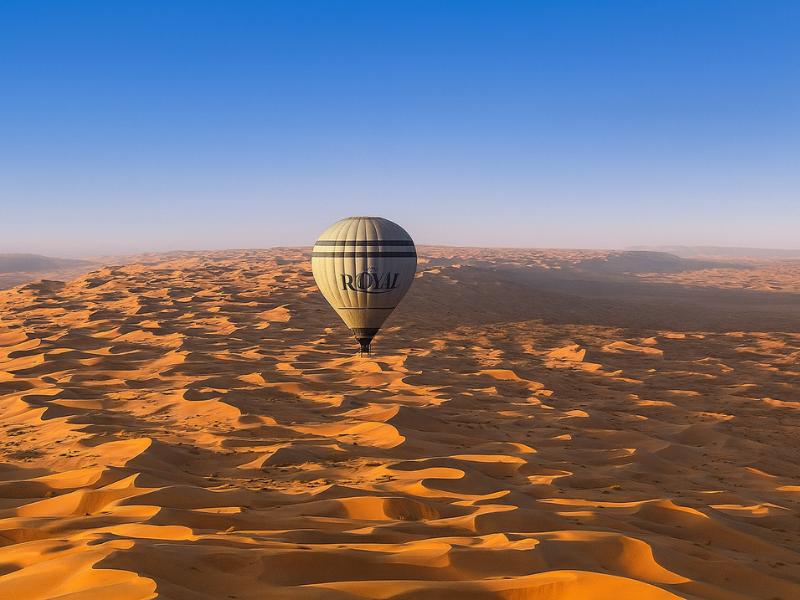
October through April is the window for desert tours. November through February are the best months: comfortable day temperatures (20-28°C), cold enough nights for proper stargazing, and the dune colours are at their most vivid. Avoid June, July, and August entirely. May, September, and October are possible but require early morning starts and a tolerance for significant heat by midday.
The desert is not an equal opportunity experience across the year. Summer temperatures in the Wahiba Sands regularly exceed 50°C in the afternoon. That is not a hyperbole for dramatic effect. It is the temperature at which walking on sand becomes genuinely dangerous, tyre blowouts from heat become a real risk, and the air itself is uncomfortable to breathe. Tour operators stop running in the peak summer months. If you are considering an Oman trip between June and August and the desert is on your list, build the desert day into the October trip instead.
The Omani weekend falls on Friday and Saturday. These are the days when Omani families drive out to the desert in their own 4WDs, the camp areas around Bidiyah get busy, and the valley floors between dunes can have significant traffic noise from quads and ATVs. If you have flexibility, schedule your desert day or overnight for a Sunday through Thursday. The desert on a Tuesday morning in January has a completely different quality to a Friday afternoon in December.
| October | 30-35°C | 20-25°C | Good, start activities early morning |
| November-February | 22-30°C | 10-18°C | Best months. Pack a warm layer for evenings. |
| March-April | 28-38°C | 18-25°C | Fine, early starts essential by April |
| May | 38-44°C | 26-30°C | Borderline. Avoid afternoon outdoor activity. |
| June-August | 45-52°C | 30-35°C | Do not visit. Tours shut down. Dangerous heat. |
| September | 38-44°C | 28-32°C | Possible but difficult. Sunrise/sunset only. |
Temperature data verified March 2026 from Oman Meteorology sources.
We’ve been running desert tours since 2013 and know which months, which camps, and which combinations work best for different travelers. The 2-day private Wahiba Sands tour is the overnight version of that circuit.
Planning ahead? Our guide to the best time to visit Oman Muscat tours breaks down why November through March is the sweet spot and why summer is genuinely miserable for outdoor activities.
What Is Staying in a Desert Camp in Oman Actually Like?
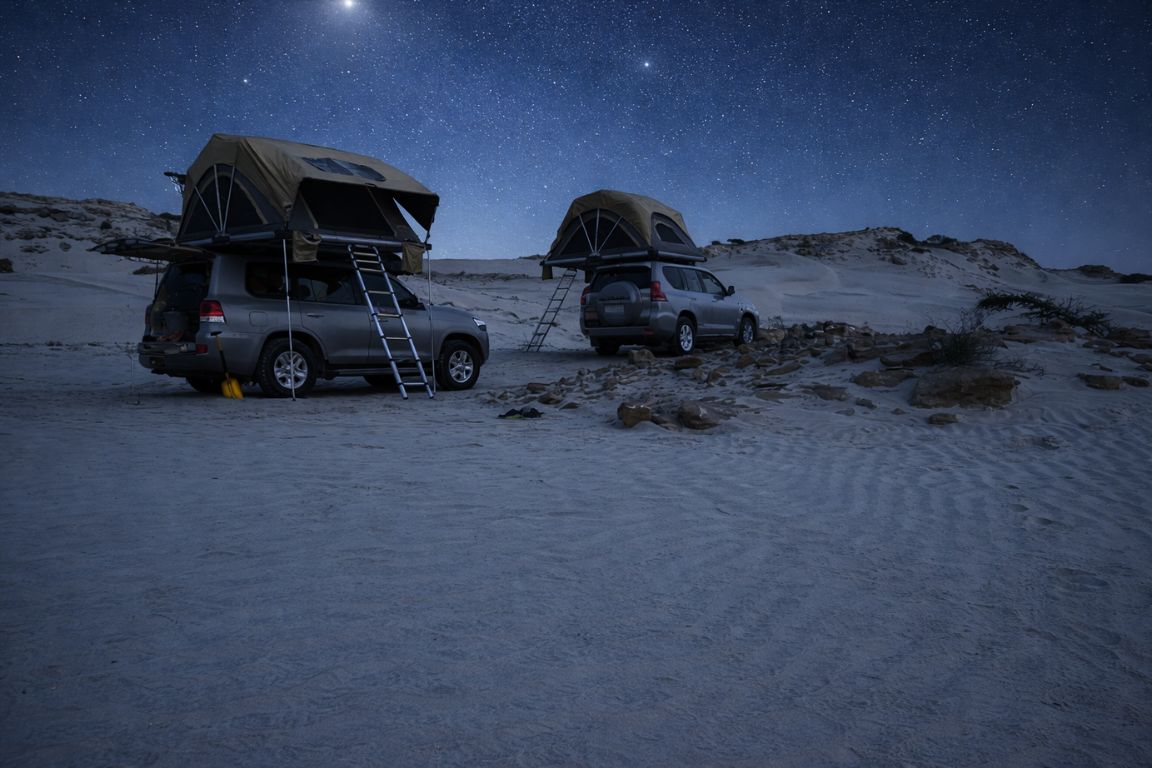 Desert camps in Oman range from small 4-6 tent Bedouin setups with shared bathrooms and generator power, to full resort properties with air conditioning, pools, and multiple restaurants. The smaller intimate camps deliver the authentic desert experience most travelers are after. The larger luxury resorts offer comfort but can feel removed from the desert itself. One night is the right call for most people; two nights for those who want to slow down and actually feel the solitude.
This is the section most articles get wrong by being vague. Here is what a mid-range overnight desert camp stay in Wahiba Sands actually involves, and what you should know before booking.
Arrival is usually late afternoon, delivered by 4WD transfer from the nearest road access point (typically Bidiyah). The better camps are 10-40 kilometres into the dunes from the road. Camp staff meet you at a meeting point and drive you in. If you have your own 4WD, they let air out of your tyres at the entrance and lead you in convoy. Either way, you do not drive yourself into the dunes alone on a first visit. In 2019, a French couple tried to cross the desert independently, got stuck, nearly died, and had to be rescued after two days. This is not a theoretical risk.
The camp itself is typically a central covered dining and lounging area, individual tents arranged around it, shared or en-suite bathroom facilities depending on the camp tier, and a generator that powers lights and (in some camps) air conditioning. In the small camps (4-8 tents), there’s a quiet that is almost disorienting if you’re used to cities. After dinner, the guide usually takes the group up a nearby dune. The sky without any light pollution is one of those things you don’t fully understand until you’re inside it. It is actually darker than you expect. The stars come in layers.
Two things that surprise people: how cold it gets after 10pm (bring a real jacket, not just a light hoodie), and how loud the quiet is. The desert isn’t silent. Wind moves differently in the dunes. Sand shifts at night. Camels make sounds at impractical hours. The morning call to prayer from a distant village carries surprisingly far in the still air. These are not complaints. They’re the experience.
Camp selection matters more than most booking sites suggest. There’s a spectrum from four-tent family-run Bedouin setups to 70-tent resort operations. The large camps have more amenities and more noise, mostly from ATVs, generators, and other groups. If you want the actual desert experience, pick a small camp set deep in the dunes, not one on the valley floor visible from the road. The best ones are usually not the most visible on Booking.com.
We’ve detailed desert camping in Oman Muscat tours because choosing between luxury tented camps and basic Bedouin setups affects everything from comfort to price to the authenticity of your experience.
Where Desert Tour Visitors Go Wrong
The mistakes we see across hundreds of guided desert tours are consistent enough to be worth naming directly.
The most common: visiting in summer. It seems obvious written down, but travelers who book Oman in July and then add the desert as a day trip genuinely do not understand the temperature difference between Muscat (hot) and the Wahiba Sands interior (lethal). June through August in the desert is a safety issue, not just discomfort.
Second: choosing the camp based on photo aesthetics rather than location. The most photogenic luxury tents are not always deep in the dunes. Some sit at the desert’s edge where you get views of distant dunes but also traffic noise, generator hum, and a kind of half-desert experience. Ask specifically how far the camp is from the nearest road before booking.
Third: skipping the overnight and doing only the day tour. We understand why, it’s cheaper and requires one less night away from Muscat. But the day tour gets you to the desert in the late afternoon, gives you two to three hours before dark, and then turns around. The overnight gets you the morning. Sunrise from a dune in the Wahiba Sands at 6am in November is the experience that appears in traveler journals for years afterward. The day tour does not.
Fourth: not carrying enough cash. There is no mobile signal inside the desert and no ATMs near the camps. If you owe cash for activities, tips, or camp extras, you need it with you. The nearest cashpoint is at Lulu Hypermarket in Ibra, which some tours pass through on the way out. Many don’t.
Fifth: underestimating the cold. December and January nights in the Wahiba Sands get down to 10°C or lower with wind. Travelers who pack as if they’re going to Dubai in December spend the night cold and miserable. Bring a proper jacket, not an airport-bought windbreaker.
Need month-specific planning? I’ve put together the best month to visit Oman Muscat tours so you know exactly what heat, events, and conditions to expect throughout the year.
Frequently Asked Questions
Do I need a 4WD for an Oman desert tour?
Yes, to enter the dunes. A standard car can get you to the desert edge near Bidiyah for photos, but to go into the Wahiba Sands properly you need a 4WD with lowered tyre pressure for sand traction. If you book a tour from Muscat, the operator handles this entirely. If driving yourself, rent a 4WD and have the tyres deflated before entering the sand.
Is it safe to go to the Wahiba Sands alone?
Going alone without a guide is not recommended. Getting stuck in soft sand is common even for experienced drivers. There is no mobile signal once you’re deep in the dunes. Navigation is genuinely difficult as the dune landscape is repetitive and easy to disorient in. A French couple attempting a solo crossing in 2019 required a full emergency rescue. Go with a guide, at least for your first visit.
Can I do the Wahiba Sands as a day trip from Muscat?
Yes, but it’s a long day. Muscat pickup is usually 7:00am, return is 9:00-10:00pm. The round trip is about 5 hours of driving plus time at Wadi Bani Khalid and the desert. It’s manageable for most travelers. The overnight is a significantly better experience if your itinerary allows it.
Are desert camps in Oman worth the cost?
Yes, for the right camp. The key variable is location: camps deep in the dunes (10-40km from the road) deliver the authentic desert experience. Camps on the desert edge can feel like a themed resort. Meals are almost always included since there’s nowhere else to eat. Factor in the 4WD transfer fee from the nearest access point (usually 10-20 OMR per vehicle) when comparing prices.
What is the Wahiba Sands and Wadi Bani Khalid combination tour?
It’s the most popular Oman desert tour format. Wadi Bani Khalid is an oasis about 20 km from the Wahiba Sands edge with clear blue swimming pools up to 9 metres deep. Most tours stop here for 1.5 to 2 hours before continuing to the desert. The contrast between cool turquoise water in a palm-shaded canyon and the amber dunes two hours later is one of the more memorable days you can have in Oman.
When should I book my Oman desert tour in advance?
During peak season (November through March), book at least two weeks ahead for private tours and overnight camps, especially for specific camp properties. The best small Bedouin camps have only 4-8 tents and fill quickly. In shoulder months (October and April), one week’s notice is usually enough. Same-day bookings are sometimes possible but limit your options significantly.
Written by Omar Jackson Al-Kalbani
Omani tour guide since 2013 · Founder, Oman Muscat Tours
Omar has guided over 7,700 travelers through Muscat, the wadis, and the deserts of Oman since founding the agency.
Choose the outing, then check your date
Full-Day Wahiba Desert and Wadi Bani Khalid Group Tour
What fits inside the standard full-day format? Explore the options that combine Wahiba Sands and Wadi Bani Khalid.
9.0 hours · Bottled water; During high-demand periods, transfer from Muscat may be provided by a bus instead of a 4x4 vehicle. Dune bashing in the desert still be conducted in 4x4 vehicles, ensuring a full desert experience.
Choose a date to view the published schedule checked 9 September 2026. Final availability and price are confirmed on Viator.
Compare options and match my plans
Not recommended for travelers with poor cardiovascular health; Suitable for all physical fitness levels; Start Time: Start times vary by option. The Desert & Oasis (without sunset) option usually begins around 8:00 AM. Options including sunset or quad bike experiences typically start between 9:00 and 11:00 AM, depending on the season; Fuel Stop & Snacks: There will be a short stop at a fuel station where guests can purchase snacks, juices, or coffee for cash.; Weather Considerations: The tour operates in all weather conditions; however, in the event of extreme weather, certain activities may be adjusted or rescheduled; Pick-up & Drop-off: Transfers are provided from Muscat. The exact pick-up time will be confirmed one day before the tour via WhatsApp, so please provide an active WhatsApp number in advance.; Please note: The total duration of desert and oasis activities is approximately 3 hours; the remaining time of the tour is allocated to travel between Muscat and the activity locations (round trip).; The tour is available for guests aged 5 years and older only; For safety reasons, this tour is not recommended for pregnant guests due to dune bashing activities. We advise booking a private tour without dune driving for a safer and more comfortable experience. Extras: Gratuities; 30-Minutes Quad bike riding (available only in the Quad Bike option); Camel Riding; Accommodation in the desert hotel is not included if you book the "Desert Overnight" option; Child Seats; Life Jackets. Pickup: We contact all guests one day before the tour to confirm pick-up details. Please provide your exact address when booking and an active WhatsApp number to ensure smooth communication. If your pick-up location is not a hotel but a specific place (e.g., a private residence or office), please mark the exact building on the map and provide clear instructions so our driver can locate you easily. If airport pick-up is required or if the tour takes place on the same day as your arrival, please allow sufficient buffer time before the tour starts. If you need to collect checked baggage, we recommend planning for at least 1.5 hours between your scheduled arrival time and the tour start. If you are traveling without checked baggage, a minimum of 1 hour is recommended to ensure timely arrival for pick-up.
- Full-Day Private Wahiba Sands Desert and Wadi Bani Khalid Tour · 9.0 hours. Omani Guide English Speaking; Fuel and Parking Fees
- Full-Day Private Experience through Desert Adventure in Oman · 8.0 hours. Bottled Water; Omani Tour Guide English Speaking
- 2 Days and 1 Night Private Wahiba Sands Desert Tour · 2.0 days. Omani Tour Guide English Speaking; Dinner
- Hot Air Balloon Tour at Wahiba Sands · 2.0 hours. Bottled water; Snacks
Compare your group costs
Enter complete quotes in the same currency, including transport, tickets and extras. These are your estimates, not live prices.