Ramadan Travel in Oman
Visiting Oman during Ramadan? It’s doable and rewarding - just no eating or drinking in public by day, and expect lively nights after Iftar.
Last updated: April 12, 2026
Ramadan rewards a shifted schedule. The three-hour evening Muscat group tour fits the after-dark rhythm, but its listing does not verify an iftar meal; confirm its exact departure and inclusions for your date. See The Evening Muscat Route ↗
Ramadan in Oman: Essential Reference
| Ramadan 2026 dates | Approximately 17 February – 18 March 2026 (exact dates depend on moon sighting) |
| Ramadan 2027 dates | Approximately 7 February – 8 March 2027 |
| Eid Al Fitr 2026 | Approximately 19-20 March 2026 (2-3 days public holiday) |
| Public eating/drinking rule | Illegal for everyone (tourists included) from dawn to sunset. Applies to food, water, smoking, and chewing gum in any public space including inside your car. |
| Legal penalty | Article 277 Omani Penal Code: imprisonment 10 days to 3 months. Applies to anyone over 15 regardless of religion. |
| Where you CAN eat during the day | Hotel restaurants (often screened off), inside your hotel room, in private vehicles away from public view |
| Alcohol | Available in licensed hotel bars and restaurants after Iftar only. Some hotels serve from 7pm. Room minibar usually stocked. Off-licenses closed during Ramadan. |
| Restaurant hours | Most local restaurants closed during the day. Reopen at Iftar (sunset). Some hotel restaurants open for screened daytime dining. |
| Working hours | Government and banks: 9am-2pm. Malls and retail: roughly 10am-1pm then 7pm-1am. Attractions: mostly as normal with some reduced hours. |
| Driving warning | Road traffic increases sharply in the 30-60 minutes before Iftar. Drive carefully during this period. |
| Dress code | More conservative than usual – shoulders and knees covered for both genders. Women: sleeves and long trousers/skirts advisable. |
| Loud music | Prohibited in public places during Ramadan. Keep vehicle music low. |
Information verified March 2026 against Omani Penal Code (Royal Decree 7/2018) and official Oman Foreign Ministry travel advice.
What Is Ramadan Like in Oman for Tourists?
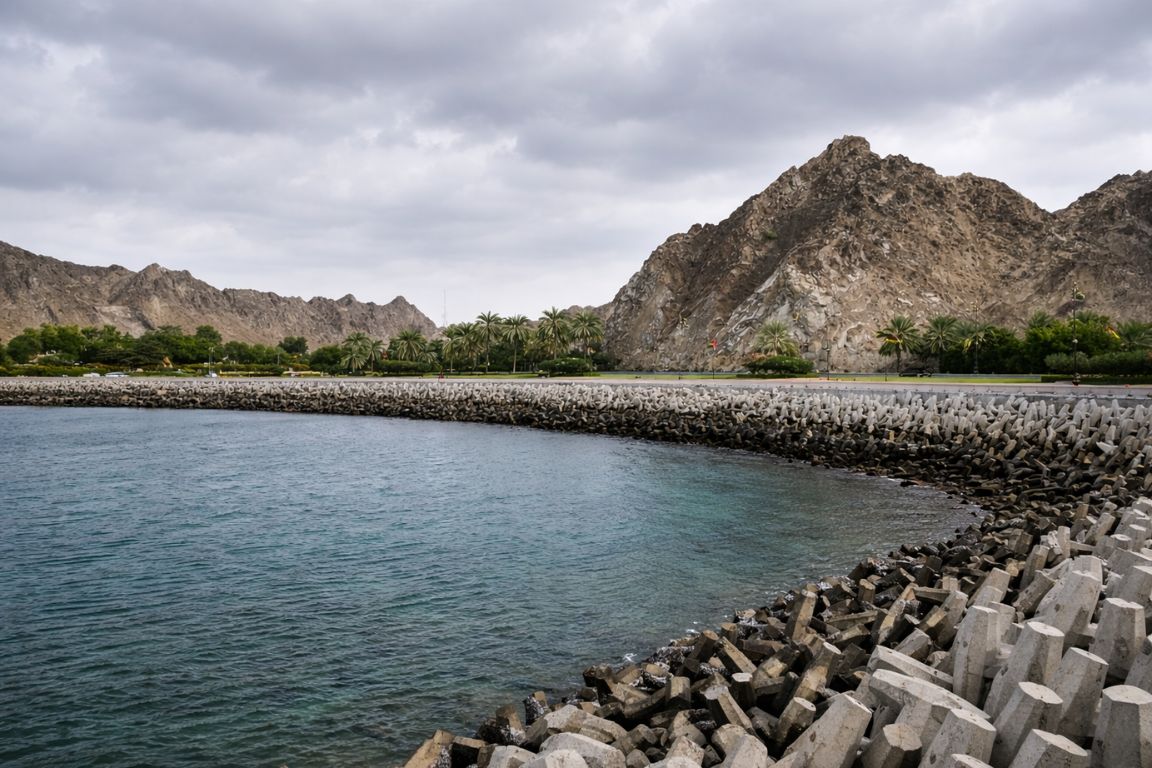
Ramadan in Oman creates a country with two completely different personalities: a quiet, slow, sun-bleached daytime that empties the streets and closes the restaurants, and an after-dark world that comes alive with families, lights, food, and a warmth of welcome that most travelers say they weren’t expecting. For tourists who adjust their schedules and understand the rules, it is one of the most culturally distinctive times to visit. For those who don’t adjust, it is a frustrating month of closed restaurants and confused logistics.
The cannon fires at sunset. In Muscat, Nizwa, and Salalah, an actual ceremonial cannon marks Iftar – the moment the fast breaks. It is broadcast on television and radio simultaneously. In the minutes before it fires, the streets are quiet and then suddenly very full. Cars that have been parked at the beach and in parks deploy folding tables. Families in their finest Ramadan outfits lay out dates, laban, Omani coffee, and the first plates of the evening. The smell of food being prepared in apartments above the street has been building for an hour. When the cannon sounds, everything exhales.
Understanding this rhythm changes how you experience Ramadan as a visitor. The daytime is not broken Oman. It is Oman in a different mode – slower, more contemplative, quieter in ways that make the wadis emptier and the historic forts more peaceful. The evening is not late-night Oman. It is a specific social flowering that happens in this month and no other, with extended market hours, hotel Iftar banquets, and a general spirit of generosity that Oman’s culture amplifies particularly during Ramadan.
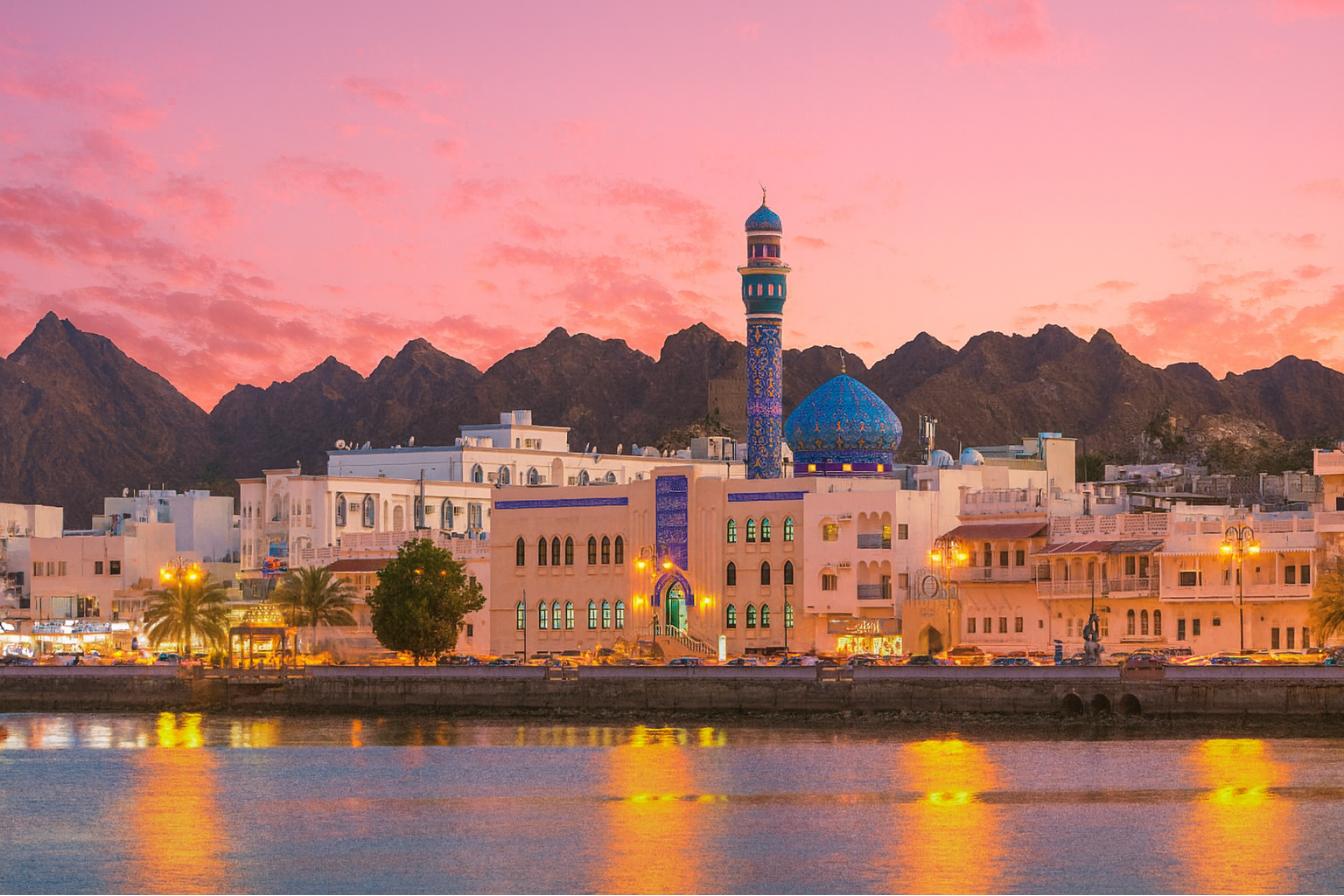
We have been guiding travelers through Muscat during Ramadan since 2013. The visitors who leave with the strongest memories of this trip are almost always those who went to an Iftar buffet, walked the Mutrah Corniche after dark under the Ramadan lanterns, and adjusted their sightseeing schedule to the evening. The visitors who struggle are those who didn’t read the rules and found themselves eating a sandwich in view of local people, or who arrived expecting Muscat to operate the same as any other month.
When Is Ramadan in Oman?
Ramadan falls according to the Islamic lunar calendar, which is approximately 11 days shorter than the Gregorian calendar. This means Ramadan shifts approximately 10-11 days earlier each year. Ramadan 2026 ran from approximately 17 February to 18 March. Ramadan 2027 is expected from approximately 7 February to 8 March. Exact dates are confirmed only upon moon sighting and may shift by a day in either direction from predictions.
The shifting dates matter significantly for trip planning. In the early 2030s, Ramadan will fall in January, during Oman’s peak tourist season. In the late 2030s it will be in November – another popular window. In 2025 it ran late February to late March; in 2026, mid-February to mid-March. The practical consequence is that planning an Oman trip more than a year ahead requires checking the projected Ramadan dates and deciding whether your travel window overlaps.
The dates are formally announced in Oman only upon official moon sighting, which can shift things by one day. Pre-trip date lookups should use phrases like “Ramadan 2027 Oman dates” in the weeks before booking rather than relying on dates published more than a year in advance. Islamic calendar projection sites (islamicfinder.org, timeanddate.com) give reliable estimates 1-2 years out but note them as projections.
Eid Al Fitr, the three-day celebration ending Ramadan, follows immediately after the final day of fasting. In 2026, Eid Al Fitr fell approximately 19-20 March. During Eid, many businesses close for 2-3 days, Omani families travel domestically, and the atmosphere in Muscat is festive. If your trip ends on or just after Eid, allow extra time for any last-minute activity bookings and check attraction opening hours, as some close for the first day or two of Eid.
We’ve detailed the best month to visit Oman Muscat tours because what you experience in January is completely different from July – different temperatures, different activities, different feasibility.
What Are the Rules for Tourists During Ramadan in Oman?
 The single most important rule for tourists: no eating, drinking, or smoking in any public space during daylight hours. This is not a social norm to be respectful of – it is a legal obligation under Article 277 of the Omani Penal Code (Royal Decree 7/2018), and it applies to non-Muslims and tourists equally. Anyone over 15 found eating or drinking publicly during fasting hours can be imprisoned for 10 days to 3 months. The UK government’s official Oman travel advice specifically names this rule and includes the note that this applies even inside your car.
This is where most “Ramadan travel tips” articles soften the language in ways that don’t serve travelers well. The law is not vague. The Times of Oman quoted an Omani lawyer directly on this: Article 277 of the Penal Code “is not restricted to Muslims only, so everyone who appeared to be consuming food or drinks during the day in Ramadan is subject to the text, regardless of his religion or race.” Public means public – the street, the beach, a park, a car park, your car window-down at a traffic light. It does not mean your hotel room, a hotel restaurant, or a private space with no public visibility.
The practical application for travelers: eat breakfast at your hotel before leaving for the day. Pack nothing to eat or drink in your day bag unless you can consume it in your hotel room when you return. If you are on a road trip or desert excursion, eat and drink inside the vehicle away from public view, or better still, plan meal stops around hotel restaurant windows. Drinking water while hiking in the mountains on a hot February day requires the same discretion – do not take visible sips from a water bottle while walking through a village or town.
Some behavior that is not restricted for tourists:
Eating in hotel restaurants, even during the day. Hotels are permitted to serve non-fasting guests, though many screen off the dining area from public view. Eating in your hotel room at any time. Drinking water inside your car in a private setting (not at traffic lights with windows down in a populated area – this is the grey zone). Being served alcohol in a licensed hotel bar after Iftar – some hotels serve from 7pm onwards, and hotel minibars are generally stocked throughout Ramadan. Buying food at a supermarket and eating it out of public view.
What tourists often ask about the in-car rule: the UK Foreign Office specifically says “including in your car.” Our practical advice is to not eat visibly from a stationary car in a public area where people can see through your window. Eating privately at a motorway rest stop in a parked car away from pedestrian traffic is a different situation from eating at a red light in central Muscat. Use judgement, and when in doubt, wait until you are back at the hotel.
How Does Ramadan Affect Eating and Drinking in Oman?
Daytime: most restaurants and cafés close until Iftar. Hotel restaurants remain open but may operate behind screens separating fasting from non-fasting guests. Supermarkets stay open and you can buy food to eat in private. Fast food outlets occasionally open for takeaway with limited menus. After Iftar (sunset): all restaurants and cafés reopen, usually offering special Ramadan menus and Iftar buffets alongside regular service. The evening dining scene is expansive and excellent. Alcohol: available in licensed hotel bars and restaurants after Iftar, typically from around 7pm.
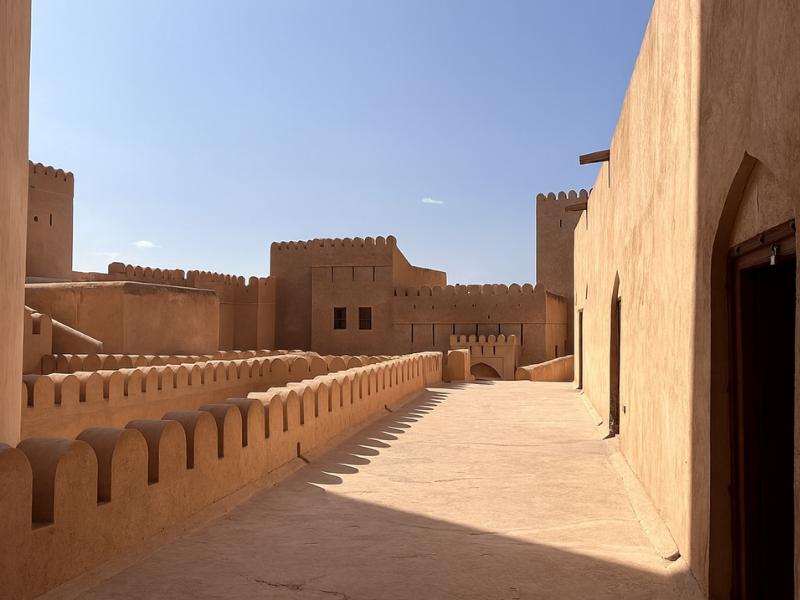
The daytime food situation is more manageable than it sounds if you plan around it. A proper hotel breakfast before leaving in the morning gets you through most of the day’s sightseeing without needing to eat out. Most of Oman’s main attractions – the Grand Mosque, Mutrah Souq, Nizwa Fort, wadi day trips – are accessible without restaurant stops. The challenge comes on long drives (Muscat to Nizwa, Muscat to the Wahiba Sands) when you’d normally stop at a roadside café. During Ramadan, those cafés are closed, and you need either hotel-packed food consumed privately in the car, or the ability to wait until Iftar at a hotel restaurant at your destination.
Hotel restaurants during Ramadan typically operate with screened or partitioned sections. The screens separate fasting guests from those eating – a logistical arrangement rather than a hostile one. At international hotel chains in Muscat (Al Bustan Palace, Chedi Muscat, Crowne Plaza, Grand Millennium), daytime dining is available and well-executed. At smaller local hotels, check in advance whether daytime restaurant service operates.
The Iftar experience is the reward for the daytime adjustment. Hotel Iftar buffets in Muscat run from around sunset to 8-10pm and include traditional Omani dishes alongside Middle Eastern standards: harees (slow-cooked wheat and meat porridge), shuwa (slow-roasted lamb), Omani halwa (rose-scented sweet), lokaimat (fried dough balls in date syrup), dates, laban (fermented yogurt drink), Omani coffee, and fresh juices. The Al Bustan Palace runs different themed Iftar banquets each evening. The Mandarin Oriental’s Rawya restaurant includes live carving stations, Omani seafood, and live Oud music. Prices start from around 18-29 OMR per person at major hotel venues.
Ramadan-specific foods worth seeking out: lokaimat eaten warm from street vendors after Iftar, dates stuffed with nuts from Al Husn Souq in Salalah or Mutrah Souq in Muscat, and Omani karak tea (spiced milk tea) sipped at the Corniche after dark. The evening food culture during Ramadan has its own distinct character that is not available any other month.
How Does Ramadan Affect Sightseeing and Opening Hours in Oman?
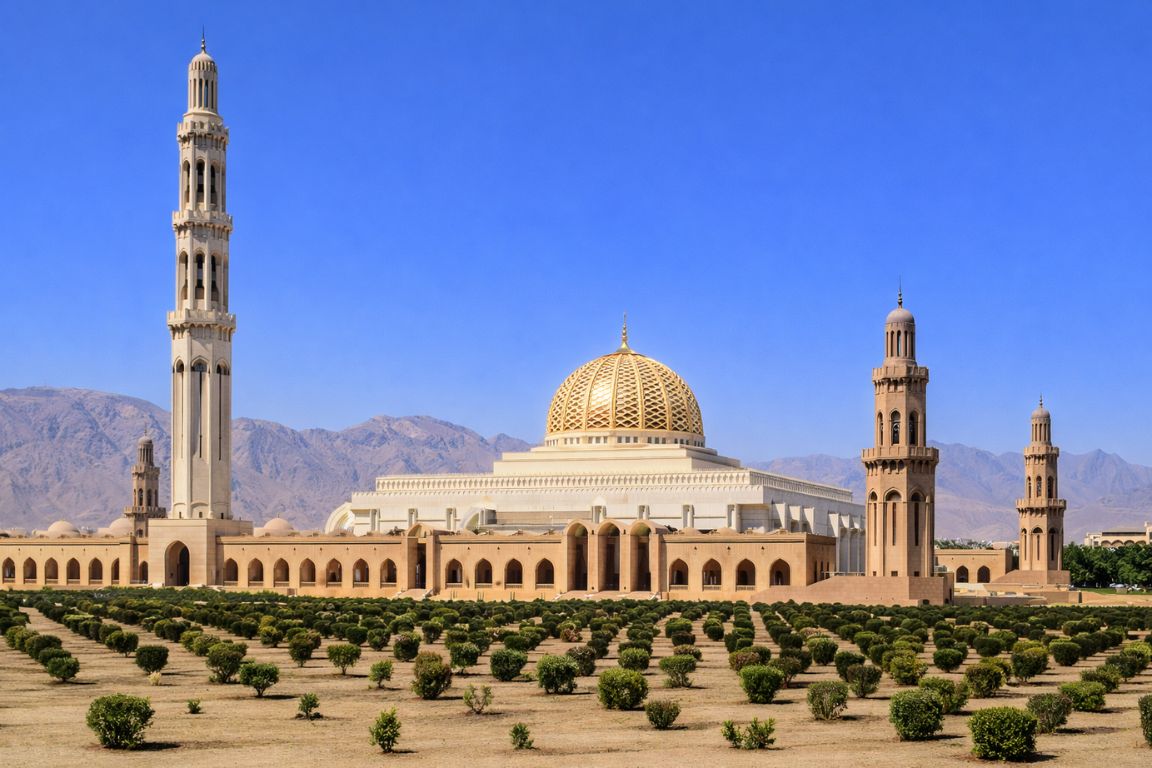 Most major tourist attractions remain open during Ramadan with adjusted hours. The pattern is broadly: morning opening, a midday or early-afternoon closure, then reopening from late afternoon or evening through to 10pm or later. Malls and markets extend their evening hours significantly. The Sultan Qaboos Grand Mosque keeps its standard non-Muslim visiting window of 8-11am Saturday to Thursday. Government offices and banks operate 9am-2pm. Always verify hours directly with attractions rather than relying on Google Maps, which is unreliable for Ramadan schedules.
The sightseeing disruption during Ramadan is less significant than most travelers expect. Oman’s main attractions are largely outdoor or semi-outdoor – forts, wadis, beaches, markets, mosques. None of these close entirely for the month. The practical adjustment is mostly about the midday pause in some commercial attractions and the shift in the souqs to evening-heavy activity.
Confirmed Ramadan-period opening hours for key Muscat attractions (verify before visiting as these can shift year to year):
Sultan Qaboos Grand Mosque: 8am to 11am, Saturday to Thursday. Closed Friday as normal. No change to the tourist visiting window. Royal Opera House: approximately 10am to 3pm, Saturday to Thursday. Muttrah Souq: roughly 9am to 1pm, then 4pm to 11pm Saturday to Thursday; similar split on Fridays with some variation. Expect individual shops to close around Iftar time for 30-45 minutes before reopening. Nizwa Fort: 8am to 6pm weekdays, split hours on Friday. Nizwa Souq: similar split pattern – morning session, afternoon closure, strong evening session. Oman Across the Ages Museum: approximately 10am to 5pm weekdays, afternoons only on Friday.
The evening market atmosphere in Ramadan is actually better than any other month. Mutrah Souq after dark during Ramadan is decoratd with lights and lanterns, vendors are in good spirits, the stalls are open late, and families browsing for Eid gifts add a warmth to the market that is absent in December or January. If you are planning to visit the souq, Ramadan evenings are the time to do it.
One practical note on driving: traffic in Muscat increases sharply in the 30-60 minutes before Iftar as fasting drivers rush home or to their chosen Iftar location. The 30 minutes before sunset is not the time to be in the car if you can avoid it. Plan to be parked at your destination or back at your hotel before this period begins.
We’ve created a detailed Sultan Qaboos Grand Mosque guide because this stunning mosque has specific entry requirements and timing restrictions that can ruin your visit if you don’t know them in advance.
What Are the Best Things to Do in Oman During Ramadan?
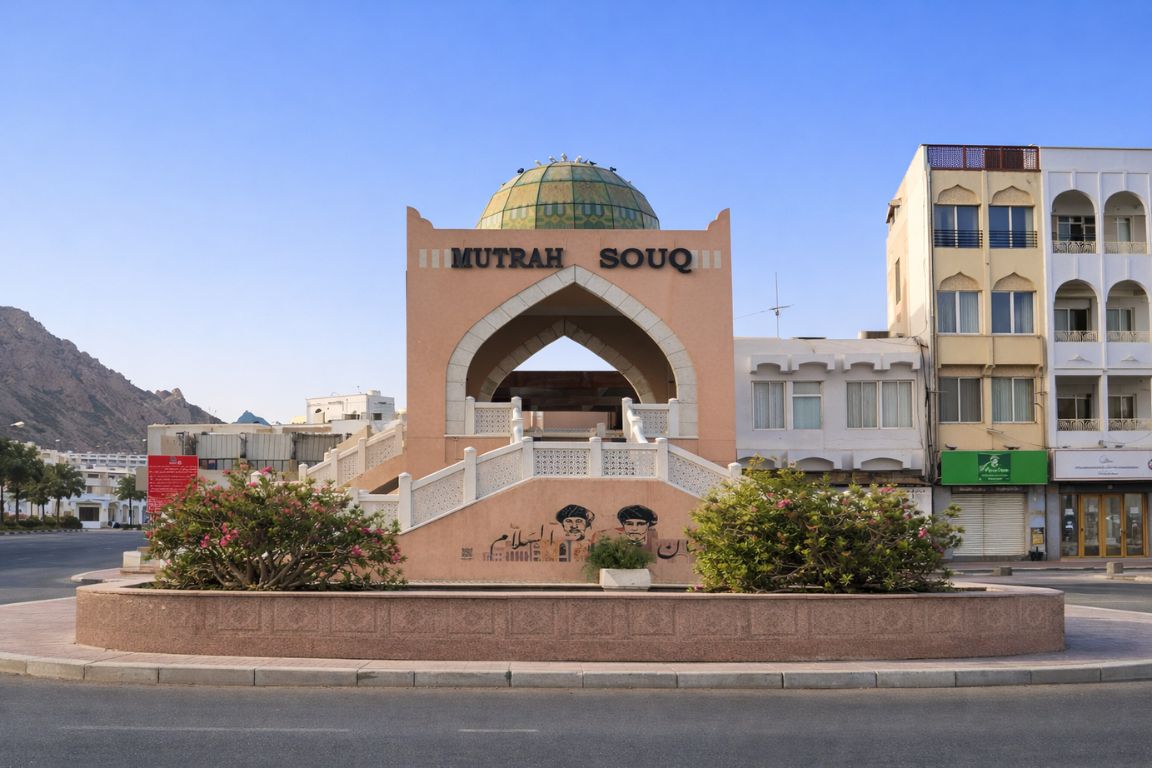 The best Ramadan activities in Oman lean into the month rather than trying to work around it. Book an Iftar buffet at a major hotel for the full traditional meal experience. Walk the Mutrah Corniche after Iftar for the evening atmosphere. Visit Mutrah Souq in the evening when it is at its most festive. Do early morning sightseeing (7-11am) for quiet attractions. Take advantage of fewer tourists at popular day-trip sites. Use the quiet daytime to visit wadis and beaches without crowds.
The early morning window is genuinely excellent during Ramadan. The Sultan Qaboos Grand Mosque at 8:15am during Ramadan has fewer tour groups than the same time in January. Wadi Shab on a Ramadan morning is quieter than peak season. Historic forts are peaceful. The combination of fewer international tourists (some specifically avoid Ramadan) and the local population resting means many outdoor sites have a quality of solitude that is rare in the peak winter months. One traveler’s account describes visiting Nakhal Fort during Ramadan and having it essentially to herself – a genuinely different experience from the December crowds.
The Iftar buffet at a good hotel is one of Oman’s distinctive Ramadan experiences and is explicitly open to non-Muslim tourists. The Al Bustan Palace Ritz-Carlton, Mandarin Oriental Muscat, Crowne Plaza OCEC, and Grand Millennium all run well-regarded buffets from approximately sunset (around 6-6:30pm in February-March) until 8:30-10pm. For travelers who want maximum cultural immersion, the Mandarin Oriental’s Rawya includes live Oud music alongside Omani seafood and halwa. Budget upward from 18 OMR per person. Book ahead – popular venues fill quickly in the days before Eid.
The Mutrah Corniche after 8pm during Ramadan is one of our favourite experiences to share with clients. Families walking in their finest outfits, children chasing each other around the lanterns, the smell of frankincense from shops that have just reopened after Iftar, karak tea sellers doing strong business, and the harbour lights reflecting off the water. It requires no booking and costs nothing. It is available only during Ramadan. If you want to see what Omani social life looks like at its most gathered and generous, this is the time and place.
What Our Travelers Report About Visiting Oman During Ramadan (2026 Data)
| Metric | Data (from our guided groups) | Notes |
|---|---|---|
| % who said Ramadan evenings exceeded expectations | 80-90% | Post-Iftar atmosphere (Corniche crowds in festive clothes, lanterns, frankincense, karak tea, family gatherings) often described as “magical,” “authentic,” “highlight of Oman”; far exceeds pre-trip expectations of “quiet/restricted.” |
| Most common daytime challenge reported | Feeling hungry/thirsty during the day (or limited restaurant/café access) | Daytime fasting observance means no public eating/drinking; many attractions/restaurants reduced hours or closed until Iftar; common complaint is “hard to stay hydrated” or “limited food options midday” (solved by hotel breakfasts and early/late timing). |
| % who attended an Iftar buffet | 65-80% | Very popular when available (major hotels like Al Bustan, Mandarin Oriental, Crowne Plaza); cultural immersion, lavish spreads, live music; high uptake among guided groups (often booked as part of evening program). |
| Most popular Ramadan evening activity (Iftar / Corniche / Souq) | Corniche walk (after Iftar) | Mutrah Corniche post-Iftar tops rankings: festive, free, vibrant, family-oriented; Iftar buffets second; Souq visits third (bustling evenings); Corniche often called “must-do” for authentic Omani social life. |
| % who would visit Oman during Ramadan again | 75-90% | High repeat intent: evenings “exceeded expectations,” unique cultural immersion, quieter days for sightseeing; many say “would love to return during Ramadan” for the atmosphere (despite daytime adjustments). |
| Most common rule misunderstanding on arrival | Thinking you can eat/drink discreetly in public | Many assume “low-key snacking” or sipping water is fine in tourist areas; reality is strict (public eating/drinking prohibited, even discreetly); common arrival confusion leads to reminders from guides/hotels. |
Where Tourists Go Wrong During Ramadan in Oman
The mistakes are consistent enough to name directly.
Eating or drinking visibly in public. This is the most common and most consequential error. Travelers who buy a bottle of water at the Grand Mosque gift shop and drink from it while walking across the courtyard, or who eat a granola bar while exploring Mutrah Souq, are breaking Omani law. The enforcement reality is that most offenses go unremarked upon in tourist areas, but the risk is real and the legal penalty is serious. The smart approach is not to test where the line is. Eat before you leave the hotel. Drink at the hotel. Plan your day around this structure.
Not checking hotel Iftar booking requirements. Popular Iftar buffets at major Muscat hotels book out in the final week before Eid. Travelers who decide on the day they want to attend an Iftar at Al Bustan Palace or the Mandarin Oriental often find availability gone. Book 3-5 days ahead for major hotels; 1-2 days for mid-range options.
Underestimating the pre-Iftar traffic surge. The 30-40 minutes before sunset during Ramadan is the most congested road period in Muscat. Travelers who plan to be driving during this window – returning from a day trip, heading to a dinner reservation – routinely arrive late. Build an extra 30 minutes into any arrival plan during this period.
Expecting normal entertainment options. Live music in public spaces is restricted during Ramadan, as is playing loud music from vehicles. Bars and nightclubs in hotels either close entirely or operate on severely reduced schedules until after Iftar. If your trip includes evenings focused on bar-hopping or live music venues, Ramadan is genuinely the wrong time. The hotel room minibar, an Iftar buffet, and the evening souq culture are the entertainment alternatives.
Visiting on or immediately after Eid without checking closures. The 2-3 days of Eid Al Fitr immediately after Ramadan involve widespread business closures, heavy domestic travel, and full hotels in resort areas. Travelers who arrive in Oman on Eid Day 1 expecting normal service levels at attractions, restaurants, and transport are routinely surprised. Build flexibility into the first two days after Ramadan ends.
Need guidance on respectful behavior? Our Oman Muscat tours cultural etiquette guide covers what tourists should know about greetings, dress, photography, religious sites, and social norms.
Should You Visit Oman During Ramadan?
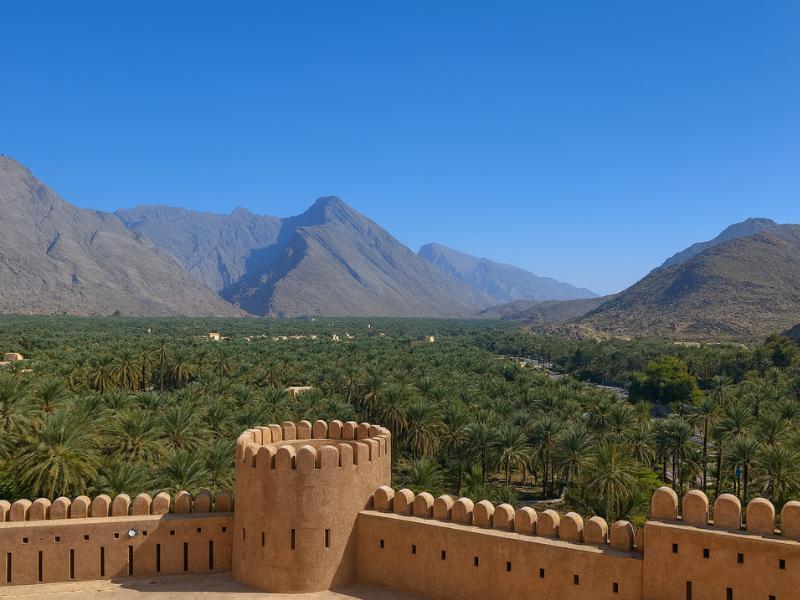
Yes, if you are genuinely curious about Islamic culture and willing to adjust your schedule around the daylight restrictions. No, if unrestricted daytime dining is important to your travel style, or if you are primarily interested in Oman’s bar and nightlife scene. The honest middle ground: Ramadan requires real adjustments that some travelers find no problem at all, and others find more disruptive than they anticipated. The evenings are excellent. The daytime requires planning. The total experience is something you cannot get in any other month.
The case for visiting during Ramadan has three elements. The weather in February and March (when Ramadan has fallen in recent years) is genuinely good – warm, clear, with comfortable evenings. Tourist numbers are lower than the December-January peak, meaning major attractions are quieter and hotels are more available. And the cultural experience of Ramadan evenings in Oman is something that regular tourist-season visits simply cannot replicate. The Mutrah Corniche decorated with lanterns and full of families at 9pm, the cannon at Iftar, the specific Ramadan foods available only in this month – these are things that put Oman on a different level of cultural depth for travelers who are open to them.
The case against is equally honest. Daytime dining options are severely restricted to hotel restaurants. The slower pace of life means some services take longer than usual. Alcohol availability is reduced even for those who’d normally have a beer with dinner. For a traveler who treats meals as central to their experience of a destination – who wants to spontaneously stop at a roadside café, buy food from a market stall and eat it on a bench – Ramadan Oman is a genuine frustration that no amount of evening compensations fully addresses.
If your trip is 3-4 days focused on Muscat, Ramadan is entirely manageable: a half-day private city tour covers the daytime sights, and the evenings still do the rest. If your trip is 10-14 days including desert camping, wadi day trips, and mountain driving where restaurant stops are part of the rhythm, the logistics are more challenging and require careful planning around hotel accommodation with daytime dining options at each stop.
Want to get the planning right? This breakdown of how to plan a trip to Oman Muscat tours covers all the details most visitors only figure out after they’ve already arrived and realized the country is way more spread out than they thought.
Frequently Asked Questions
Can tourists eat and drink during Ramadan in Oman?
In public, no. Eating, drinking, and smoking in any public space during daylight hours is illegal under Article 277 of the Omani Penal Code and applies to tourists and non-Muslims equally. The penalty is imprisonment for 10 days to 3 months. In your hotel room, in hotel restaurants (which operate behind screens), or in private enclosed spaces out of public view, yes. Supermarkets stay open and you can buy food to eat in private.
When is Ramadan 2026 in Oman?
Ramadan 2026 ran from approximately 17 February to 18 March 2026, with Eid Al Fitr falling around 19-20 March. Ramadan 2027 is expected from approximately 7 February to 8 March 2027. Exact dates are confirmed only upon official moon sighting and can shift by a day in either direction.
Are restaurants open during Ramadan in Oman?
Most local restaurants and cafés are closed during daylight hours and reopen at Iftar (sunset, roughly 6-6:30pm in February–March). Hotel restaurants remain open but often operate behind partitioned areas for non-fasting guests. After Iftar, all restaurants reopen and many offer special Ramadan menus and buffets. The evening dining scene is excellent during Ramadan.
Is alcohol available during Ramadan in Oman?
Yes, but only in licensed hotel bars and restaurants and only after Iftar. The Chedi Muscat, for example, serves alcohol from 7pm onwards during Ramadan. Hotel minibars are typically stocked. Off-licenses (shops selling alcohol to residents with permits) close entirely during Ramadan. Airport duty-free operates with variable hours but is generally open. Alcohol is not available in public bars or non-hotel restaurants at any time in Oman.
What is Iftar and can tourists attend?
Iftar is the meal breaking the daily fast at sunset. Major hotels in Muscat offer Iftar buffets that are explicitly open to non-Muslim tourists, typically running from sunset until 8:30-10pm. Prices start from around 18-29 OMR per person at major venues. Popular hotels like Al Bustan Palace, Mandarin Oriental, and Crowne Plaza book out toward the end of Ramadan – reserve 3-5 days ahead.
Is Oman worth visiting during Ramadan?
Yes, with appropriate expectations. The evenings are festive, the Iftar food culture is unique to this month, tourist numbers are lower than peak season, and February-March weather is comfortable. The adjustment required is real: no public daytime eating or drinking, reduced restaurant access during the day, quieter entertainment options in the evenings. Travelers who embrace the different rhythm usually rate it as one of their most memorable Oman experiences. Those who want unrestricted dining throughout the day should visit outside Ramadan.
Written by Omar Jackson Al-Kalbani
Omani tour guide since 2013 · Founder, Oman Muscat Tours
Omar has guided over 7,700 travelers through Muscat, the wadis, and the deserts of Oman since founding the agency.
Choose the outing, then check your date
Evening Muscat Group Tour
Ramadan rewards a shifted schedule.
3.0 hours · Bottled water; Air-conditioned vehicle
Choose a date to view the published schedule checked 9 September 2026. Final availability and price are confirmed on Viator.
Compare options and match my plans
Not recommended for travelers with spinal injuries; Not recommended for pregnant travelers; Not recommended for travelers with poor cardiovascular health; Suitable for all physical fitness levels Extras: Ramssa Omani Restaurant. Pickup: Airport Muscat port Hotels
- Authentic Omani Home Dining · 3.0 hours. Experienced guide
- Half-Day Private Muscat City Tour - Top Landmarks in Just 4 Hours · 4.0 hours. Bottled water; Omani Tour Guide English Speaking
Compare your group costs
Enter complete quotes in the same currency, including transport, tickets and extras. These are your estimates, not live prices.