Best Month to Visit Oman
Best time to visit Oman? October-November offer perfect weather and fewer crowds, while winter is peak season - here’s when to go and when to avoid.
Last updated: April 12, 2026
November is the best all-round month, while the right paid experience changes with the season: desert in the cooler north, marine trips in warmer months, and Salalah during Khareef. Match A Tour To Your Month ↗
Best Month to Visit Oman: At a Glance
| January | 25°C / 17°C | Peak (Muscat Festival) | Excellent weather, busy, expensive. Best for whale sharks and mountain visits. |
| February | 26°C / 18°C | Peak | Ideal temperatures. Most rain (still very little). Highest hotel prices. |
| March | 29°C / 21°C | Shoulder | Underrated sweet spot. Jebel Akhdar roses blooming. Warm but not hot. |
| April | 35°C / 26°C | Shoulder (warming) | Good in early April; hot by the end. Lower prices, fewer crowds. |
| May | 40°C / 29°C | Off-season (heat building) | Too hot for most outdoor activity. Cheapest prices. Turtle season starts. |
| June | 40°C / 31°C | Off-season (extreme) | Avoid Muscat. Salalah Khareef begins. Whale sharks at Daymaniyat. |
| July | 38°C / 31°C | Off-season / Salalah peak | Muscat dangerous heat. Salalah Khareef peak – green mountains, busy. |
| August | 37°C / 31°C | Off-season / Salalah peak | Same as July. Turtle hatching at Ras Al Jinz. Hottest for north. |
| September | 36°C / 28°C | Shoulder (cooling) | Still hot but easing. Best whale shark diving. Low prices, few tourists. |
| October | 33°C / 24°C | Shoulder | Excellent overall. Good weather, lower prices, Wahiba Sands optimal. |
| November | 29°C / 21°C | Shoulder / early peak | Best overall month. Perfect temperature, low crowds, pre-peak prices. |
| December | 27°C / 19°C | Peak | Excellent weather. Muscat Festival. Christmas and New Year crowds and prices. |
Temperature averages based on WMO 1991-2020 climate data for Muscat. Salalah temperatures differ significantly – see section below. Verified March 2026.
What Is the Best Month to Visit Oman?
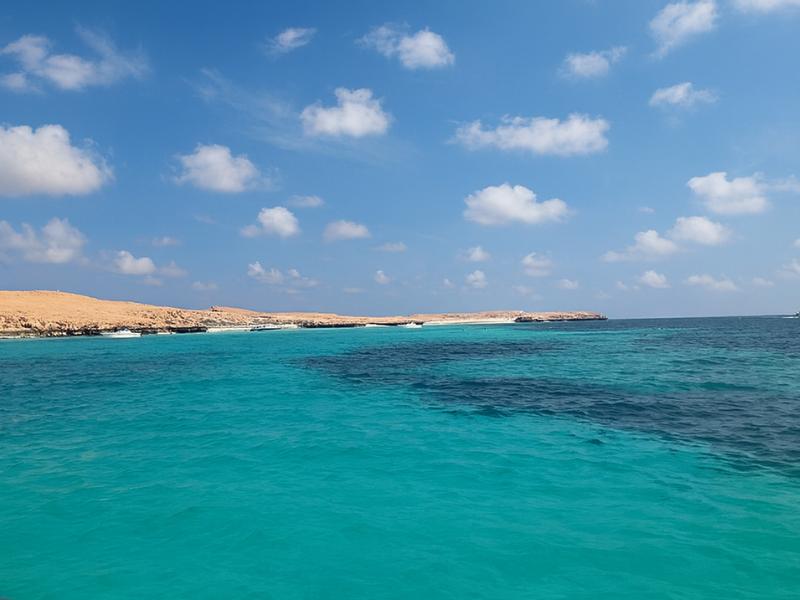
November is the single best month to visit Oman for most travelers. Temperatures in Muscat sit at a comfortable 21-29°C, the seas are calm for diving and boat trips, the desert is at its most accessible, and prices have not yet hit the December-February peak. October runs it close and offers the same advantages with marginally warmer temperatures. March is the best month for visitors who want similar conditions but at lower prices still, with the bonus of the Jebel Akhdar rose season.
Oman is not a destination with one universally correct answer to this question. It has two distinct climate zones – the arid north including Muscat, and the subtropical south including Salalah – that peak at completely different times and offer completely different experiences. A traveler whose priority is the Khareef monsoon in Salalah should plan for July and August. A traveler whose priority is whale shark swimming at the Daymaniyat Islands should consider September. A traveler who wants the best combination of weather, accessibility, and value across the whole country should go in November.
What most travel guides understate is the difference between “when the weather is best” and “when the experience is best.” December through February has the best average temperatures for Muscat. But it also has the highest prices, the most booking competition for desert camps, and the Muscat Festival crowds in January that double the activity level in the capital. November delivers nearly identical temperatures with none of those pressures. That’s the practical argument for it above all other months.
We’ve mapped out how to plan a trip to Oman Muscat tours based on what actually matters – avoiding summer heat, deciding on rental cars, and understanding which sights need guided access.
What Is Oman Like Month by Month?
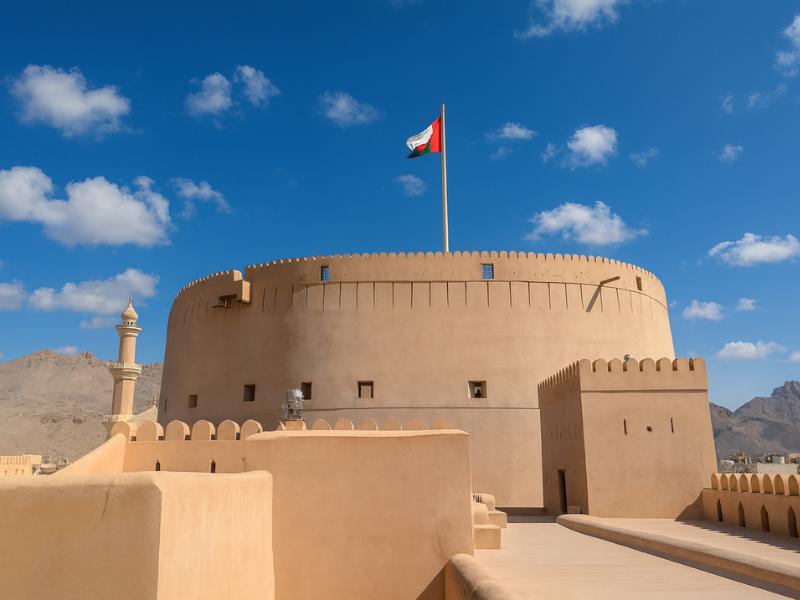
Oman has a clear pattern: October through April is the comfortable visitor window, with peak season running December through February. May through September is the hot season when temperatures in Muscat regularly exceed 40°C and outdoor activity becomes difficult or dangerous. The exception is Salalah in the south, which has its own monsoon season (Khareef) from late June through early September that makes it the only place in the Arabian Peninsula with cool, misty, green conditions in summer.
January and February are the coolest and most comfortable months in Muscat (25-26°C high, 17-18°C low). January hosts the Muscat Nights Festival, which ran from January 1 to early April 2026, drawing over 1.7 million visitors across multiple city venues. February is the wettest month in Muscat – still very dry by global standards (25mm average), but the most likely time for brief refreshing showers. Hotel prices are at their seasonal peak. Book 3-4 months ahead for December-February stays at popular properties.
March and April are the transition months. March is arguably the most underrated month for visiting Oman. Temperatures in Muscat are warm rather than hot (29°C high), prices are noticeably lower than February, and the Damask rose season in Jebel Akhdar reaches its fragrant peak around late March to early April. The terraced mountain villages fill with the scent of roses, the local rosewater distilleries are running, and the crowds are a fraction of the winter peak. Audley Travel’s Oman specialist specifically nominates mid-March as their personal favourite time. By April, temperatures are climbing toward 35°C and getting hot by the end of the month. Early April is still viable; late April is pushing it.
May through September is the hot season in the north. May touches 40°C, June peaks at 40-42°C with high humidity on the coast. July and August are the hottest months, with interior regions regularly exceeding 45°C and occasional readings above 50°C in the desert. Outdoor activity is essentially impossible in the midday heat. The Muscat experience in July involves moving between air-conditioned environments. This is when hotels offer their lowest prices, and budget travelers who can handle the heat (and stick to early morning and evening outdoor activity) can find good value. The one exception within Oman: Salalah. The same southwest monsoon that makes July unbearable in Muscat brings cool temperatures (20-27°C), mist, and green mountains to Salalah. The Khareef season runs late June through early September and transforms the Dhofar mountains into something unlike anything else on the Arabian Peninsula. It is genuinely beautiful. It is also extremely busy and fully booked.
October and November are the best shoulder months. October sees temperatures dropping back to 33°C in Muscat – comfortable for day trips, wadi swims, and desert camping. November reaches 29°C and is essentially perfect: warm days, cool evenings, calm seas, and prices that haven’t yet climbed to the December peak. This is the window our team recommends to travelers who ask for the “best overall month” without a specific activity agenda, and the usual next step is a look at desert tours from Muscat. Tourism numbers are building but haven’t hit their January peak. Desert camps have availability. Hotel rates are reasonable. The Wahiba Sands in November is a genuinely exceptional experience.
December delivers excellent weather (27°C high, 19°C low) and hosts the Muscat Festival through January. The Christmas and New Year period brings the highest hotel prices of the year and requires advance booking. Families visiting from Europe and the GCC flood in during school holidays. December 18 is National Day – a nationwide celebration that creates a festive atmosphere but also transport and hotel pressure. The weather is as good as it gets; the logistics are their most challenging.
What Is the Best Time to Visit Oman for Weather?
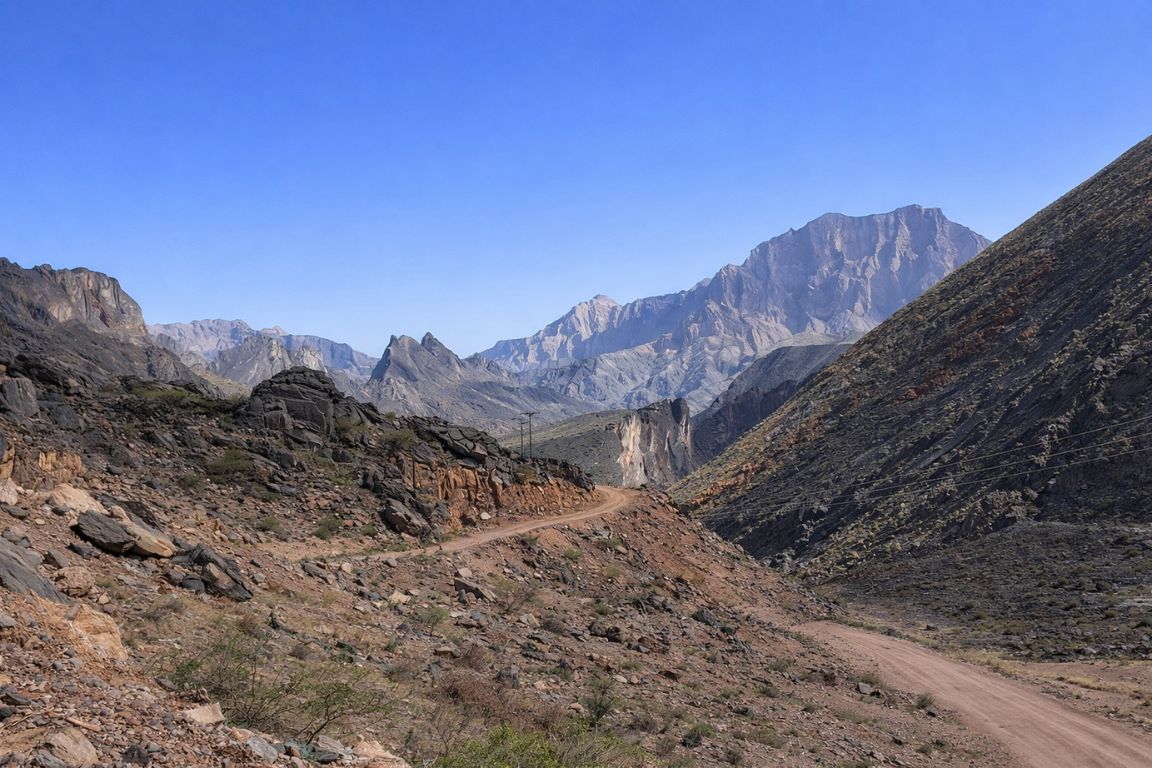 December through February delivers Oman’s most comfortable temperatures: Muscat highs of 25-27°C, cool evenings, flat seas, and bright clear skies. November and March are only marginally less ideal (28-30°C) but noticeably cheaper and less crowded. For Salalah specifically, the best weather is the opposite: the Khareef monsoon from late June to early September brings the cool, green, misty conditions that make it unique. Outside Khareef, Salalah is hot and dry.
Oman’s climate is one of the most reliable in the world for travel planning. The northern and central regions don’t have weather surprises between November and March. You are not packing rain gear. You are not planning around storm systems. The temperature data for these months is as predictable as it comes: warm days, cool evenings, virtually no precipitation, long sunshine hours. The mountain regions at elevation (Jebel Akhdar, Jebel Shams) are noticeably cooler than the coast and can require a jacket at night even in January.
The one genuine weather risk for the entire October-April window is the occasional tropical cyclone. The Arabian Sea cyclone season runs April through June and again October through November. Cyclones are rare but not unprecedented: Oman was hit by Gonu in 2007, Phet in 2010, Keila in 2011, Mekunu in 2018, and Shaheen in October 2021. The risk is real enough to purchase travel insurance for any Oman trip, but low enough that it should not change your travel planning. Most years the October-April window passes without incident.
For the Hajar Mountains: cooler than the coast at any time of year. Jebel Akhdar sits at 2,000 metres and can be genuinely cold at night in January and February – 5-10°C is possible. A fleece or light jacket is needed even in “winter.” Jebel Shams at 3,009 metres occasionally sees frost. These are the only places in Oman where warm clothing is a meaningful consideration.
Wondering when to go? Check out the best time to visit Oman Muscat tours – summer is brutally hot while winter gives you perfect weather for desert camping and wadi exploring.
What Is the Best Time to Visit Oman for Avoiding Crowds?
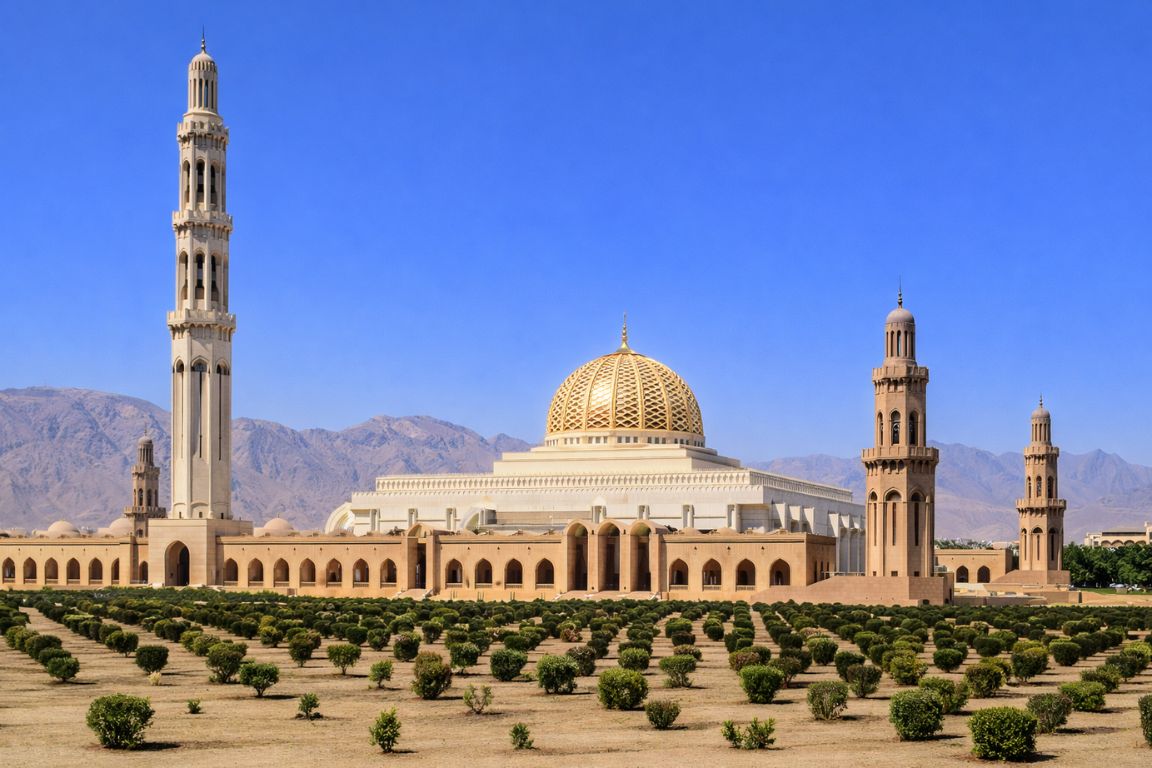 October and November offer the best combination of good weather and manageable crowds. September is the emptiest comfortable month. April and early May have minimal tourists and acceptable weather in the mornings. The worst months for crowds in the north are December through February (peak season), with November 18 National Day creating a particularly busy weekend nationwide. Salalah is most crowded during July and August Khareef season.
Oman is genuinely less crowded than most comparable destinations even at peak season. Hotel guest numbers rose 11% through November 2025 as the country’s tourism profile grows, but it has not reached the saturation point of, say, Dubai or Jordan’s Petra. You can visit the Sultan Qaboos Grand Mosque at 9am on a January morning and still have a reflective experience. The Wahiba Sands on a Tuesday in December is quiet. The Daymaniyat Islands rarely feel overcrowded even in peak season.
That said, the crowd differential between peak and shoulder is real enough to matter in specific contexts. The Sultan Qaboos Grand Mosque between 9am and 11am in January genuinely fills with tour groups. Popular desert camps in the Wahiba Sands book out on weekends from November through February. Wadi Shab on a Friday during peak season requires patience at the boat crossing point. None of this is bad by global tourism standards, but if you are after solitude, October, November, and March deliver it more easily than December through February.
Need the full breakdown? Our Sultan Qaboos Grand Mosque guide walks you through dress code requirements, photography rules, guided tour options, and when non-Muslims are allowed to visit.
The National Day weekend around November 18 is worth noting specifically. It creates a 3-4 day holiday when Omani families travel domestically, putting pressure on popular camping spots, coastal hotels, and scenic viewpoints. If your trip falls on that weekend, either plan it into your experience (the celebrations are genuinely festive) or arrive the week before and leave before the 18th.
What Is the Best Time to Visit Oman for Wildlife?
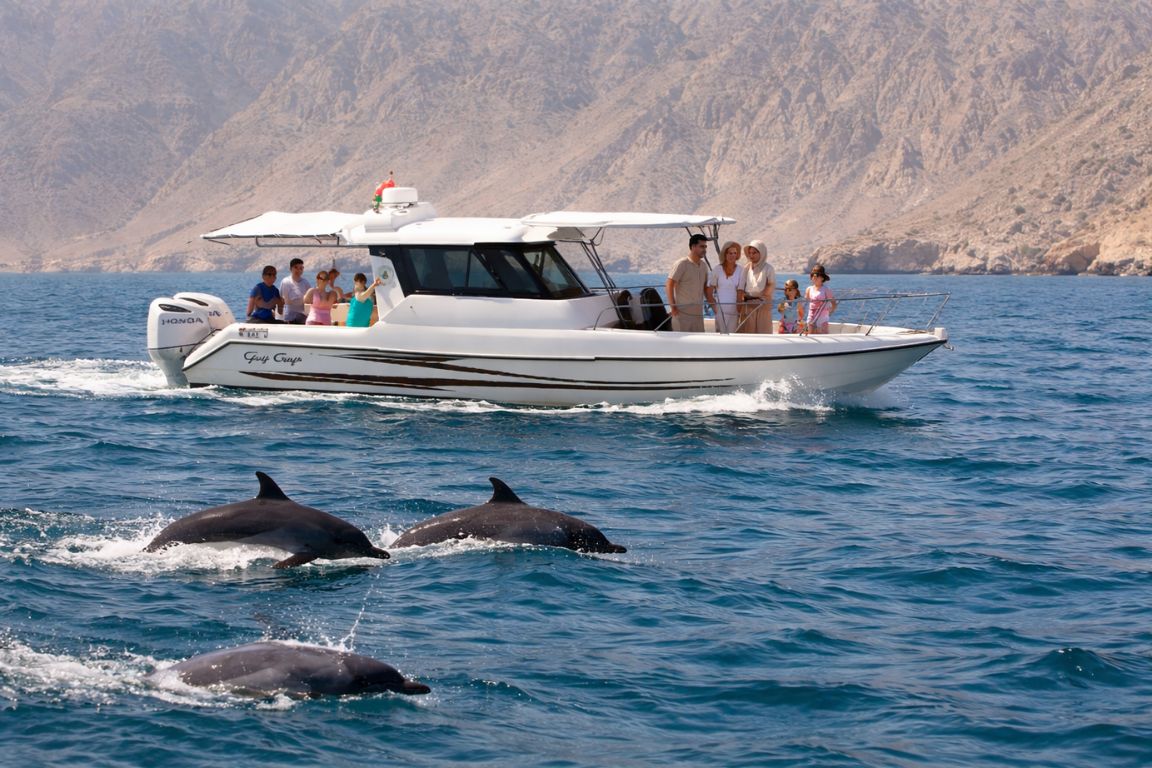 There is no single best month – Oman’s wildlife calendar is spread across the year by region and species. For turtles at Ras Al Jinz: May through September (nesting), July and August for both nesting and hatching. For whale sharks at the Daymaniyat Islands: July through September, with September-October giving the best visibility. For spinner dolphins off Muscat: year-round. For Salalah migratory birds: summer through early autumn. For winter whale sightings from Muscat: October through February.
The turtle situation at Ras Al Jinz deserves specific attention because it inverts the standard “avoid summer” advice. Ras Al Jinz is one of the world’s most important green turtle nesting beaches, and the peak nesting and hatching season runs May through September. Official guided tours run at night and pre-dawn. This means that the months when Muscat is uncomfortably hot are precisely the months when the turtle experience is best. Travelers who visit specifically for turtles should plan for June, July, or August – accept the heat in Muscat, base in a coastal hotel near Sur, and do turtle tours in the cool night hours.
Whale sharks at the Daymaniyat Islands have a more nuanced calendar than most articles suggest. Different operators give different windows – some cite June to October, others July to September, and some September to November. The most reliable window appears to be July through September for frequency of sightings in groups. September and October add the benefit of improved water visibility as temperatures drop slightly. The key practical constraint: the Daymaniyat Islands are closed for landing between May and October (turtle nesting), so summer whale shark tours run as boat and snorkelling trips without beach stops.
For the best all-round marine experience at the Daymaniyat Islands including beach landings, island exploration, turtle encounters in the water, and good visibility: November through April is the window. February is cited by multiple experienced divers and snorkellers as a personal favourite for the combination of clear water and calm seas.
Curious about coastal wildlife? Our guide on dolphin watching in Oman Muscat tours covers which operators to book, when dolphins are most active, and what the tours actually include.
| Green turtle nesting | May-September | Ras Al Jinz | Night/pre-dawn tours. Accept the heat in the north. |
| Turtle hatching | July-September | Ras Al Jinz | Hatchlings appear ~2 months after nesting |
| Whale sharks (snorkelling) | July-October | Daymaniyat Islands / Muscat coast | Peak frequency July-Sep; best visibility Sep-Oct |
| Spinner dolphins | Year-round | Muscat coast (Bandar Al Rowdha) | Resident population; 8am tours year-round |
| Humpback whales / Bryde’s whales | October-February | Muscat coast | Opportunistic sighting from dolphin tours |
| Daymaniyat Islands (full experience) | November-April | Daymaniyat Islands | Beach landing allowed; clear water; turtles visible underwater |
| Salalah migratory birds | July-September | Dhofar / Salalah region | Khareef season. Coincides with green mountains. |
| Jebel Akhdar roses | Late March-early April | Jebel Akhdar | Damask rose harvest and rosewater distillation |
Wildlife calendar verified March 2026 against operator and conservation sources.
What Is the Best Time to Visit Oman on a Budget?
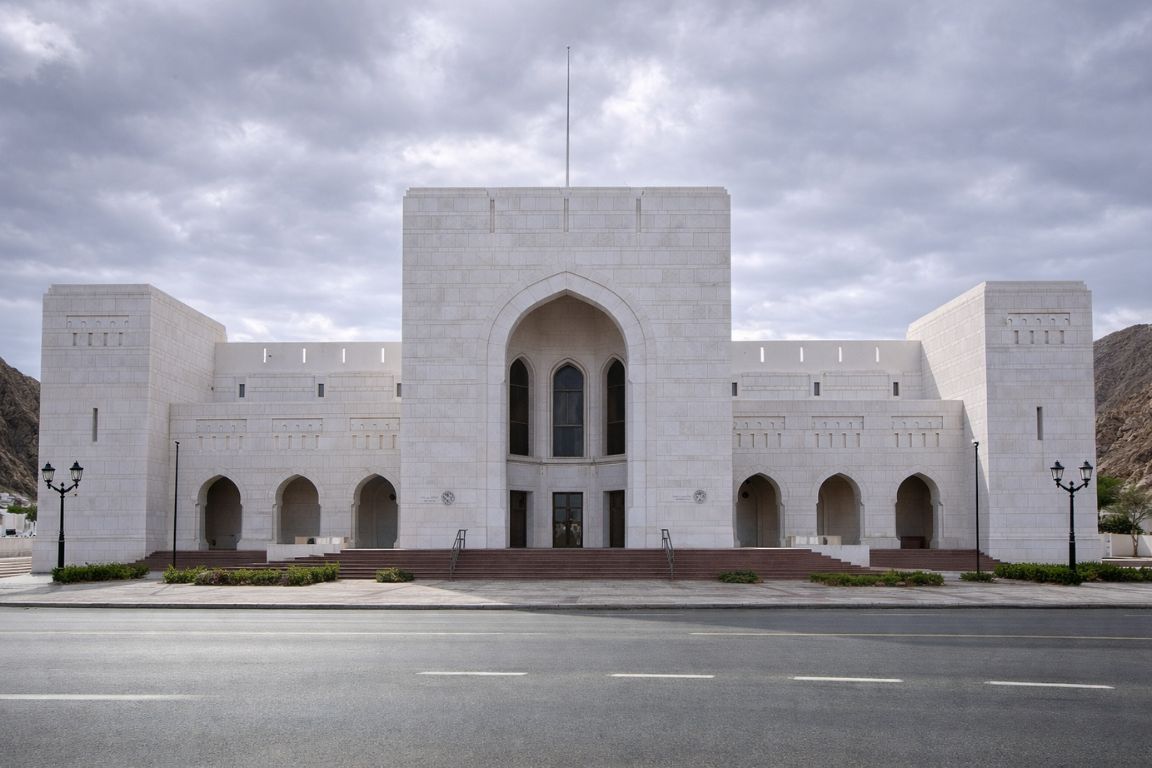 May through July offers the cheapest hotel prices in Oman, with accommodation costs significantly lower than the November-February peak window. The trade-off is extreme heat. September and October deliver a genuinely useful middle ground: hotels are cheaper than peak season, the weather is returning to comfortable levels, and whale shark season is at its best. April is also good value with pleasant mornings and low prices before the heat arrives.
The price differential between peak and off-season in Oman is real but not as extreme as in some markets. A 5-star hotel in Muscat that costs $300 per night in December might drop to $180 in June. The savings are meaningful. The question is whether the heat makes the savings worth it. For travelers who can structure days around early morning activity (6-10am) and evening activity (5pm onwards), with the midday hours spent in air-conditioned hotels, restaurants, or malls, the summer can be done. The Oman Museum, the National Museum, mall visits, souq browsing in the early evening – these are all viable summer activities in Muscat. Outdoor wadis, desert camping, and mountain hiking are not.
September is the hidden value month. Prices are still low (close to summer rates), the temperature has dropped to 36°C from the 40°C+ peak, and the whale shark season at the Daymaniyat Islands is running. Expedia data confirms May to July as the cheapest accommodation window, with Mondays being the cheapest individual day to book. The Muscat Nights Festival (January through early April in 2026) runs in a period of peak pricing, so budget-focused travelers should either book well ahead or plan for the shoulder periods around it.
Ramadan timing affects the budget calculation in a less obvious way. During Ramadan (dates shift approximately 10 days earlier each year; March 2026 was the most recent), some restaurants operate reduced hours or close for daytime service, some attractions have modified schedules, and public behaviour norms around eating and drinking in public are enforced. Hotel rates do not typically drop during Ramadan. The experience is different, sometimes memorably so, but the logistics require awareness.
Planning your Gulf trip finances? Here’s our complete Oman Muscat tours travel budget so you know what’s expensive, what’s surprisingly cheap, and where you can save without sacrificing experiences.
Which Month Should You Avoid Visiting Oman?
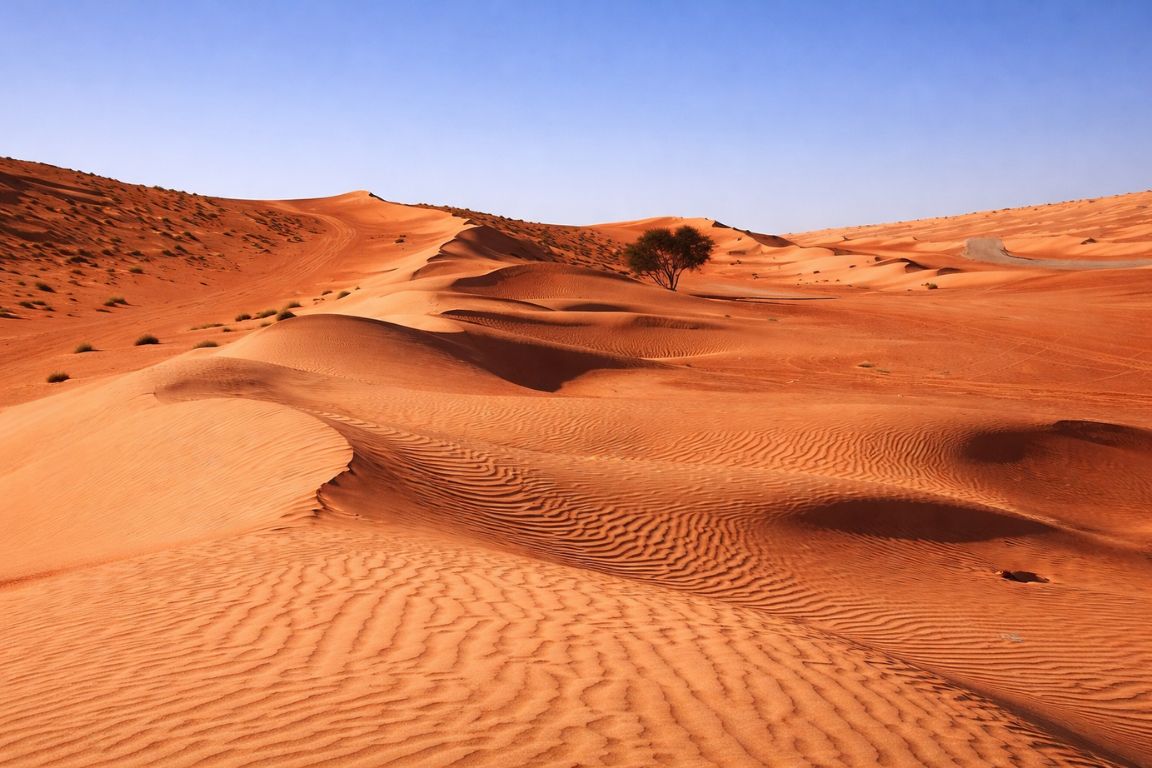 June, July, and August are the months to avoid if you are visiting Muscat, the Wahiba Sands, or any northern/central Oman destination. Temperatures in Muscat average 40°C+ during the day with high humidity. Interior desert regions regularly exceed 45°C and can hit 50°C. Heat exhaustion and dehydration are genuine health risks. These are the worst months for outdoor Oman, with one specific exception: if you are going to Salalah for the Khareef, or to Ras Al Jinz for turtles, or to the Daymaniyat for whale sharks, summer has legitimate appeal.
The summer case needs to be said plainly because plenty of travelers underestimate it. Muscat at 40°C with 70% coastal humidity in July is not uncomfortable-but-manageable. It is physically dangerous for people who spend extended time outdoors. The tourist infrastructure – air conditioning in hotels, malls, and restaurants – works well, but getting between those places involves being outside. A 10-minute walk in July midday in Muscat will leave most people sweating through their clothing within two minutes. Outdoor markets, most wadi hikes, and desert camping during the day are not viable. The wadis that are gorgeous for swimming in November are hot, exposed, and potentially dangerous in August because flash floods from any inland rainfall can occur with no warning.
The one nuance is the distinction between northern and southern Oman. Salalah in July and August is genuinely different: the Khareef monsoon keeps temperatures at 20-27°C, the mountains are green, and the city is full of Omani families on holiday from the north. If Salalah during Khareef is your specific destination, July and August are your months. Just don’t add Muscat or the Wahiba Sands to the same trip without flying between them.
May is the border month. Early May in Muscat can still be managed with early starts and evening activity – temperatures are around 35-38°C. By late May the heat is consistently above 40°C and the summer pattern is established. If your only window is May, early May is workable; late May is not recommended for a primarily outdoor itinerary.
When Our Travelers Visit Oman (2025 Data)
| Metric | Data (from our guided groups) | Notes |
|---|---|---|
| Most popular month for bookings | December (or December-January combined highest) | Winter peak (cool, dry, holiday extensions, high international arrivals); December often edges January for Christmas/New Year travel. |
| % of clients who visit in peak season (Dec-Feb) | 55-65% | Dominant season (best weather, festivals, school breaks); highest volume, prices, crowds in Muscat/desert. |
| % of clients who visit in shoulder (Oct-Nov / Mar-Apr) | 25-35% | Shoulder sweet spot (mild weather, fewer crowds, good value); October-November and March-April often praised for balance. |
| Most common reason for summer visits | Salalah during Khareef (monsoon green season) | ~80-90% of summer bookings target Salalah (July–August mist, waterfalls, cooler 20-27°C); rare northern/central visits (heat risks). |
| % who said November was better than expected | 75-90% | November shoulder: mild weather (25-30°C), low crowds post-summer, pre-winter rush; often “perfect,” “surprisingly quiet,” “ideal for everything.” |
| Average advance booking window by season | Peak (Dec-Feb): 4-6 months; Shoulder (Oct-Nov/Mar-Apr): 2-4 months; Summer (Jun-Aug): 2-3 months (for Salalah Khareef) | Longer lead time in peak (hotels/camps sell out); shoulder more flexible; summer Salalah needs advance for flights/hotels during festival. |
Common Timing Mistakes Oman Visitors Make
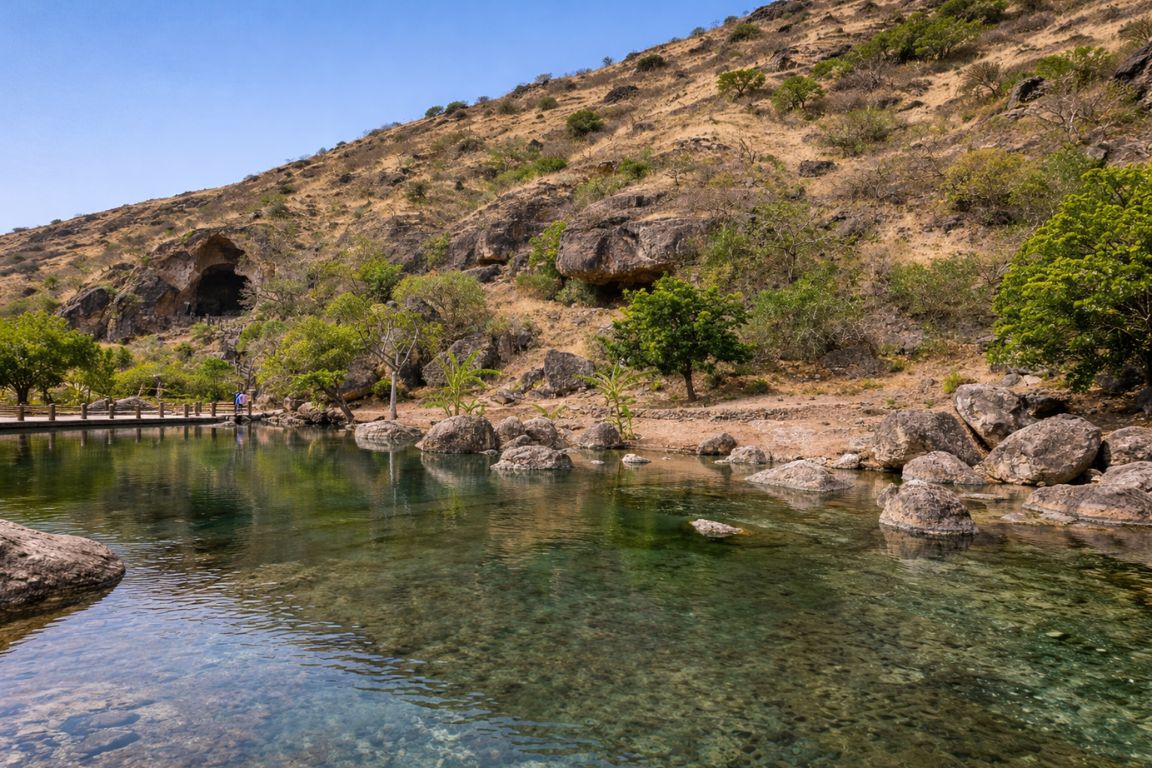 The same planning errors come up consistently across years of incoming inquiries and post-trip conversations.
Booking for December or January without accounting for lead time. December has the highest accommodation prices of the year and the most competition for the best desert camp spots, mountain lodges, and Muscat hotels. Travelers who decide in October to go in December often find their preferred properties unavailable or priced significantly above budget. Book 3-4 months ahead for winter stays.
Visiting the Daymaniyat Islands in the wrong window for the wrong reason. If you want beach landings and island exploration, you need November through April (May to October is closed for landing). If you want whale sharks, you need July through October. These two goals require different travel dates. Most articles about the Daymaniyat don’t say this clearly enough, and travelers arrive expecting both the beach and the whale sharks and get neither.
Planning an Oman road trip in summer without understanding the distance-to-heat ratio. The interior highway from Muscat to Salalah is 10 hours in an air-conditioned car. What it is not is 10 hours of stopping to see things. In July, every stop is a heat exposure event. Travelers who plan a summer road trip with multiple outdoor stops along Route 31 between Haima and Salalah find the experience much less enjoyable than the map suggested. Summer Oman road trips require planning every stop around timing (before 8am or after 5pm) and infrastructure (petrol stations with shade, not scenic viewpoints).
Underestimating how much Ramadan changes the experience. Ramadan in Oman is not a travel obstacle but it does require adjustment. Restaurants close during the day or serve behind screens. Some attractions have reduced hours. Public eating and drinking draws social disapproval. The evenings after Iftar are vibrant and welcoming. Travelers who plan a foodie trip or a wadi-swimming day with packed lunches during Ramadan daytime will have a frustrating experience. The same trip in the evening is excellent.
Not sure how Ramadan affects your trip? Here’s our complete breakdown of Ramadan travel in Oman Muscat tours – what closes, what stays open, and how to be respectful while still getting around.
Frequently Asked Questions
What is the best month to visit Oman overall?
November. It offers near-perfect temperatures in Muscat (21-29°C), calm seas, accessible desert and mountain conditions, and prices that haven’t reached the December-February peak. October is essentially equal and slightly warmer. March is the best alternative for travelers who want cooler shoulder pricing with good weather and the Jebel Akhdar rose season as a bonus.
Is December a good time to visit Oman?
Yes for weather and experience; more complicated for logistics and budget. December temperatures in Muscat (27°C high, 19°C low) are excellent. The Muscat Festival through January adds culture and entertainment. The downsides: highest hotel prices of the year, Christmas and New Year school holiday crowds from Europe and the GCC, and the need to book accommodation 3-4 months ahead. If budget is not a concern and you book early, December is as good as it gets.
Can you visit Oman in summer?
Yes, with serious caveats. Muscat temperatures of 40°C+ with high humidity make most outdoor activity unsafe during midday from June through August. The summer works for Salalah (Khareef monsoon, green mountains, 20-27°C), for Ras Al Jinz turtle nesting tours (night and pre-dawn), and for whale shark snorkelling at the Daymaniyat Islands. Hotel prices in the north are at their lowest. If your itinerary is built around these specific experiences and you have good heat tolerance, summer can work. For a general Oman itinerary, it doesn’t.
When is Oman cheapest to visit?
May through July offer the lowest hotel prices nationwide. The savings are real but come with extreme heat in northern Oman. September and October are the best value for money: prices are closer to summer rates than peak-season rates, but the weather is returning to comfortable conditions and whale shark season is running. Monday is consistently the cheapest day to book accommodation per Expedia data.
What is the Muscat Festival and when does it run?
The Muscat Festival is an annual month-long celebration of Omani culture, arts, and heritage in the capital. It traditionally runs through January and into February. In 2026, it ran from January 1 through early April as the Muscat Nights Festival, attracting over 1.7 million visitors across eight major venues. It coincides with peak hotel prices and the busiest tourist season, so book accommodation well ahead if your trip overlaps with it.
What is the best time to visit Oman for hiking?
October through March for mountain hiking (Jebel Akhdar, Jebel Shams, Wadi Shab, Wadi Bani Khalid). November and December give the best combination of comfortable temperatures, dry trails, and clear visibility. February adds the possibility of brief refreshing showers that briefly green the wadis. April is viable in the early morning but gets hot by mid-morning at lower altitudes. Any hiking above 2,000 metres in January requires warm layers for the evening.
Written by Omar Jackson Al-Kalbani
Omani tour guide since 2013 · Founder, Oman Muscat Tours
Omar has guided over 7,700 travelers through Muscat, the wadis, and the deserts of Oman since founding the agency.
Choose the outing, then check your date
Full-Day Wahiba Desert and Wadi Bani Khalid Group Tour
What does the recommended cool-season window make possible? Compare the desert-and-oasis itinerary that benefits most from comfortable outdoor weather.
9.0 hours · Bottled water; During high-demand periods, transfer from Muscat may be provided by a bus instead of a 4x4 vehicle. Dune bashing in the desert still be conducted in 4x4 vehicles, ensuring a full desert experience.
Choose a date to view the published schedule checked 9 September 2026. Final availability and price are confirmed on Viator.
Compare options and match my plans
Not recommended for travelers with poor cardiovascular health; Suitable for all physical fitness levels; Start Time: Start times vary by option. The Desert & Oasis (without sunset) option usually begins around 8:00 AM. Options including sunset or quad bike experiences typically start between 9:00 and 11:00 AM, depending on the season; Fuel Stop & Snacks: There will be a short stop at a fuel station where guests can purchase snacks, juices, or coffee for cash.; Weather Considerations: The tour operates in all weather conditions; however, in the event of extreme weather, certain activities may be adjusted or rescheduled; Pick-up & Drop-off: Transfers are provided from Muscat. The exact pick-up time will be confirmed one day before the tour via WhatsApp, so please provide an active WhatsApp number in advance.; Please note: The total duration of desert and oasis activities is approximately 3 hours; the remaining time of the tour is allocated to travel between Muscat and the activity locations (round trip).; The tour is available for guests aged 5 years and older only; For safety reasons, this tour is not recommended for pregnant guests due to dune bashing activities. We advise booking a private tour without dune driving for a safer and more comfortable experience. Extras: Gratuities; 30-Minutes Quad bike riding (available only in the Quad Bike option); Camel Riding; Accommodation in the desert hotel is not included if you book the "Desert Overnight" option; Child Seats; Life Jackets. Pickup: We contact all guests one day before the tour to confirm pick-up details. Please provide your exact address when booking and an active WhatsApp number to ensure smooth communication. If your pick-up location is not a hotel but a specific place (e.g., a private residence or office), please mark the exact building on the map and provide clear instructions so our driver can locate you easily. If airport pick-up is required or if the tour takes place on the same day as your arrival, please allow sufficient buffer time before the tour starts. If you need to collect checked baggage, we recommend planning for at least 1.5 hours between your scheduled arrival time and the tour start. If you are traveling without checked baggage, a minimum of 1 hour is recommended to ensure timely arrival for pick-up.
- Full Day Private Nizwa/Jebel Akhdar · 8.0 hours. bottled water during the tour; Omani Tour Guide English Speaking
- Snorkeling at Dimaniyat Islands and Dolphin Watching (Half-Day) · 5.0 hours. Soda/Pop; Bottled water
- Full Day Dimaniyat Island Experience with Beach Barbecue · 8.0 hours. Beach Volleyball; Meals: a sumptuous island barbecue (Lunch Sat-Thursday, Dinner on Friday)
- East & West Salalah Combination Tour - Darbat Waterfall, Mughsail · 8.0 hours. Bottled water; Air-conditioned vehicle
Compare your group costs
Enter complete quotes in the same currency, including transport, tickets and extras. These are your estimates, not live prices.