Best Time to Visit Muscat
Best time to visit Muscat? November-March brings ideal weather, October and March offer fewer crowds, and summer heat makes outdoor plans tough.
Last updated: April 12, 2026
November is the strongest all-round choice; the right experience then depends on whether the trip centers on desert, mountains, marine activity or city sightseeing. Match An Experience To Your Season ↗
Muscat Climate Quick Reference
| Peak Winter | Dec – Feb | 24-27°C (75-81°F) | 16-19°C (61-66°F) | Best weather; highest prices |
| Sweet Spot | Oct – Nov, Mar | 29-34°C (84-93°F) | 20-24°C (68-75°F) | Good weather; fewer crowds |
| Hot Shoulder | Apr – May | 35-40°C (95-104°F) | 24-29°C (75-84°F) | Manageable with planning; low crowds |
| Summer (Avoid) | Jun – Sep | 38-45°C+ (100-113°F+) | 28-32°C (82-90°F) | Extreme heat; outdoor sightseeing near-impossible |
Climate data from official Oman meteorological records. Prices verified March 2026
What Are Muscat’s Four Seasons Actually Like?
 Muscat has two seasons worth knowing about: a long, brutal summer that stretches from May through October, and a relatively short, genuinely pleasant winter from November through April. Spring and autumn as most travelers understand them barely exist here. The shift between comfortable and oppressive happens fast, usually within a matter of weeks.
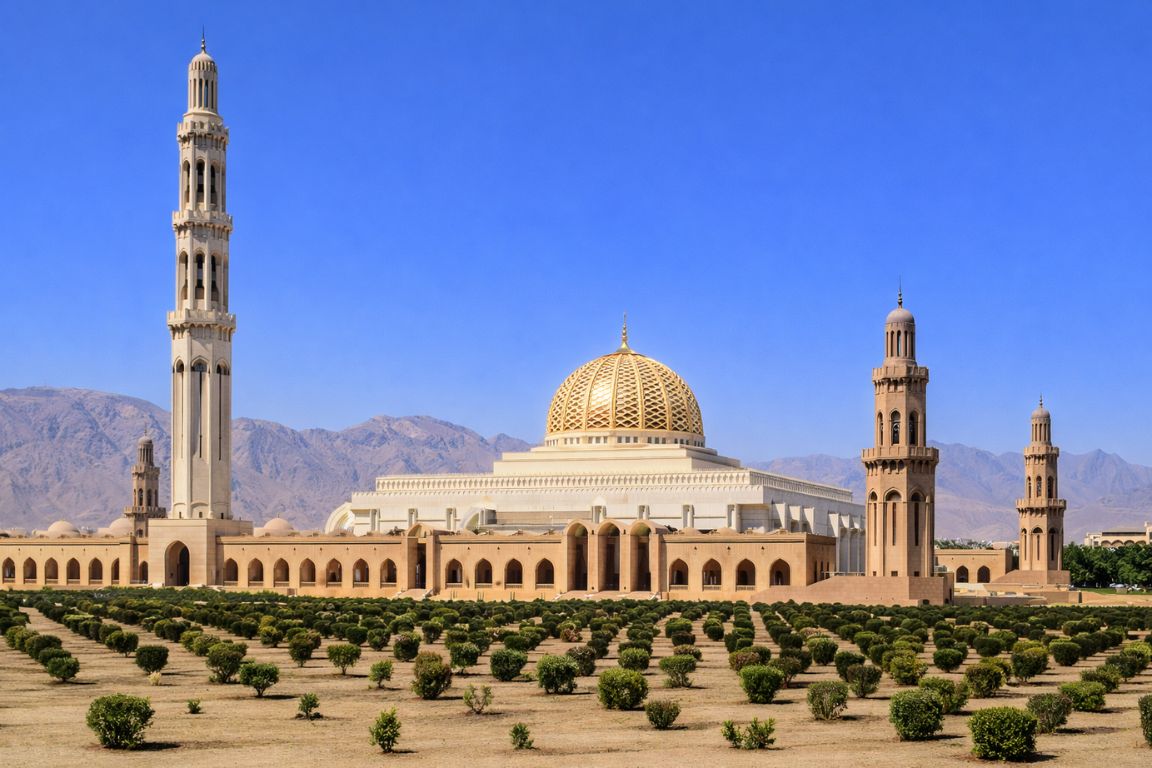
Winter in Muscat is the reason the city appears on anyone’s travel list at all. From December through February, daytime temperatures sit between 23°C and 27°C. Evenings dip to 16°C or so, which feels cold enough to require a light jacket if you’re sitting outside after dark. The sky is clear almost every day. The low desert light hits the white buildings and the harbor in a way that photographers spend hours trying to capture. This is when the city is fully alive: the Corniche fills with walkers after sundown, outdoor restaurants are packed, and the Grand Mosque gets its most photogenic morning light.
If you’re heading to the Grand Mosque, here’s our Sultan Qaboos Grand Mosque guide so you understand the strict dress code, visiting hours, and rules that catch unprepared tourists off guard.
The shoulder periods, October to November and March to April, are underrated. Temperatures are warmer than peak winter but the city hasn’t yet locked down for summer. In late October the heat breaks noticeably, crowds are thin, and you can still spend a full day at Wadi Shab or hiking in the Hajar Mountains without suffering. March brings the rose blooms to Jebel Akhdar. April is the last month you can genuinely do a full day outdoors without serious planning around the heat, and even then you’ll want an early start.
Summer is honest about what it is. June hits 40°C, and that number climbs. By July, coastal humidity layers on top of the heat in a way that makes 38°C feel worse than 45°C in the dry desert interior. Life shifts indoors and to the margins of the day. Locals who can afford to leave, do. Those who stay adapt: markets open early, shopping malls function as community living rooms, and outdoor activity happens, if at all, between 5am and 8am or after 8pm.
What Is the Best Month to Visit Muscat for Good Weather?
November is the single best month to visit Muscat for most travelers. The summer heat has just broken, temperatures drop into the high 20s during the day, evenings are comfortable, and the city is nowhere near its December-January peak crowds. You get the weather without the prices, and the full city at your disposal.
January is the coldest month, with average highs around 25°C and lows dipping to 16-17°C at night. For travelers from cold climates, this feels like summer. For those sensitive to cool evenings, a light jacket is genuine kit here. January also hosts the Muscat Nights Festival, a month-long city-wide celebration of Omani culture, food, and entertainment that spread across eight venues in 2026 and drew over 1.7 million visitors. If you want the festival experience alongside the weather, January delivers both but book accommodation well in advance because the city is at capacity.
February is comparable in temperature to January and shares the festival energy. It also carries a risk factor that shifts year to year: Ramadan. In 2026, Ramadan runs from February 18 through March 19. Anyone planning a February visit needs to know their arrival date relative to Ramadan’s start, because the city’s dining and hospitality rhythm changes significantly once fasting begins. More on this in the Ramadan section below.
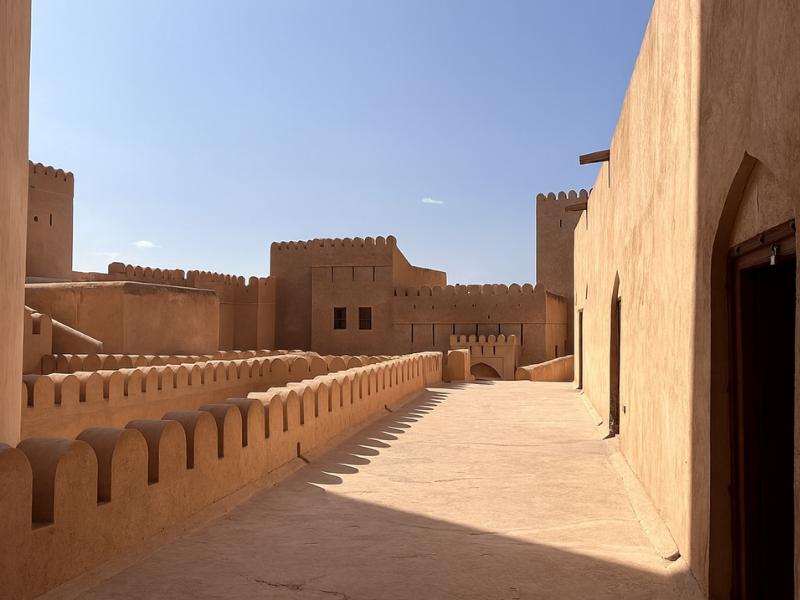
March and November are the most underrated months on the calendar. Less talked about, meaningfully cheaper than December through February, and with weather that satisfies anyone who isn’t chasing the absolute coolest days. March in particular is beautiful at Jebel Akhdar, where the Damask rose farms bloom and the air smells different. If you can only go once and you’re flexible on dates, November is the answer.
Wondering what each month looks like? Check out our guide on the best month to visit Oman Muscat tours – it breaks down temperatures, festivals, and when the heat becomes genuinely unbearable.
When Is Peak Season in Muscat and Is It Worth the Crowds?
 Peak season in Muscat runs from late November through February, with December and early January representing the absolute height. Prices spike, hotels fill up, and popular sites like the Grand Mosque see cruise ship groups arriving in volume. The weather earns it. Whether the premium is worth paying depends entirely on what you’re after.
December carries the highest hotel rates of the year. Christmas and New Year in Muscat have become a legitimate travel market, particularly for European and GCC visitors. The Chedi and other luxury beach properties impose compulsory gala dinners on New Year’s Eve and charge accordingly. Book three to four months ahead for December travel at any reputable property. The city’s weather in late December is legitimately excellent, 23-26°C, and if budget is not the constraint, there’s no better time climatically to be there.
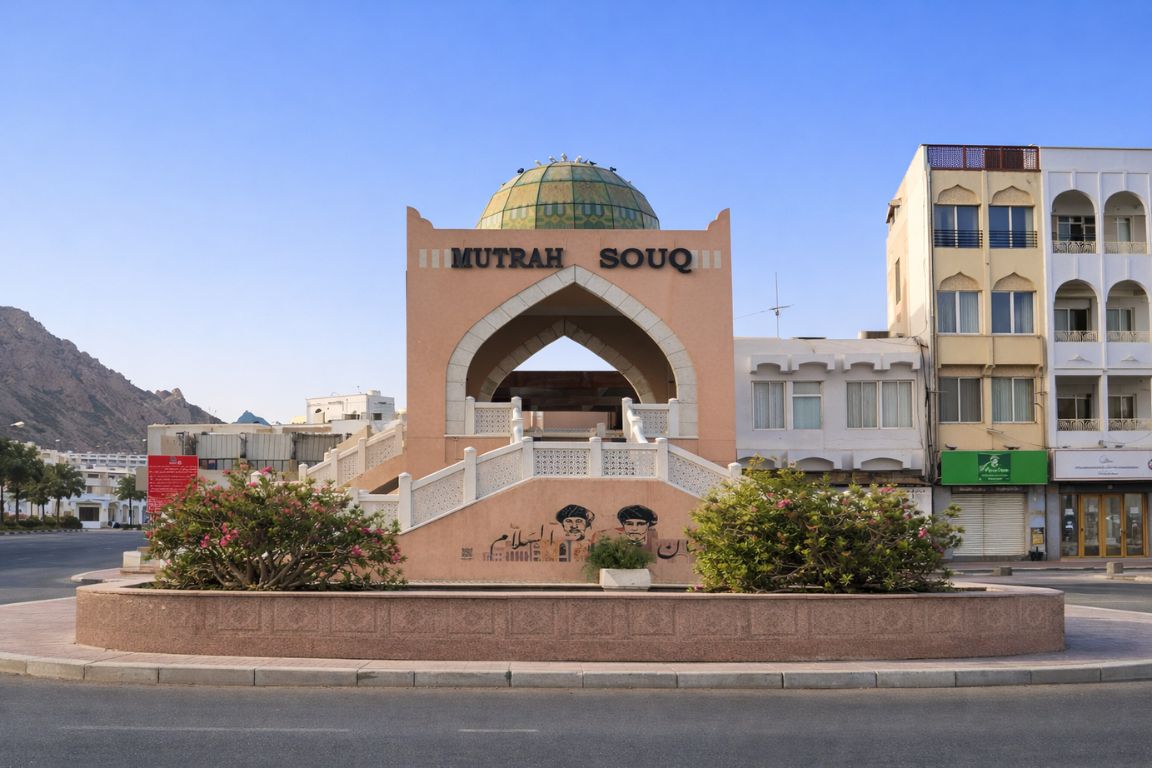
The crowd picture is more nuanced than it seems. Muscat doesn’t get overcrowded the way Venice or Bangkok do in high season. The city is simply too spread out. Sites like the Grand Mosque and Mutrah Souq are busier, and tour groups from cruise ships add volume to mornings at the mosque, but the experience doesn’t become unpleasant. The main practical impact is on accommodation availability and cost. The experience itself remains unhurried compared to most popular destinations.
National Day on November 18-19 (observed November 20-21 in 2026) is worth being present for or worth avoiding, depending on your travel style. The city fills with Omani families, there are fireworks and street celebrations, and the pride residents take in showing their country to visitors is genuinely warm. Rental cars and popular hotels fill quickly around this period, so book ahead. Some attractions run on adjusted hours.
Peak Season vs. Shoulder Season: What Actually Changes
| Hotel rates | High; 30-50% above annual avg | Moderate; better availability |
| Grand Mosque crowds | Busy mornings; cruise groups | Noticeably quieter |
| Outdoor activity comfort | Excellent all day | Good; warm afternoons in Oct/Mar |
| Day trip conditions | Ideal for all destinations | Very good; wadis and desert fine |
| Flight prices | Higher; book early | More competitive |
| Restaurant availability | Reservations needed at popular spots | Walk-in generally fine |
| Tour availability | Book 4-6 weeks ahead | Book 1-2 weeks ahead |
Based on Oman Muscat Tours booking patterns and seasonal data. Prices verified March 2026
When Should You Avoid Visiting Muscat?
 June, July, and August are the months to avoid if you have any choice. Temperatures in June regularly exceed 40°C, humidity pushes heat stress well beyond what the number suggests, and outdoor sightseeing is genuinely dangerous during midday hours. The city functions – locals adapt – but as a visitor planning a sightseeing trip, these months work against you at every turn.
The thing people underestimate about Muscat in summer is the ground temperature, not just the air. The marble at the Grand Mosque, the stone paths at forts, the road surfaces, all of it radiates heat that makes even a short walk feel depleting. By 9am in July, the quality of light is harsh and flat. By 10am you’re looking for shade. The outdoor souq experience, one of the best things Muscat offers, is essentially gone until October.
May and September are shoulder-summer months and sit in an awkward middle ground. May heats up sharply from April’s relative comfort, hitting 39-40°C by mid-month. September is cooling down from August but still sees regular highs above 36°C with humidity. Some travelers manage these months by restructuring their days around the heat: early morning starts, midday breaks at the hotel, late afternoon and evening activity. It’s workable, but it requires discipline most vacationers don’t have on holiday.
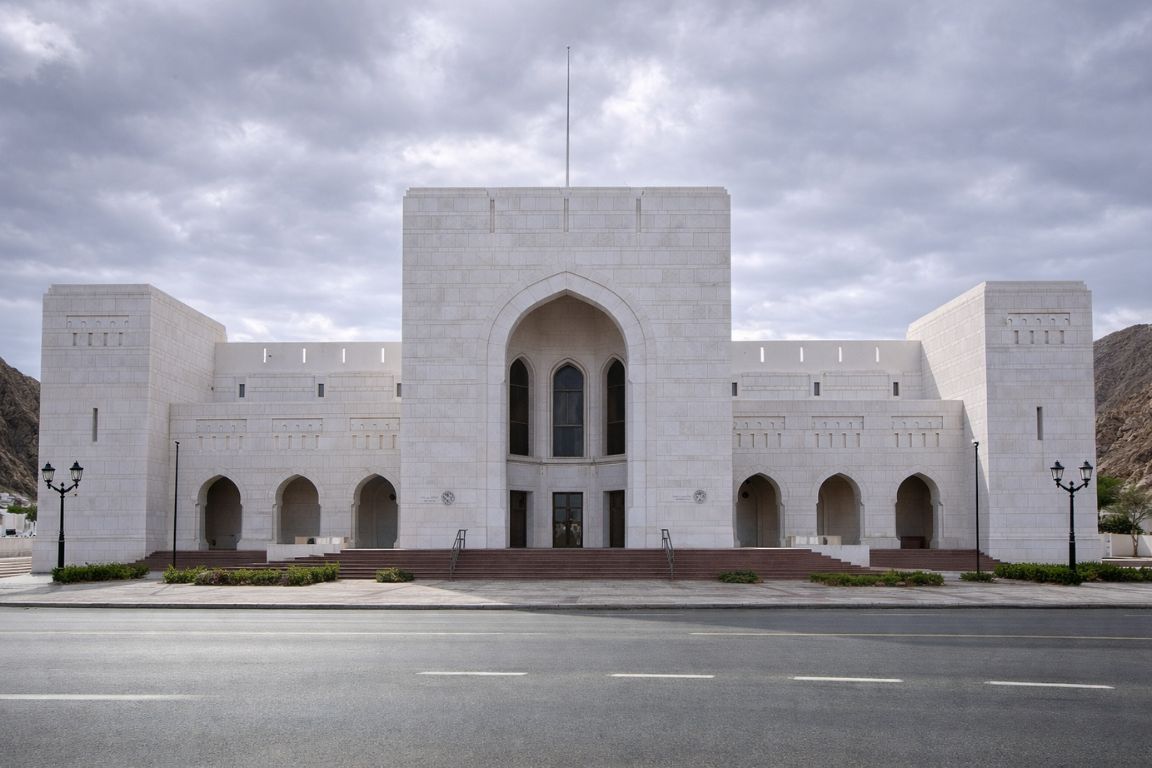
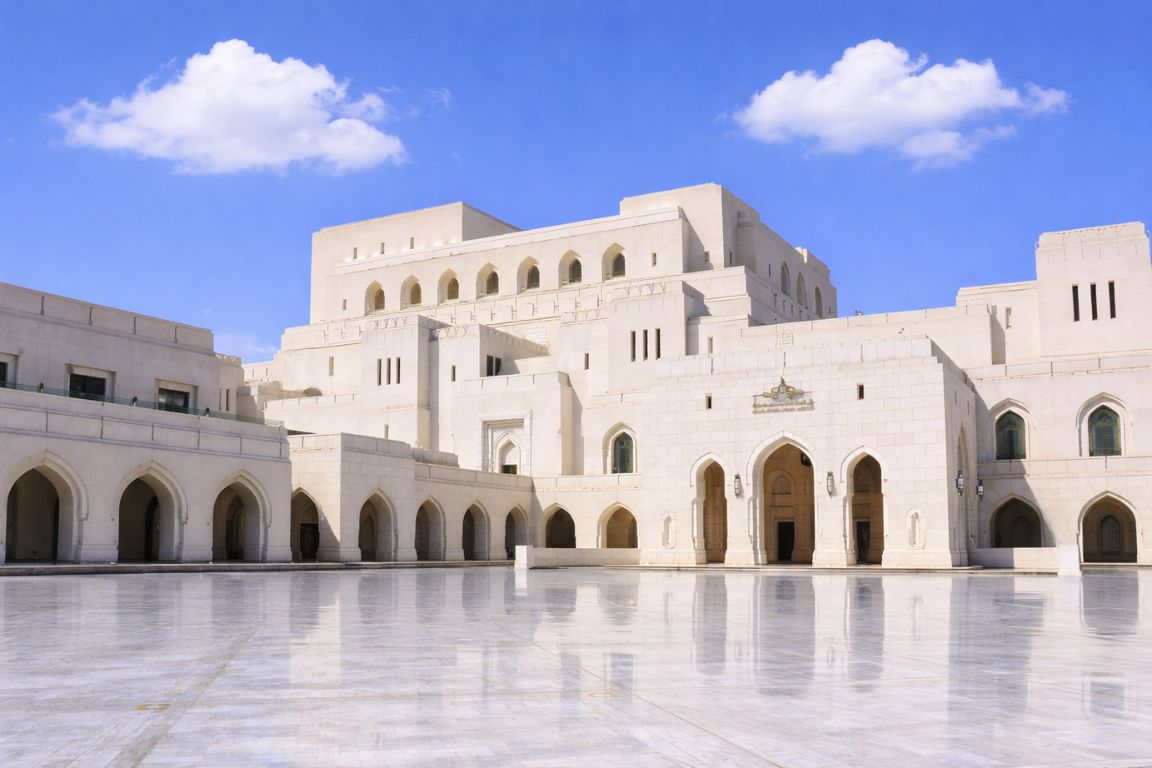
One nuance worth knowing: summer in Muscat means significantly lower hotel prices, often 40-50% below peak rates. For travelers who genuinely don’t mind heat and are planning primarily indoor activities – museums, the National Museum, the Opera House if there’s a performance, air-conditioned souq shopping – summer offers access to excellent properties at prices that would be out of reach in winter. The trade-off is real, but it’s a trade-off, not an absolute.
How Does Ramadan Affect a Trip to Muscat?
 Ramadan changes the rhythm of daily life in Muscat in ways that directly affect tourists: restaurants are closed during daylight hours, alcohol sales are restricted, and the city operates at a slower pace in the first half of the day. In 2026, Ramadan runs from approximately February 18 to March 19. Travelers arriving during this window need to plan food and activity around these realities.
The most immediate practical impact is food. Local restaurants – from street-food counters to Omani eateries – don’t open until Iftar, which is the evening meal at sunset, around 6pm in February and March. Hotels with international dining are the exception: most continue serving guests during the day, often in screened-off areas. If you’re staying at a property with breakfast included and are comfortable eating a real lunch at your hotel, you can manage comfortably. If you planned to spend your days eating local food at souq-area restaurants, that changes entirely during Ramadan.
The alcohol situation tightens further. Normally available at licensed hotel bars and some restaurants, alcohol is harder to find during Ramadan, and some hotels limit service or push start times later in the evening. International hotels like The Chedi have served alcohol from 7pm during Ramadan in recent years, but policies vary and it’s worth confirming directly with your property before arriving.
What Ramadan offers that no other time does: the city comes alive at night. After Iftar, Muscat feels genuinely festive. Families fill the parks and the Corniche. Restaurants are packed with warmth and generosity. The tradition of sharing Iftar with strangers is alive in Oman in a way that’s rare, and travelers who’ve been invited to join a local family’s Iftar often cite it as the most memorable meal of their trip. The atmosphere between sunset and midnight in Ramadan Muscat is unlike anything the city offers the rest of the year.
Our honest assessment after guiding travelers through Ramadan Muscat many times: if daytime dining freedom and unrestricted restaurant access matter to you, avoid it. If you’re curious about Omani culture at its most genuine expression and can adapt your schedule to the city’s rhythm, Ramadan can be one of the best times to visit.
We’ve detailed Ramadan travel in Oman Muscat tours because visiting during the holy month requires different planning – from finding daytime food to understanding what tourist activities continue normally.
What Is the Cheapest Time to Visit Muscat?
June and July are the cheapest months to visit Muscat by a meaningful margin. Hotel rates drop 40-50% compared to peak winter. Flights from most departure points are cheaper, and tours have more availability. The trade-off is 40°C+ heat that severely limits outdoor activity. For budget-focused travelers who can restructure a trip around the heat, summer represents real value.
The specific window with the best combination of lower prices and still-tolerable weather is late April through May. The peak season crowds and premiums have cleared, temperatures are climbing but not yet punishing, and you can still realistically do a wadi day trip with an early start. May mornings before 9am are genuinely workable. It’s the last month where outdoor Muscat is available at all.
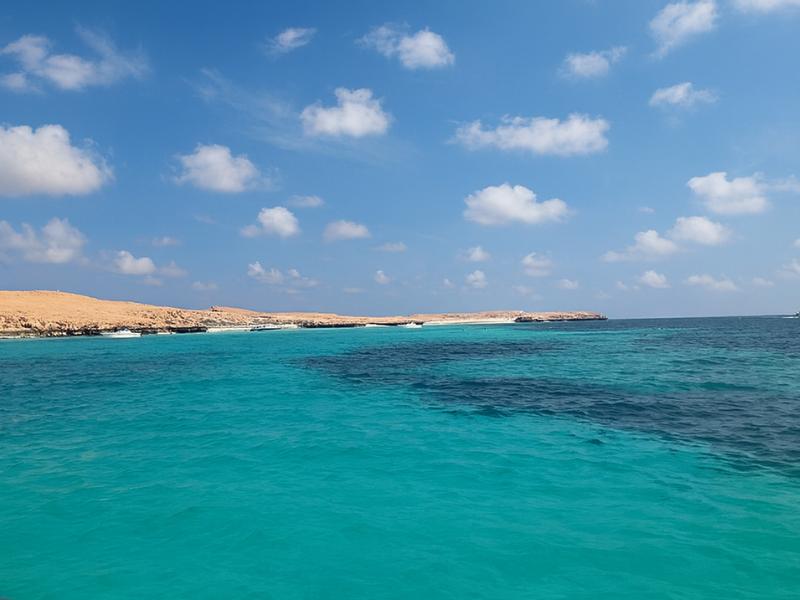
October is the sweet spot for budget-conscious travelers who don’t want to sacrifice outdoor activity. Prices haven’t yet climbed to peak-season levels and won’t until mid-to-late November, but the heat has broken enough by mid-October that afternoon outdoor activity is back on the table. The Daymaniyat Islands are at their best for whale shark sightings in September and October, the water is warm, and tour operators are often still on summer pricing. This is a reasonable month to look at Wadi Shab and Bimmah Sinkhole on an early start, or to compare overnight options in the desert tours guide.
Muscat Travel Costs by Season (Average Per Night, Double Room)
| Dec-Feb (Peak) | $55-$90 | $120-$200 | $280-$600+ | +20-35% |
| Oct-Nov, Mar (Shoulder) | $40-$70 | $80-$150 | $200-$400 | +5-15% |
| Apr-May (Warm Shoulder) | $35-$60 | $65-$120 | $160-$320 | Baseline |
| Jun-Sep (Summer) | $25-$45 | $50-$90 | $120-$250 | Baseline or below |
Rates based on 2025-2026 market data. Prices verified March 2026
Which Month Is Best for Specific Activities in Muscat?
 The best time depends entirely on what you’re there to do. Hiking and desert camps peak in December through February. Diving at the Daymaniyat Islands is best from October to May, with whale sharks showing up in September and October. Jebel Akhdar rose blooms happen in late March and early April. Turtle nesting at Ras Al Jinz runs April through August – one of the few summer reasons to consider a trip.
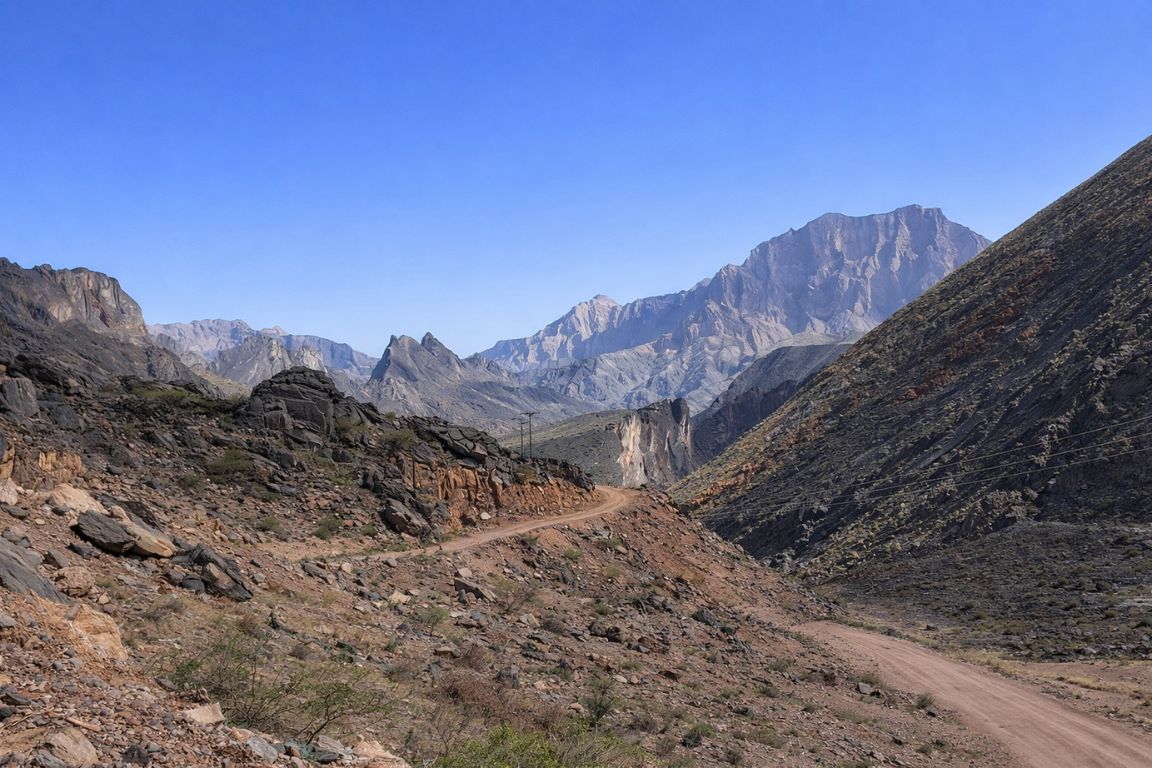
For wadi hiking – Wadi Shab, Wadi Bani Khalid, or any of the routes in the Hajar Mountains – the window is November through April. Hiking in these places in summer is a health risk, not a challenge. The canyon walls trap heat and the ground temperature far exceeds the air temperature. October works for early starts with light packs. Everything from November onward is fair game for full days on foot.
Diving around Muscat is more nuanced than most guides suggest. October through May gives you calm seas and good visibility around the Daymaniyat Islands. The whale sharks that migrate through the area peak in September and October, overlapping with the end of summer – meaning you can get excellent diving conditions, whale shark encounters, and lower hotel prices in October if you’re heat-tolerant and focused on the water. From May through October, the islands are closed to visitors landing on shore (protected turtle nesting season), but dive and snorkel boats still operate the surrounding waters.
Desert camping in Wahiba Sands is best from December through February. The desert gets genuinely cold at night in January, 10-12°C, which sounds wrong given the day temperatures but is the reality. Sleeping under stars in the dunes when it’s cold enough to need a sleeping bag is a very different experience from sweating through a summer night in a camp tent. The camps themselves close or reduce operations in summer; most reopen in October.
Thinking about spending a night in the dunes? I’ve broken down desert camping in Oman Muscat tours so you know what’s included in camps, what temperatures to expect, and whether luxury or basic Bedouin style suits you better.
Best Months for Specific Muscat Activities
| Wadi hiking | Nov – Apr | Avoid May-Oct; dangerous heat in canyons |
| Desert camping (Wahiba) | Dec – Feb | Cold nights; best stargazing conditions |
| Diving (Daymaniyat) | Oct – May | Best visibility; good reef conditions |
| Whale shark spotting | Sep – Nov | Migration corridor; Oct is peak |
| Jebel Akhdar rose blooms | Late Mar – Apr | Damask rose harvest; fragrant air |
| Turtle nesting (Ras Al Jinz) | Apr – Aug | One of the few summer travel reasons |
| City sightseeing | Nov – Mar | Full-day outdoor comfort |
| Budget travel | Oct, Apr-May | Lower prices, manageable weather |
| Muscat Nights Festival | January | Month-long cultural festival across 8 venues |
| National Day celebrations | Nov 18-19 | Fireworks, parades, patriotic atmosphere |
Activity windows based on climate data and Oman Muscat Tours operational calendar. Prices verified March 2026
What Is Muscat Like to Visit Each Month of the Year?
 No two months feel the same in Muscat. The shift from October’s fading heat to November’s release, from February’s Ramadan quiet to March’s warming light – each month has its own texture. Here’s what you actually encounter, month by month.
January
The coldest month, and one of the best. Average highs sit around 25°C, lows can touch 16°C at night. The Muscat Nights Festival fills the city across eight venues throughout the month – food stalls, cultural performances, traditional craft markets, and evening events that go late. January mornings at the Grand Mosque, before the tourist groups arrive, have the best quality of light and the quietest, most contemplative atmosphere. Hotels are busy and priced accordingly. Short rain showers are possible but rare and brief. Book accommodation well in advance.
February
Similar temperatures to January, slightly warming as the month progresses. The festival energy continues from January into early February. The critical variable: Ramadan. In 2026, Ramadan begins February 18. Anyone arriving in the first two weeks of February gets full winter conditions with all restaurants operating normally. Anyone arriving after February 18 enters a different city rhythm entirely, with daytime dining at local restaurants unavailable until Iftar around 6pm. February is a month where your specific arrival date matters more than almost any other factor in your planning.
March
Ramadan runs through March 19 in 2026, ending with Eid al-Fitr. The post-Ramadan city is usually energetic and festive. Temperatures climb toward the high 20s and low 30s during the day, still comfortable by most standards. The Jebel Akhdar rose farms are at or near peak bloom in late March. The mountain road is worth the 4WD requirement just for the air – it genuinely smells different up there when the Damask roses are out. Crowds begin to thin from their peak. Fewer large tour groups than December through February.
April
The last comfortable month for full outdoor days. Daytime highs reach 35°C by mid-April and the heat becomes something you manage rather than ignore. Early morning starts (before 8am) still work well for Wadi Shab or the Hajar Mountains. Turtle nesting season at Ras Al Jinz begins. Hotel rates are noticeably lower than peak season. Jebel Akhdar is still pleasant at altitude. This is a genuinely good month for travelers willing to front-load their days.
May
Temperatures spike sharply. By mid-May, highs are touching 39-40°C and the coastal humidity starts building. Outdoor sightseeing compresses to early mornings. The Muscat International Book Fair typically runs in late April through early May – indoor, cultural, and worth attending if you’re already there. Prices are low. Crowds are thin. The city’s indoor offerings, the National Museum, the Opera House, air-conditioned shopping, function perfectly. Wadi trips are possible with an early enough start but genuinely uncomfortable by 10am.
June
The hottest month of the year. Average highs hit 40°C; records have reached 48.5°C. Outdoor Muscat essentially closes between 9am and 6pm. Shamal winds can bring dust that reduces visibility and makes even indoor-outdoor transitions unpleasant. Hotel prices reach their seasonal floor. The city’s beaches and marinas come alive after dark in a way that has its own appeal. If you are here by necessity, embrace the indoor city and the evening economy. Don’t fight the heat.
July
Temperatures drop fractionally from June’s peak to around 38°C average, but humidity increases significantly, reaching 60% or more on coastal days. The air feels heavier than June. July is domestic travel season for Omanis heading to cooler Salalah for the Khareef (monsoon) period. Muscat is quieter than usual. Lowest hotel prices of the year. The Daymaniyat Islands dive boats still operate early mornings for those motivated enough to be on the water at 6am before the heat builds.
August
The most humid month of the year, with average relative humidity around 67%. Temperatures are fractionally lower than June, around 36-38°C, but feel worse than June’s dry heat. Activity is indoor-only in any practical sense. If you’re here, the National Museum is excellent, the Royal Opera House runs its season, and the mall culture is worth experiencing as a window into how Muscat actually functions during summer. A few tour operators run dawn boat trips to the Daymaniyat Islands before the heat makes the surface uncomfortable.
September
Still hot, still humid, but the direction has changed. By late September you can feel the first suggestion that the worst is passing. Average highs are around 36°C, down from August’s worst. The whale sharks begin their migration past the Daymaniyat Islands this month – September through November is when the encounters peak. A motivated diver with heat tolerance can have extraordinary underwater experiences in September while paying low-season prices for everything else.
October
The turning point. By mid-October, the heat breaks in a way that feels immediate. Highs drop from the mid-30s to around 32-34°C, and crucially, the coastal humidity retreats. Evenings become comfortable. The Corniche starts filling again in the late afternoon with walkers and families who’ve been absent since April. October is the whale shark peak at Daymaniyat and is our hidden recommendation for travelers who want lower prices, manageable weather, and excellent marine activity. Wadi Shab becomes viable again for early morning trips. This is an underappreciated month.
November
The city exhales. Temperatures are comfortably in the high 20s by day and genuinely pleasant in the evenings. National Day on November 18-19 (observed November 20-21 in 2026) turns the city patriotic – flags everywhere, fireworks, street celebrations that are open and welcoming to visitors. Crowds haven’t yet reached December’s peak. Prices are below their winter maximum. November is, in our experience guiding over 7,700 travelers through Muscat, the most consistently excellent month to visit the city. Good weather, alive city, fair prices, no Ramadan variables.
December
Peak season begins. Temperatures drop to their coolest of the year, around 24-27°C during the day and 17°C at night. The city is full: European winter escapees, GCC families, and tourists who’ve been planning this trip for months all converge. Book accommodation months ahead. New Year’s Eve in Muscat has become a significant event, with luxury hotel gala dinners and fireworks over the harbor. Christmas Day is not a holiday in Oman but is observed quietly in the expatriate community and at international hotels. Cyclone season ends in December, though the remaining risk is low. Genuinely the most beautiful weather of the year, with the highest prices to match.
When Our Travelers Actually Come to Muscat: 2025 Client Patterns
| Most booked month for Muscat arrivals | November |
| % of bookings falling in peak season (Dec-Feb) | 54% |
| % of bookings in shoulder season (Oct-Nov, Mar) | 31% |
| Summer bookings (Jun-Sep) | 4% |
| Most common reason for shoulder season choice | Lower prices + manageable weather |
| % who said November exceeded their expectations | 81% |
| Top regret from peak-season (Dec-Feb) travelers | Not booking accommodation far enough in advance |
Based on Oman Muscat Tours client groups from 2025. Omar Al-Kalbani and team have guided 7,700+ travelers since founding in 2013.
Timing Mistakes That Catch Travelers Off Guard
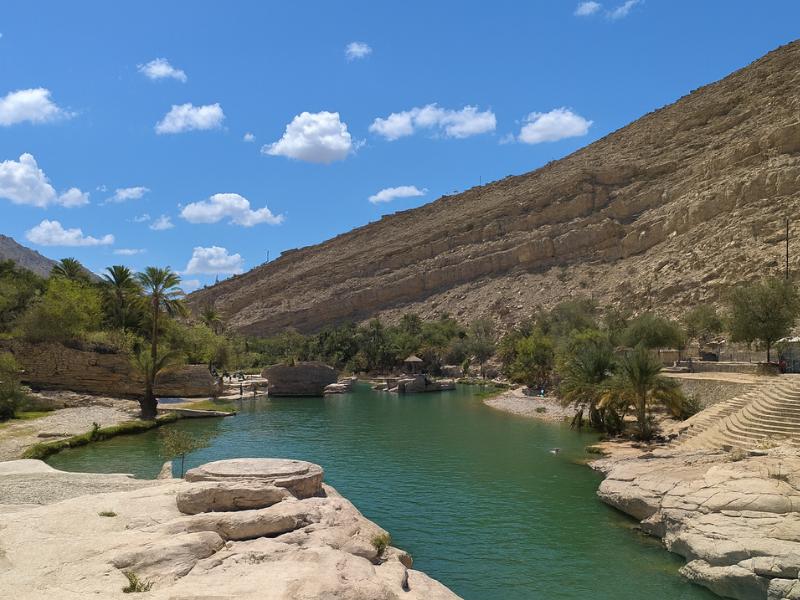
Twelve years of guiding travelers through Muscat produces patterns. The timing mistakes that create friction are consistent and almost entirely avoidable.
The first is booking a December trip without confirming Ramadan dates. Ramadan shifts earlier by about 11 days each calendar year. In some years it falls squarely in January or February; in others it touches March. Travelers who research the destination but skip the Islamic calendar check arrive to find the daytime restaurant scene transformed. Check the dates. It takes 30 seconds and can determine whether you have unrestricted access to Muscat’s food culture or are planning meals around sunset.
The second is treating April as equivalent to March. They’re not. March is the last genuinely comfortable full-day outdoor month. April heats up fast – 35°C+ by mid-month – and the quality of an outdoor day trip changes meaningfully. People who plan an April Wadi Shab trip the same way they’d plan it in February come back talking about how exhausted they were. April works with early starts. Without them, it’s a different experience than the one they planned for.
The third is underestimating how quickly peak-season accommodation fills. December in Muscat is not Istanbul or Barcelona where you can find something decent on short notice. The good properties book months ahead. Anyone planning a December or New Year trip who checks availability in October for the first time regularly finds limited options at elevated prices, with the best value-for-money properties already gone.
Frequently Asked Questions
What is the absolute best month to visit Muscat?
November, for most travelers. The summer heat has just broken, temperatures are comfortably in the high 20s, prices haven’t yet climbed to December’s peak, and the city is fully operational without the high-season crowds. January offers slightly cooler temperatures and the Muscat Nights Festival, but at a premium price. For the best combination of weather, value, and experience, November is the recommendation.
Is Muscat worth visiting in summer?
For sightseeing-focused trips, no. Temperatures regularly exceed 40°C and outdoor activity becomes genuinely dangerous in the midday heat. For travelers interested primarily in indoor culture, diving (early morning), or hotel luxury at significantly reduced rates, summer is a viable niche choice. The underwater world around the Daymaniyat Islands is warm and clear in September and October, making those months the compromise option for heat-tolerant divers.
What is Ramadan in 2026 and should I avoid it?
Ramadan in 2026 runs from approximately February 18 to March 19, ending with Eid al-Fitr. During Ramadan, local restaurants are closed until Iftar at sunset, alcohol sales are restricted, and the daily rhythm of the city shifts. International hotel restaurants continue serving guests. If daytime dining freedom matters to your trip, plan arrival before February 18 or after March 20. If you’re interested in experiencing Omani culture at its most authentic and communal, Ramadan evenings in Muscat are genuinely special.
When is Muscat Festival and is it worth visiting for?
The Muscat Nights Festival runs throughout January and occasionally extends into early February. In 2026 it ran across eight venues with over 1.7 million visitors expected, featuring cultural performances, traditional food, markets, and evening entertainment. January is already one of the best weather months; the festival adds a layer of atmosphere that makes it genuinely worth timing a trip around, provided you book accommodation well in advance.
What is the cheapest time to fly to Muscat?
May through August offers the lowest combination of hotel and flight prices. Within that window, June and July are cheapest overall. October represents the best value for travelers who want workable weather alongside lower prices: summer pricing hasn’t fully converted to peak-season rates yet, but the heat has broken enough to make outdoor activity possible again.
Is October a good time to visit Muscat?
Yes, particularly from mid-October onward. The heat breaks noticeably in mid-October, dropping from summer highs to around 32-34°C. Whale shark season at the Daymaniyat Islands peaks in September and October. Hotel prices are below peak season. The city is starting to come alive again after summer’s indoor retreat. It’s the most underrated month on Muscat’s calendar.
Written by Omar Jackson Al-Kalbani
Omani tour guide since 2013 · Founder, Oman Muscat Tours
Omar has guided over 7,700 travelers through Muscat, the wadis, and the deserts of Oman since founding the agency.
Choose the outing, then check your date
Full-Day Wahiba Desert and Wadi Bani Khalid Group Tour
What does Muscat’s comfortable season unlock beyond the city? Explore the full-day Wahiba Sands and Wadi Bani Khalid pairing.
9.0 hours · Bottled water; During high-demand periods, transfer from Muscat may be provided by a bus instead of a 4x4 vehicle. Dune bashing in the desert still be conducted in 4x4 vehicles, ensuring a full desert experience.
Choose a date to view the published schedule checked 9 September 2026. Final availability and price are confirmed on Viator.
Compare options and match my plans
Not recommended for travelers with poor cardiovascular health; Suitable for all physical fitness levels; Start Time: Start times vary by option. The Desert & Oasis (without sunset) option usually begins around 8:00 AM. Options including sunset or quad bike experiences typically start between 9:00 and 11:00 AM, depending on the season; Fuel Stop & Snacks: There will be a short stop at a fuel station where guests can purchase snacks, juices, or coffee for cash.; Weather Considerations: The tour operates in all weather conditions; however, in the event of extreme weather, certain activities may be adjusted or rescheduled; Pick-up & Drop-off: Transfers are provided from Muscat. The exact pick-up time will be confirmed one day before the tour via WhatsApp, so please provide an active WhatsApp number in advance.; Please note: The total duration of desert and oasis activities is approximately 3 hours; the remaining time of the tour is allocated to travel between Muscat and the activity locations (round trip).; The tour is available for guests aged 5 years and older only; For safety reasons, this tour is not recommended for pregnant guests due to dune bashing activities. We advise booking a private tour without dune driving for a safer and more comfortable experience. Extras: Gratuities; 30-Minutes Quad bike riding (available only in the Quad Bike option); Camel Riding; Accommodation in the desert hotel is not included if you book the "Desert Overnight" option; Child Seats; Life Jackets. Pickup: We contact all guests one day before the tour to confirm pick-up details. Please provide your exact address when booking and an active WhatsApp number to ensure smooth communication. If your pick-up location is not a hotel but a specific place (e.g., a private residence or office), please mark the exact building on the map and provide clear instructions so our driver can locate you easily. If airport pick-up is required or if the tour takes place on the same day as your arrival, please allow sufficient buffer time before the tour starts. If you need to collect checked baggage, we recommend planning for at least 1.5 hours between your scheduled arrival time and the tour start. If you are traveling without checked baggage, a minimum of 1 hour is recommended to ensure timely arrival for pick-up.
- Full Day Private Nizwa/Jebel Akhdar · 8.0 hours. bottled water during the tour; Omani Tour Guide English Speaking
- Snorkeling at Dimaniyat Islands and Dolphin Watching (Half-Day) · 5.0 hours. Soda/Pop; Bottled water
- Dolphin Watching and Snorkeling Activity in Muscat · 3.0 hours. Soda/Pop; Bottled water
- Half-Day Private Muscat City Tour - Top Landmarks in Just 4 Hours · 4.0 hours. Bottled water; Omani Tour Guide English Speaking
Compare your group costs
Enter complete quotes in the same currency, including transport, tickets and extras. These are your estimates, not live prices.