Muscat vs Dubai
Muscat vs Dubai? One is quiet, authentic, and nature-rich; the other is high-energy, luxury, and nightlife. Here’s how to choose the right trip.
Last updated: April 12, 2026
If Muscat’s local culture is what appeals, a dinner in an Omani home offers a different evening from the hotel restaurants and nightlife of Dubai. Explore an Omani home dinner ↗
Muscat vs Dubai: At a Glance
| Overall vibe | Traditional, low-rise, unhurried | Global megacity, high-energy, aspirational |
| Cost vs Dubai | ~33% cheaper overall | Baseline comparison |
| Nightlife | Quiet; hotel bars only; no club scene | Extensive; rooftop bars, beach clubs, nightclubs |
| Culture depth | Deep and lived-in; Omanis in everyday roles | Heritage exists but layered under modernity |
| Natural landscape | Mountains, wadis, desert, coast – all accessible | Desert safaris available; flat terrain |
| Shopping | Mutrah Souq; modest mall selection | World-class; Dubai Mall, Gold Souk, hundreds of malls |
| Beach quality | Uncrowded, natural, mountain backdrop | Commercial, busy, well-serviced |
| Distance between cities | ~348 km by air (1 hr 15 min flight); ~460 km by road (4.5-5 hrs drive) | |
| Best time to visit | November to March | November to March |
Cost data from Numbeo and Expatistan, February 2026. Prices verified March 2026
What Is the Difference Between Muscat and Dubai?
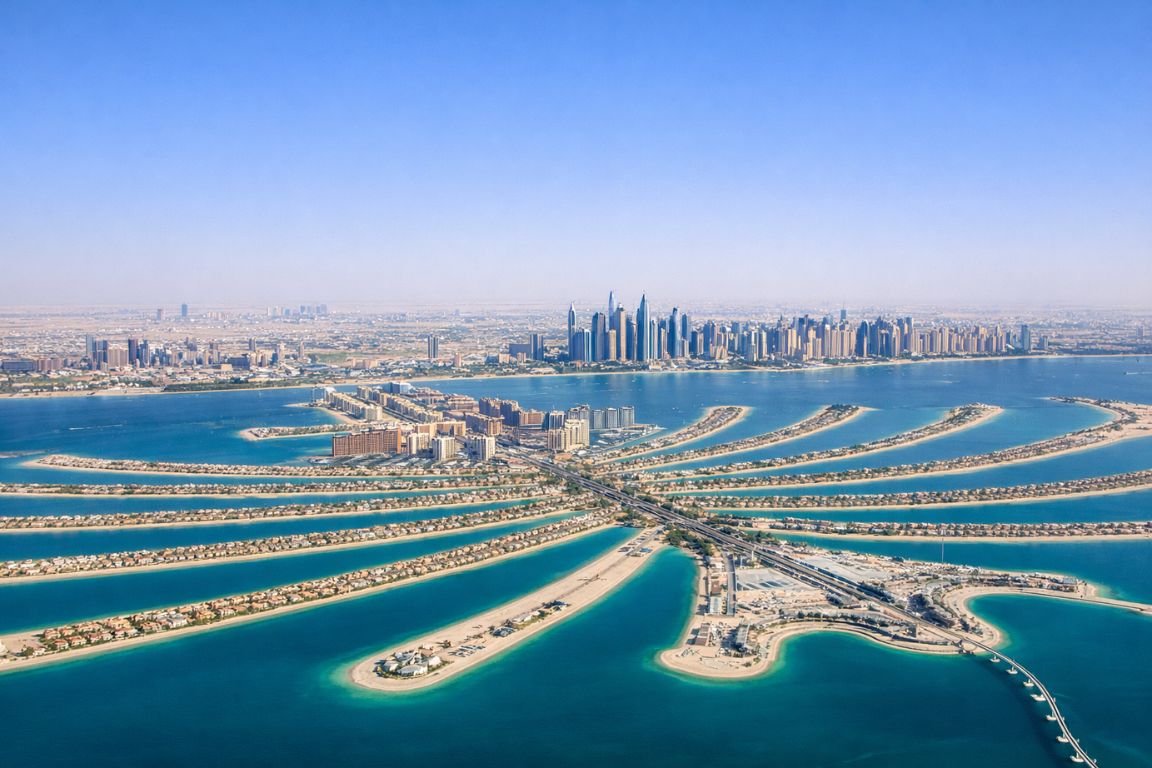 The simplest way to frame it: Dubai is what happened when a fishing village found oil and decided to build the future. Muscat is what happened when a port city found oil and decided to preserve the present. Both succeeded. The cities are an hour apart by air and feel like they belong to different centuries.
Dubai’s skyline is the message. The Burj Khalifa, the Palm Jumeirah, the endless corridor of glass towers along Sheikh Zayed Road – the architecture announces ambition at every turn. The city was largely flat scrubland fifty years ago. What stands now is one of the most deliberate urban transformations in modern history, a place designed to attract the world by offering it everything at once: shopping, beaches, theme parks, fine dining, nightlife, business. It works. Dubai received over 17 million international visitors in 2023. The infrastructure is exceptional and the experience is relentlessly polished.
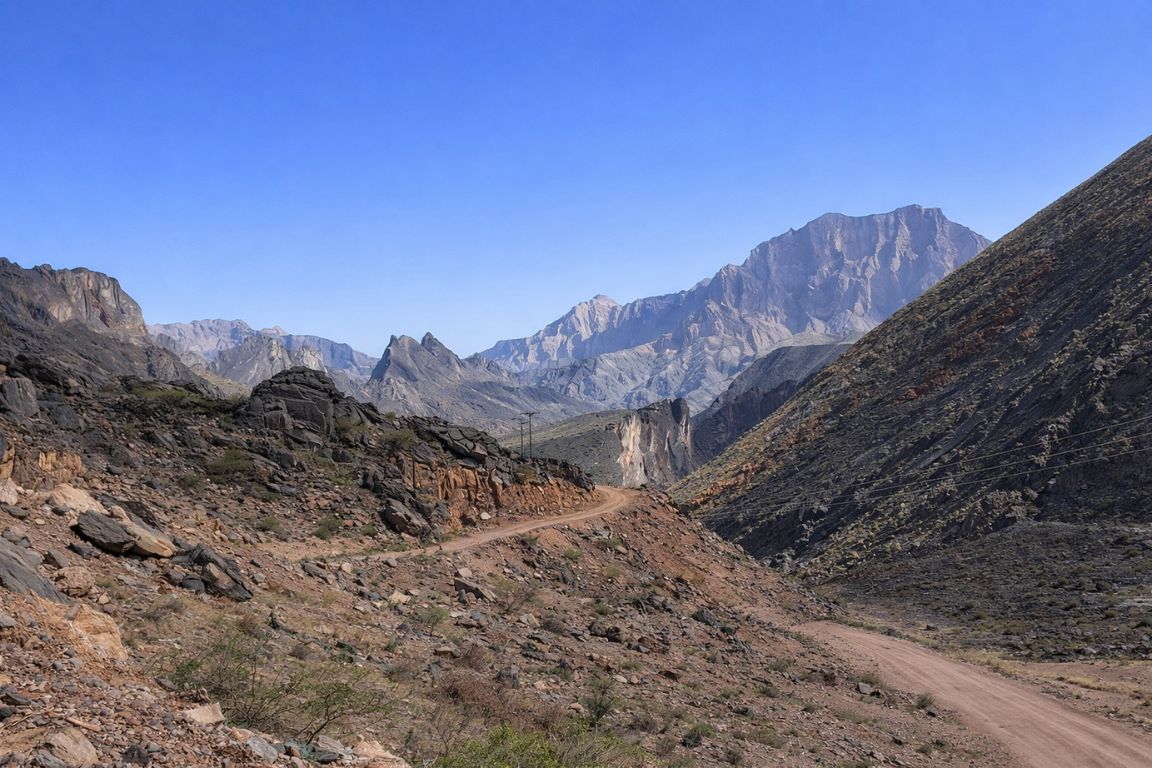
Muscat took a different path. Sultan Qaboos, who ruled from 1970 until his death in 2020, made a deliberate choice to develop Oman carefully and preserve its character. There are building height restrictions – the city stays low, hugging the coastline between the Hajar Mountains and the Gulf of Oman. You don’t get Muscat from the air the way you get Dubai; it doesn’t announce itself. You get it from inside, from walking the Corniche at 6am, from the incense smoke coming out of the souq, from the Omani taxi driver in his white dishdasha who tells you about his family in Nizwa. The locals are actually there, in the streets, in the shops, in the customer-facing roles that in Dubai are almost entirely filled by expatriates.
The contrast isn’t about one being better. It’s about what you want from a trip. Dubai rewards visitors who want stimulation, luxury, spectacle, and convenience. Muscat rewards visitors who want texture, authenticity, natural beauty, and a city that doesn’t feel like it was built for tourism first.
Which City Is Better for First-Time Middle East Visitors?
 Dubai is the easier first Middle East trip. The infrastructure for first-time visitors is exceptional: signage is clear, English is everywhere, transport is reliable, and the city has processed tens of millions of tourists and made the experience smooth. Muscat is a richer experience but asks more of you – it rewards preparation and curiosity in ways Dubai doesn’t require.
The case for Dubai first is practical. It connects to more destinations, has more flights, and the tourist machine is so well-oiled that you can arrive with minimal research and still have a satisfying trip. The Burj Khalifa, the Creek, the Gold Souk, the desert safari – all of it is packaged, accessible, and reliably delivered. For a traveler who has never been to this part of the world and wants to ease in with familiar comforts alongside the novelty, Dubai is the right starting point.
The case for Muscat first is different. Travelers who have already done Dubai – and many of our traveler groups fall into this category – consistently say Muscat surprised them more. Not because it has more to offer on paper, but because it offers something Dubai can’t: the feeling that you’ve arrived somewhere genuinely, not one that has been rebuilt to receive you. The Omanis you meet in the souq, the Corniche, the Grand Mosque are there because they live there. The city exists for Omanis first. That’s rarer than it sounds in the Gulf.
One pattern we hear from the 7,700+ travelers our team has guided through Muscat: people who come from Dubai and expect a smaller version of the same experience are sometimes initially underwhelmed. People who come expecting something fundamentally different are almost never disappointed. Set your expectations correctly and Muscat punches well above its weight.
First time visiting Oman? Here’s how to plan a trip to Oman Muscat tours so you don’t show up unprepared for the heat, the driving distances, or the mix of modern city and remote desert.
How Do Muscat and Dubai Compare on Cost?
Muscat is meaningfully cheaper than Dubai, but not as dramatically as some travelers expect. Overall cost of living is roughly 30-33% lower, with the biggest gaps in accommodation, restaurant meals, and transport. Dubai’s hotel and dining prices at the mid-range and luxury level are noticeably higher. The gap narrows at the budget end.
Restaurant meals are where the difference is most noticeable day-to-day. A meal at an inexpensive restaurant in Muscat costs around 2-4 OMR ($5-10); the equivalent in Dubai runs 40-70 AED ($11-19). Mid-range restaurant meals are up to 50% more expensive in Dubai according to current cost-of-living data. For travelers eating local food, Muscat is significantly cheaper.
Hotels tell a more complicated story. At the luxury tier, prices are comparable. The Chedi in Muscat and the top-end properties in Dubai cluster around similar peak-season rates. At the mid-range, Muscat is notably more affordable – a 4-star hotel that costs $80-$130 in Muscat might run $180-$250 for an equivalent in Dubai during peak season. Budget accommodation is scarcer in Muscat (no hostel culture) but the floor price is lower when you find it.
Transport favors Muscat once you’re there. Uber and Careem fares for typical city trips run 2-4 OMR in Muscat. Dubai’s app-based fares are higher, though the metro offsets this for travelers based near metro lines. Muscat has no metro and relies on taxis and apps for all transit, which adds cost for anyone moving around frequently.
One cost item Dubai does better: alcohol at licensed venues is roughly comparable in price, but access is easier and less restrictive in Dubai. Bars outside hotels are more numerous and more visible. In Muscat, alcohol is confined to hotel properties and a handful of licensed standalone restaurants.
Not sure what to budget? Check out our Oman Muscat tours travel budget – the country is more affordable than Dubai but certain experiences like luxury desert camps add up fast.
Muscat vs Dubai: Typical Tourist Costs Compared
| Budget meal (local restaurant) | $5-$10 | $11-$19 | Muscat ~40% cheaper |
| Mid-range restaurant (per person) | $15-$30 | $30-$60 | Muscat ~50% cheaper |
| Beer at hotel bar | $5-$8 (OMR 2-3) | $12-$16 (AED 45-60) | Muscat ~40% cheaper |
| Mid-range hotel (per night) | $70-$150 | $130-$280 | Muscat ~40% cheaper |
| 5-star hotel (per night, peak) | $250-$600 | $300-$800+ | Similar; Dubai slightly higher |
| City taxi ride (10 km) | $5-$10 (app) | $8-$14 (app) | Muscat ~30% cheaper |
| Entrance fees (major sites) | Low-free (Grand Mosque free; forts 2-5 OMR) | Higher (Burj Khalifa $30-$50; major sites $10-$50) | Muscat significantly cheaper |
| Day trip / desert tour | $60-$120 per person | $70-$150 per person | Roughly comparable |
Data from Numbeo, Expatistan, and direct market research. Prices verified March 2026
Which Has Better Food and Nightlife: Muscat or Dubai?
 Dubai wins on nightlife and it isn’t close. It has hundreds of licensed bars, rooftop clubs, beach clubs with internationally known DJs, and a social scene built around the premise that the night should be as spectacular as the day. Muscat has a quiet nightlife that lives almost entirely inside hotels. On food, the gap is narrower – both cities have excellent dining, but Muscat’s Omani food is genuinely distinctive and harder to find elsewhere.
Dubai’s nightlife infrastructure is remarkable. Over 100 licensed bars and clubs operate across the city, from speakeasy-style cocktail bars in DIFC to open-air beach clubs at JBR, from rooftop lounges with Burj Khalifa views to late-night warehouse events with European DJs. The Friday brunch culture, where restaurants offer free-flowing alcohol with multi-course menus for a set price, is a social institution. Getting a drink in Dubai is easy, affordable relative to the experience, and requires no planning beyond knowing where to go.
Muscat’s nightlife is a different thing entirely. All bars are inside hotels. The Turbine and Taps at the Sheraton, Duke’s Bar at the Crowne Plaza, Club Safari at the Grand Hyatt – these are good bars with loyal expat followings, and the sunset views from certain hotel terraces are genuinely hard to beat. But there are no standalone bars, no beach clubs in the Dubai sense, no late-night club scene to speak of. The Corniche comes alive in the evenings with walkers, families, and food stalls, which is its own version of nightlife – just not the one travelers used to Dubai are imagining.
On food, the comparison is more interesting. Dubai has more variety by volume: hundreds of restaurants representing every cuisine imaginable, Michelin-starred chefs, celebrity restaurant outposts, and a dining scene that ranks among the best globally. But variety isn’t the same as distinctiveness. Muscat’s Omani cuisine – shuwa cooked underground for 48 hours, majboos fragrant with dried lime and saffron, Omani kahwa coffee with dates – is genuinely something you can’t get anywhere else. Restaurants like Bait Al Luban, Al Angham inside the Opera House, and Rozna serve food that tastes specifically of Oman. Dubai offers the world’s food; Muscat offers its own.
Muscat or Dubai for Culture and History?
 Muscat wins on authenticity, depth, and the feeling that the culture is lived rather than curated for visitors. Dubai has a heritage quarter in Al Fahidi and a genuine pre-oil history, but it competes with a city that built the Burj Khalifa, the world’s largest mall, and an indoor ski slope. Muscat’s identity was never subordinated to spectacle. That makes it a more coherent cultural experience.
The key difference is visible in who you interact with. In Muscat, Omani nationals are genuinely present in everyday life – as taxi drivers, shopkeepers, hotel staff, guides. The Omanization policy enshrined this deliberately. When you climb into a taxi in Muscat, the driver wearing a white dishdasha is Omani, often from a village outside the city, and if you ask about his family or his country, the conversation is real. The culture isn’t performed for you. It exists.
Dubai has a different demographic reality. Emiratis represent roughly 10-15% of the population; the overwhelming majority of people you interact with in tourism-facing roles are from South Asia, Southeast Asia, or elsewhere. Al Fahidi Historical Neighbourhood is genuinely interesting – the wind-tower houses, the Dubai Museum, the Creek crossings by abra give you an authentic sense of pre-oil Dubai – but it occupies a small corner of a city that has consciously reinvented itself as a global hub. The heritage is real, but you have to work to find it under the glass towers.
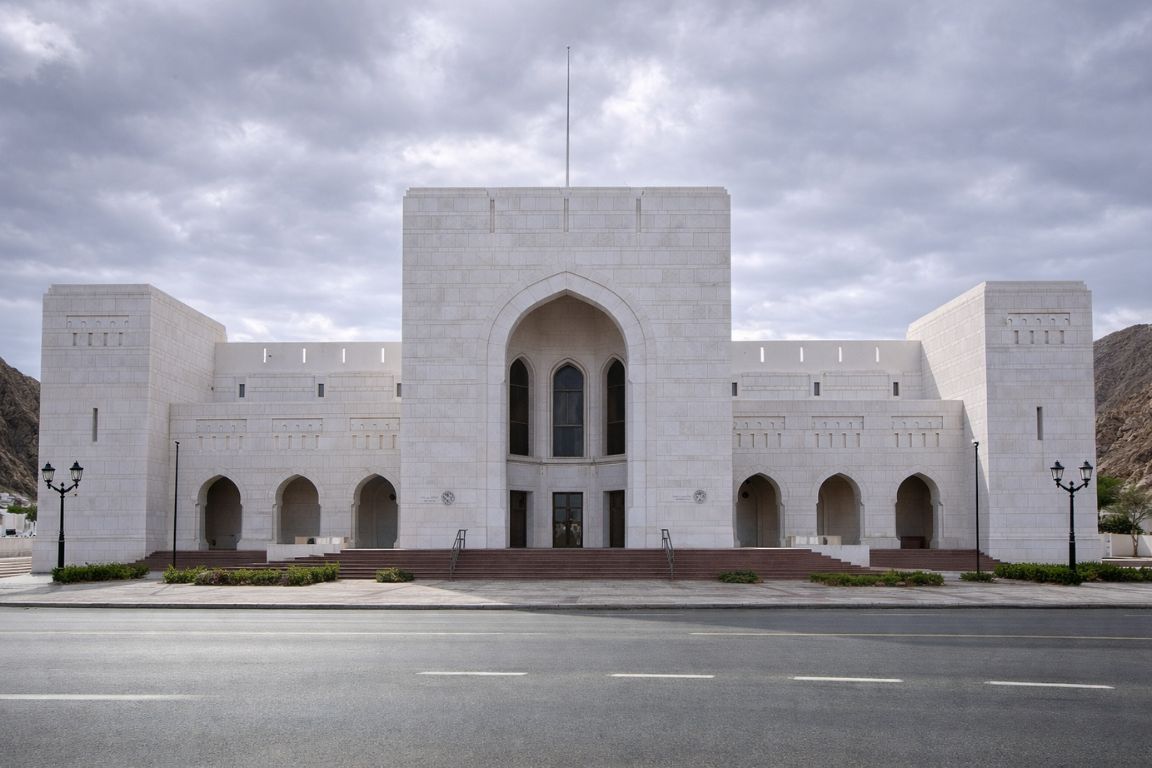
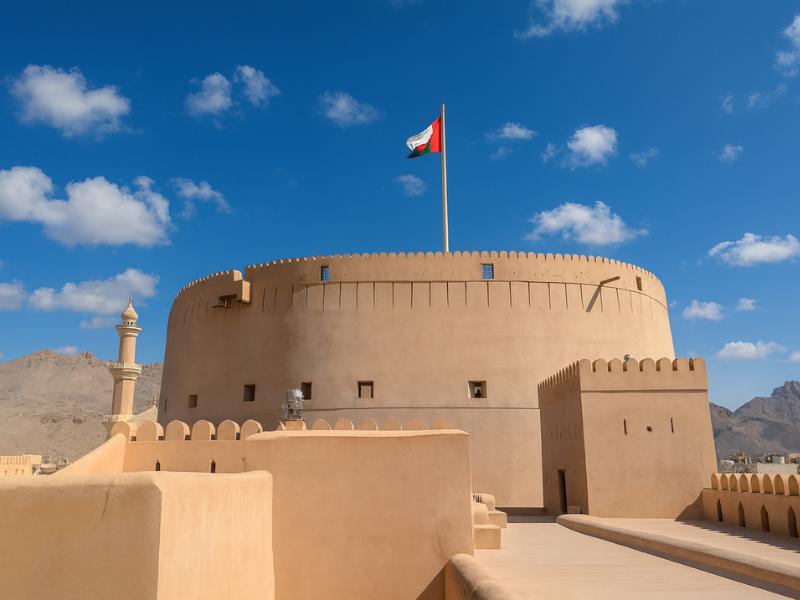
Muscat’s cultural assets are more evenly distributed across the city. The Sultan Qaboos Grand Mosque, the Mutrah Souq, the forts of Old Muscat, the National Museum – these aren’t concentrated in a heritage zone surrounded by skyscrapers. They’re the city. The mountains behind Muscat are the same mountains that have always been behind Muscat. The fishing boats in Mutrah harbor are still used. Oman’s history – maritime trading empire, Ibadi Islamic tradition, frankincense routes – surfaces throughout the experience in a way that Dubai’s history doesn’t. Muscat is a genuinely old place. Dubai is a genuinely new one.
Wondering about cultural expectations? Check out our Oman Muscat tours cultural etiquette guide – it covers everything from photography rules to Ramadan behavior to how to interact with locals respectfully.
Which City Is Easier to Get To?
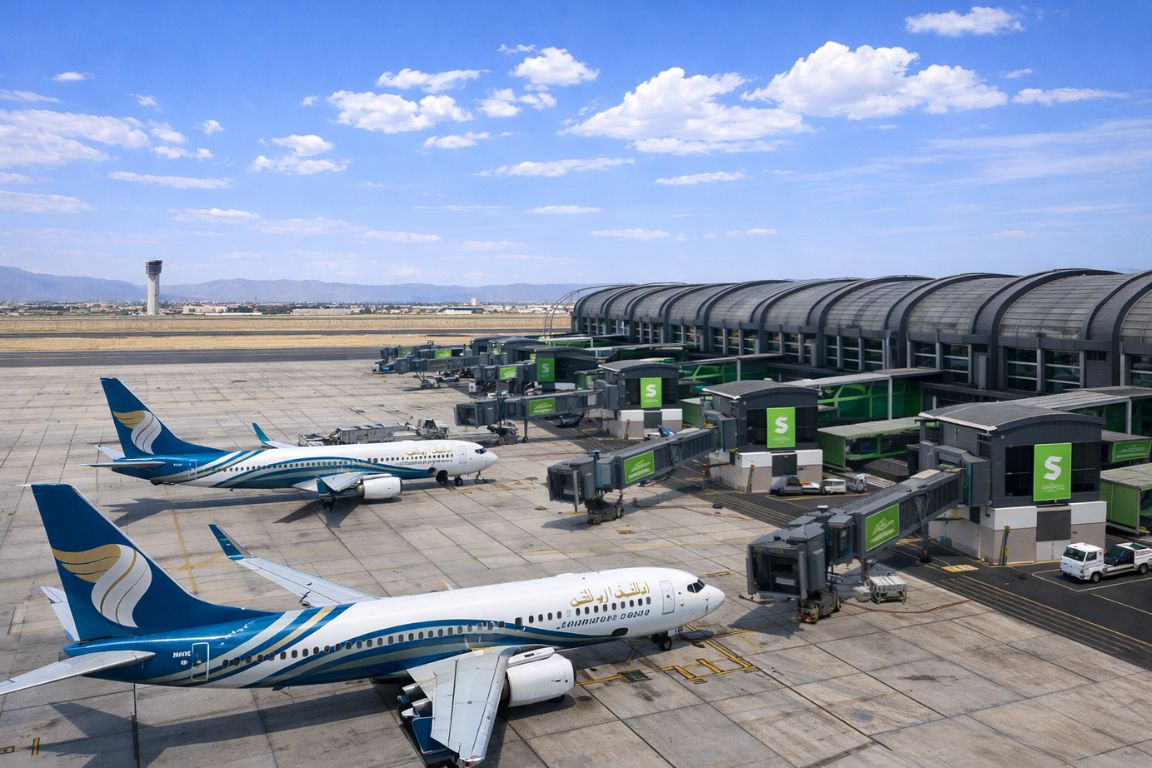 Dubai is easier to reach from most international origins. It has one of the world’s busiest airports, direct connections to virtually every major city, and two airlines (Emirates and flydubai) that compete aggressively on price. Muscat is well-connected but has fewer direct routes and slightly higher average fares from Western departure points. Once you’ve reached either city, getting between them is simple and cheap.
Dubai International Airport (DXB) handles over 90 million passengers annually and offers direct flights from more cities than almost any airport on earth. Emirates, flydubai, and dozens of other carriers connect Dubai to North America, Europe, Africa, and Asia. For most travelers, Dubai is a hub rather than a destination – millions pass through it annually on the way to elsewhere. This flight density keeps fares competitive and gives travelers maximum scheduling flexibility.
Muscat International Airport is smaller but genuinely well-connected. Oman Air, flydubai, Emirates, Air Arabia, and carriers from across Europe, Asia, and Africa operate direct routes. From the UK, multiple airlines fly Muscat direct. From most European cities, there’s a direct option or a single-stop connection. The main practical difference is that budget airline options are fewer for Muscat, which nudges the average ticket price slightly higher from some origins.
Between the two cities, the connection is excellent and very cheap. Emirates, flydubai, and Oman Air collectively operate over 300 flights per week in each direction – roughly 45 flights per day. The flight takes about 1 hour and 15 minutes. Fares often fall below $80 one-way, and round trips under $120 are common in shoulder season. By road, the drive from Dubai to Muscat covers about 460 kilometers through the Hajar Mountains and takes 4.5-5 hours, passing the UAE-Oman border at Hatta. It’s a legitimate option for travelers who want the scenery and flexibility, though border crossing procedures add time. By bus from Dubai’s Al Jubail station, the journey runs 6-8 hours including border processing and costs around $27 USD.
Need to understand your transport options? Our Muscat transportation guide covers rental cars, airport transfers, taxis, and when you need 4WD for wadis and desert trips.
Getting Between Dubai and Muscat: Options Compared
| Flight (direct) | 1 hr 15 min | $64-$150 USD | Most travelers; fastest option |
| Drive (self) | 4.5-5 hrs (plus border) | Fuel + car (if rental allows) | Scenic route; Hajar Mountains view |
| Bus (Mwasalat/ONTC) | 6-8 hrs (inc. border) | ~$27 USD | Budget travelers; most economical |
Flight prices based on Skyscanner data March 2026. Prices verified March 2026
Should You Visit Both Muscat and Dubai on the Same Trip?
Yes, and the combination works better than most people expect. The cities are so different that they complement rather than compete. A typical pairing is 3-4 nights in Dubai for the spectacle and shopping, followed by 4-5 nights in Muscat plus day trips for the culture, nature, and genuine Arabian experience. Flying between them costs almost nothing and takes just over an hour.
The logic of doing both is straightforward. They’re close, cheap to connect, share the same time zone, and require no complicated visa logistics for most nationalities. More importantly, they satisfy completely different travel instincts. Travelers who do Dubai alone often leave satisfied but slightly hollowed-out by the scale and commercialism of it. Travelers who do Muscat alone sometimes wish they’d had the spectacle of Dubai alongside it. The combination – Dubai’s energy and polish, Muscat’s texture and natural beauty – tends to produce the most consistently satisfying Middle East trip.
The sequence matters. Most travelers do better starting in Dubai and ending in Muscat. Dubai’s polish and efficiency make it an easy city to land in jet-lagged and disoriented. Muscat, with its slower pace and more demanding navigation (no metro, less tourist infrastructure), benefits from being visited when you’re already calibrated to the region. The transition from Dubai’s density to Muscat’s quiet also lands better going that direction – it feels like deepening into the trip rather than diminishing it.
The reverse works too. Some travelers find that Muscat first sets a cultural benchmark that Dubai can’t match, which colors the rest of their trip in an interesting way. If your primary interest is authentic culture and you want Dubai as the contrast rather than the foundation, going Muscat-first is worth considering.
For the day trips: plan these out of Muscat. Wadi Shab, Nizwa, the desert, Jebel Akhdar – these are all accessible as full days from a Muscat base. Dubai’s day trips (desert safaris, Abu Dhabi, Ras Al Khaimah) are well-organized but feel more curated. Oman’s day trips feel more genuinely wild.
Don’t spend your whole trip in the capital when Oman’s best landscapes are so close. This breakdown of the best day trips from Oman Muscat tours shows you what’s genuinely worth your time within a few hours’ drive.
What Our Travelers Say About Muscat vs Dubai: 2025 Client Feedback
| % of travelers who came to Muscat directly from Dubai | 38% |
| Most common traveler description of Muscat vs Dubai | “More real” / “More authentic” |
| % who said Muscat exceeded their Dubai-based expectations | 72% |
| Top thing Dubai visitors missed in Muscat | Dubai’s public transport / metro |
| Top thing Dubai visitors preferred about Muscat | Omani people and cultural authenticity |
| % who planned to visit Oman again after first trip | 69% |
Based on Oman Muscat Tours post-trip feedback from 2025 traveler groups. Omar Al-Kalbani and team have guided 7,700+ travelers since founding in 2013.
What Surprises Travelers Coming from Dubai to Muscat
 After years of welcoming travelers fresh off the Dubai flight, a few patterns emerge in what consistently catches them off guard – not unpleasant surprises, mostly, but genuine differences that benefit from advance understanding.
The first is the absence of public transport. Dubai has a reliable metro and public bus network. Muscat has neither in any useful sense for tourists. Every movement requires a taxi, app, or rental car. This adds up, both in time and cost, for anyone used to hopping on the metro between sites. The fix is straightforward – Uber and Careem work well in Muscat – but the mental adjustment from Dubai’s transit convenience takes a day to recalibrate.
The second is the nightlife reality. Some Dubai travelers arrive in Muscat expecting hotel bars with the same scale and energy as Dubai’s scene. What they find is smaller, quieter, and closes earlier. This isn’t a criticism – Muscat’s Corniche at 9pm with local families, sheesha smoke, and karak tea is a genuinely good evening. But it’s not what they were picturing, and the disappointment is avoidable if expectations are set correctly.
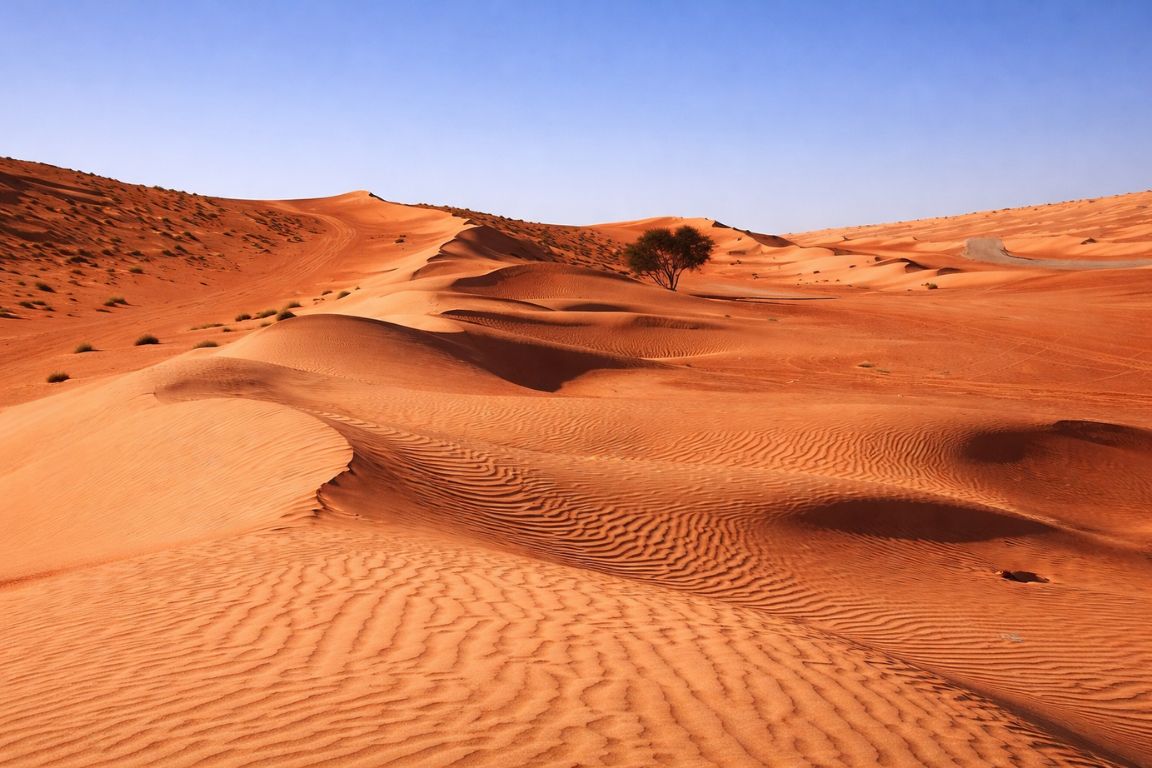
The third is how much better Muscat is outside the city. Dubai’s day trips are organized and enjoyable. Oman’s day trips are genuinely extraordinary. Wadi Shab, Wahiba Sands, Nizwa, Jebel Akhdar – these destinations have no real equivalent in the UAE. The travelers who allocate serious day-trip time from their Muscat base are almost universally the ones who rate the trip most highly. The ones who stay exclusively in the city sometimes wonder what the fuss was about.
Frequently Asked Questions
Is Muscat cheaper than Dubai?
Yes, meaningfully so. Overall cost of living in Muscat is roughly 30-33% lower than Dubai, with the biggest gaps in restaurant meals (up to 50% cheaper at mid-range), hotel accommodation at the 3- and 4-star tier, and transport. At the luxury end, prices converge. Dubai’s public transport (metro) offsets some of the taxi cost advantage Muscat has for daily movement.
Is Muscat or Dubai better for families?
Both work well for families, but with different strengths. Dubai has the edge on child-friendly attractions: theme parks, beach clubs with kids’ pools, indoor activities, and a level of infrastructure designed for ease. Muscat is calmer, less commercial, and Omanis are particularly welcoming to children. Families who want cultural exposure, outdoor adventure, and authenticity over entertainment will prefer Muscat. Families wanting maximum planned activity and resort comfort often prefer Dubai.
Can you visit both Muscat and Dubai on the same trip?
Easily. The flight takes about 1 hour 15 minutes and costs $64-$150 USD one-way. Over 300 flights per week operate between the two cities. A combined Dubai-Muscat itinerary of 7-10 days (3-4 nights Dubai, 4-5 nights Muscat) is one of the most popular Middle East trip structures and works very well. Start in Dubai and end in Muscat for the most natural pacing.
Which city has better beaches: Muscat or Dubai?
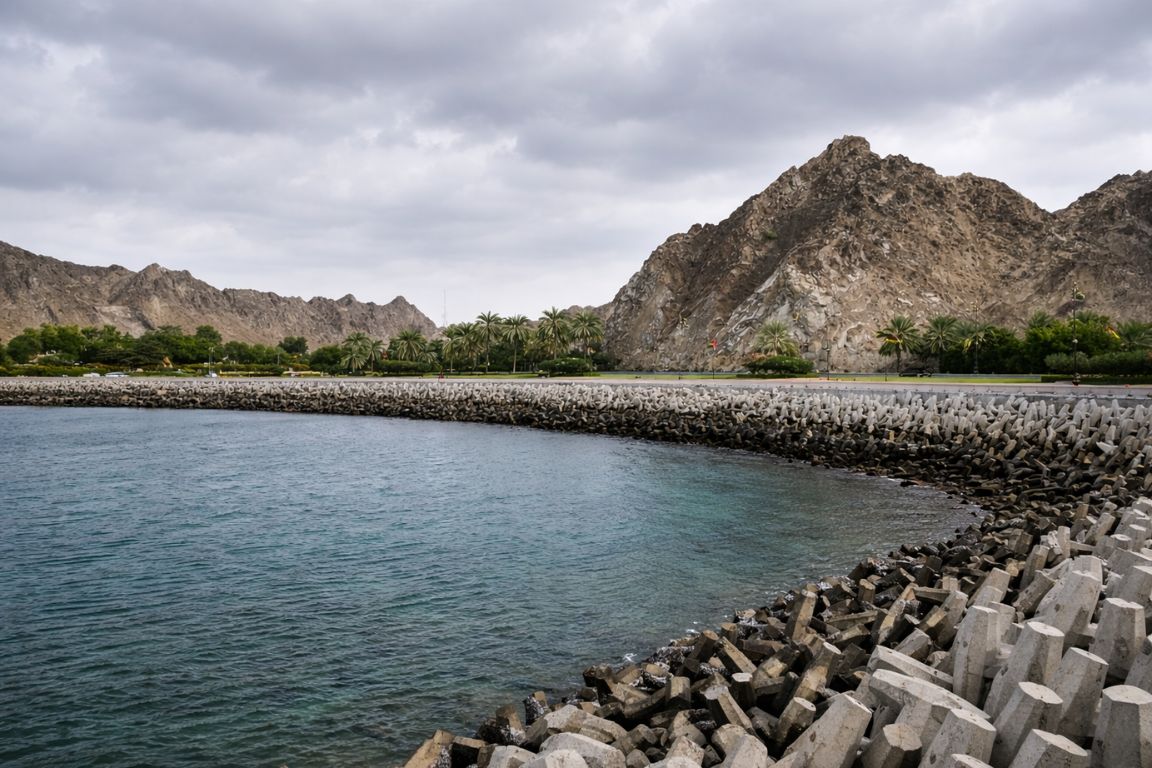
Different characters rather than one better. Dubai’s beaches are well-serviced, commercial, and consistent – beach clubs, water sports, food and beverage all organized and accessible. Muscat’s beaches are quieter, backed by dramatic mountain scenery, and feel much less curated. If you want a beach club experience, Dubai. If you want an empty stretch of water with the Hajar Mountains as the backdrop, Muscat. The Daymaniyat Islands near Muscat are also significantly better for snorkeling and diving than anything accessible from Dubai.
Is Muscat safe compared to Dubai?
Both cities are among the safest in the world for visitors. Oman consistently ranks among the lowest crime-rate countries in the Middle East and Muscat has an extremely low rate of crime against tourists. Dubai is similarly safe. Neither city requires special safety precautions beyond standard travel awareness.
Which city is more culturally authentic?
Muscat, by a significant margin. The Omani population is genuinely present in everyday city life, the cultural sites are lived-in rather than preserved as tourist attractions, and the city’s identity has not been subordinated to international spectacle. Dubai has a fascinating heritage quarter in Al Fahidi and the pre-oil Creek area is worth visiting, but it occupies a small corner of a city whose primary identity is global and modern. Muscat’s primary identity remains distinctly Omani.
Written by Omar Jackson Al-Kalbani
Omani tour guide since 2013 · Founder, Oman Muscat Tours
Omar has guided over 7,700 travelers through Muscat, the wadis, and the deserts of Oman since founding the agency.
Choose the outing, then check your date
Half-Day Private Muscat City Tour - Top Landmarks in Just 4 Hours
Choose a date for your Muscat introduction once the intercity journey is settled. A private four-hour route combines the landmarks, an Omani guide and local pickup.
4.0 hours · Bottled water; Omani Tour Guide English Speaking
Choose a date to view the published schedule checked 9 September 2026. Final availability and price are confirmed on Viator.
Compare options and match my plans
Wheelchair accessible; Public transportation options are available nearby; Transportation options are wheelchair accessible; Suitable for all physical fitness levels; Please be aware that every Friday, both the Sultan Qaboos Grand Mosque and the Royal Opera House are closed. As a result, we will only be able to make a photo stop outside, along with a brief explanation.; Children under 5 years old can join the tour free of charge.; The Grand Mosque is open daily from 8:00 AM to 11:00 AM, and it is closed on Fridays. If your booking is between 11:00 AM and 4:00 PM, we will only be able to make a photo stop outside, along with a brief explanation. Extras: Lunch; Gratuities; Royal Opera House Fee 3 OMR or 8 USD per person. Pickup: (we do pick up and drop off anywhere in Muscat Area) We use a signboard with the name of our clients for Port and Airport
- Evening Muscat Group Tour · 3.0 hours. Bottled water; Air-conditioned vehicle
- Authentic Omani Home Dining · 3.0 hours. Experienced guide
Compare your group costs
Enter complete quotes in the same currency, including transport, tickets and extras. These are your estimates, not live prices.