Muscat Travel Budget
Muscat is cheaper than expected - budget from 35-50 OMR/day, mid-range 70-110, luxury 180+. Tours are the biggest extra cost.
Last updated: April 12, 2026
Keep the city’s free sights in your plan, then price the day trip you most want. Start with the full Muscat departure for Wadi Shab and Bimmah. Check the Wadi Shab day-trip options ↗
Muscat Travel Budget Quick Facts
| Budget | 35 to 50 OMR | $90 to $130 | Basic hotel, local meals, app taxis, free attractions |
| Mid-Range | 70 to 110 OMR | $180 to $285 | 3-4 star hotel, mixed dining, taxis, one day trip |
| Luxury | 180 OMR+ | $470+ | 5-star resort, fine dining, private transfers, premium tours |
Prices verified March 2026. 1 OMR ≈ $2.60 USD. Daily figures exclude international flights.
How Much Does a Trip to Muscat Cost Per Day?
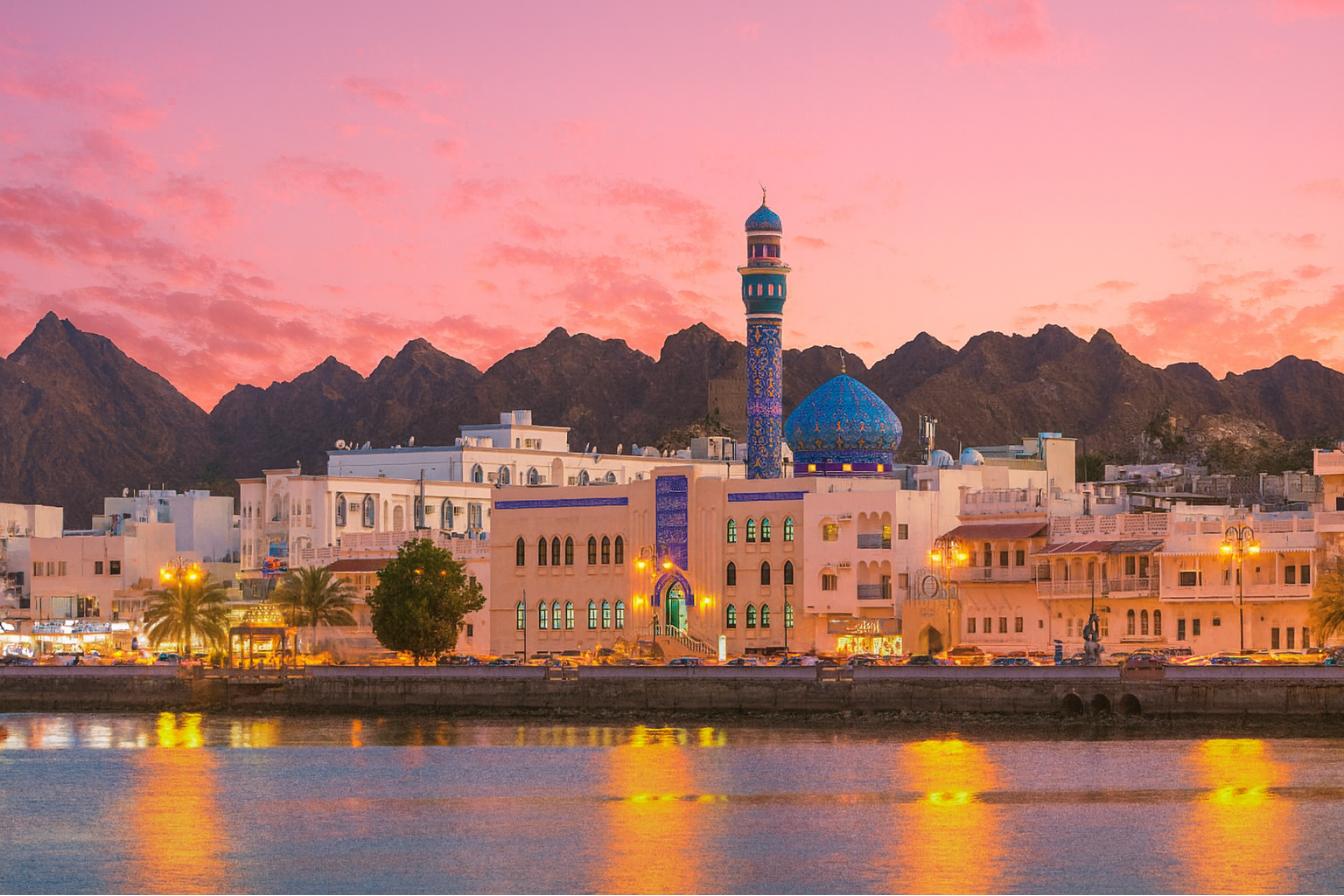 A solo mid-range traveler in Muscat spends roughly 70 to 110 OMR ($180 to $285 USD) per day once you factor in accommodation, food, local transport, and one activity. Budget travelers who eat local and take buses can get that down to 35 to 50 OMR ($90 to $130). Luxury visitors at Muscat’s top resorts should expect 180 OMR and up, not counting guided tours.
The thing people get wrong about Muscat’s price tag: they assume Gulf means expensive. Qatar and Dubai have conditioned that thinking. Muscat runs a different calculation. The city’s attractions are mostly free. The food at local restaurants is genuinely cheap. Where costs climb fast is accommodation at the upper end, day trips, and alcohol. Control those three and Muscat is a surprisingly manageable destination.
One variable worth flagging before looking at category breakdowns: Muscat has a real high season and low season. October through April is peak, when hotel rates can jump 30 to 50 percent above summer prices. A 3-star hotel that costs 20 OMR in July might list at 32 OMR in January. Same room. The crowds and the better weather come with a price premium.
We’ve mapped out how to plan a trip to Oman Muscat tours based on what actually matters – avoiding summer heat, deciding on rental cars, and understanding which sights need guided access.
How Much Do Hotels Cost in Muscat?
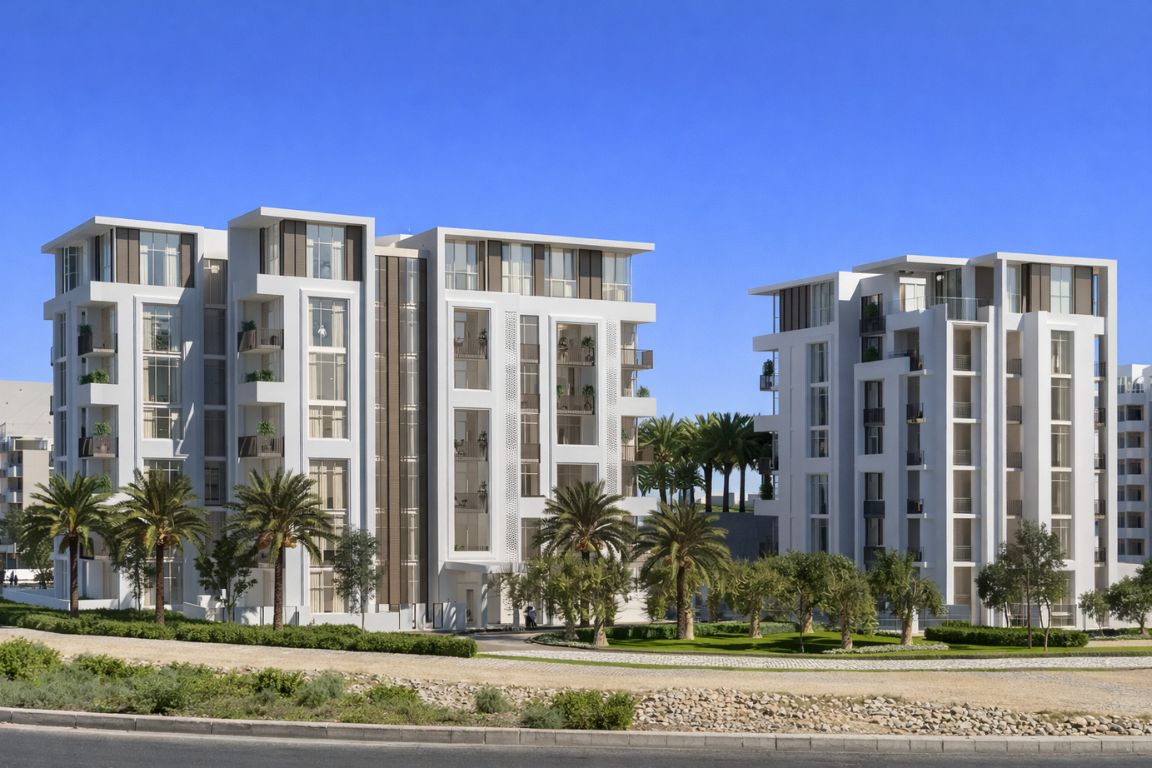 Budget hotels in Muscat start from around 8 to 12 OMR ($20 to $31) per night for a basic private room. A reliable 3-star in a good location runs 15 to 25 OMR ($39 to $65). Mid-range 4-star properties average 35 to 55 OMR ($90 to $145). Luxury five-star resorts start around 75 OMR ($195) and reach 200 OMR or higher during peak season.
There are no proper backpacker hostels in Muscat in the traditional sense. A handful of male-female separated dormitory-style options exist, running around 5 to 6 OMR per night, but selection is thin and location is hit or miss. For most visitors, the realistic floor is a clean basic hotel at 10 to 12 OMR, and these deliver well: private bathrooms, air conditioning, Wi-Fi.
The mid-range sweet spot for visitors who want comfort without stretching the budget is Shatti Al Qurum. A 3-star or lower 4-star in that area runs 20 to 40 OMR and puts you walking distance from restaurants, the Corniche, and a beach. Mutrah is slightly cheaper but less polished. For anyone wanting proximity to the Grand Mosque, the Al Ghubra and Bawshar neighborhoods offer decent rates.
At the luxury end, Muscat genuinely delivers. The Al Bustan Palace Ritz-Carlton, Chedi Muscat, and Shangri-La Barr Al Jissah are consistently rated among the best hotels in the Middle East. Rates start high and climb. These are not the hotels to book last minute in peak season; they fill early and prices spike. Off-season, the value proposition improves considerably.
One money-saving pattern worth knowing: apartment hotels. Muscat has a large supply of furnished apartments aimed at expats and longer-stay business travelers, many listed on Booking.com for 18 to 30 OMR per night. For two people sharing, these often beat a standard hotel room on both price and space, with a kitchen to offset food costs.
Wondering about accommodation strategy? Check out our guide on where to stay in Oman Muscat tours – you’ll likely need both city hotels and desert camps for a full Oman experience.
Muscat Hotel Prices by Category
| Hostel / basic guesthouse | 5 to 8 OMR | $13 to $21 | Very limited supply; gender-separated |
| Budget hotel (private room) | 8 to 15 OMR | $21 to $39 | Clean, functional, AC, private bath |
| 3-star hotel | 15 to 30 OMR | $39 to $78 | Most common choice for solo/couple travelers |
| 4-star hotel | 30 to 55 OMR | $78 to $143 | Pool, gym, breakfast often included |
| 5-star / luxury resort | 75 to 200+ OMR | $195 to $520+ | Private beach, full spa; peaks Dec–Feb |
Prices verified March 2026. Peak season (Oct-Apr) typically 30 to 50% higher than low season.
Working out transport, accommodation, and tours together is where most Muscat budgets go sideways. If you would rather start with a set city route instead of assembling stops yourself, see the Budget-Friendly Muscat City Experience for a four-hour overview at the lower end of the tour prices in this guide.
How Much Does Food Cost in Muscat?
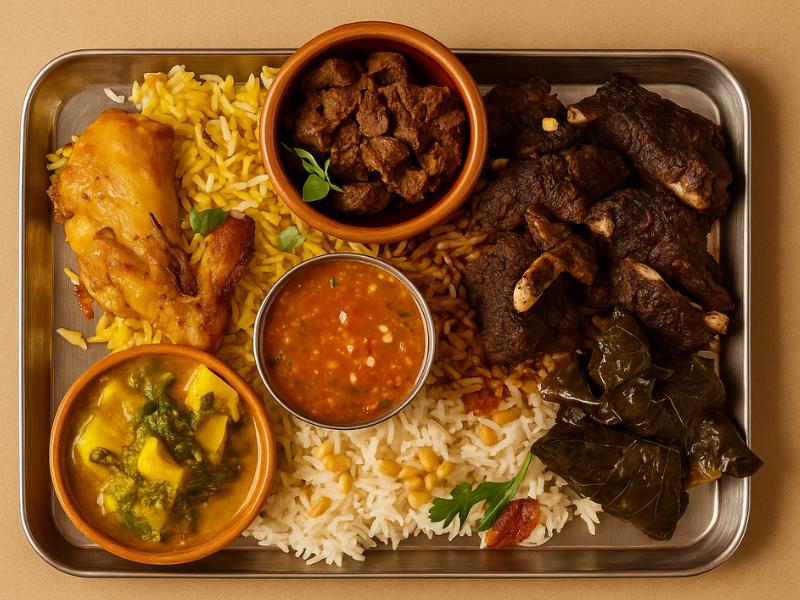
Food in Muscat is one of the cheapest parts of the trip. A meal at a local Indian or Arabic restaurant runs 1.5 to 3 OMR ($4 to $8). A sit-down mid-range restaurant costs 5 to 10 OMR ($13 to $26) per person. Fine dining runs 15 to 25 OMR ($39 to $65) per person. A falafel wrap or shawarma from a street-level spot can be as little as 0.4 OMR ($1).
Muscat’s food scene breaks down into three clear tiers, and the gap between the bottom two and the top is significant. At the affordable end, the city has a massive network of South Asian restaurants, mostly Indian and Pakistani-run, where a large biryani or curry with bread costs under 2 OMR and the portions are genuinely generous. These places sit inside shopping arcades, on side streets near Ruwi, and scattered through the commercial districts. They feed the city’s large expat worker population, which means turnover is fast and quality is consistent. Nobody talks about these places in travel articles, but they are where you eat well without trying.
One tier up, Muscat has a solid selection of mid-range restaurants serving Omani, Lebanese, Turkish, and international food. A three-course dinner for two with soft drinks in this bracket costs 15 to 25 OMR total. For traditional Omani cooking, a handful of restaurants around Shatti Al Qurum and the old city specialize in dishes like shuwa, majboos, and mashuai. These are worth the slight premium at least once for the experience.
Alcohol is its own budget line. Oman permits licensed alcohol in four and five-star hotels and select licensed venues. A beer in a hotel bar runs 3 to 5 OMR ($8 to $13). A glass of wine, more. For visitors who factor drinks into the daily total, the number climbs quickly. Non-drinkers get a genuine cost advantage in Muscat.
Supermarkets are everywhere and well-stocked. Carrefour and Lulu Hypermarket are the main chains. A liter of milk costs under 1 OMR. Fruit, vegetables, and bread are cheap. Anyone staying in an apartment hotel with kitchen access can cut daily food spend significantly by shopping for breakfast and lunches.
How Much Do Tours and Activities Cost in Muscat?
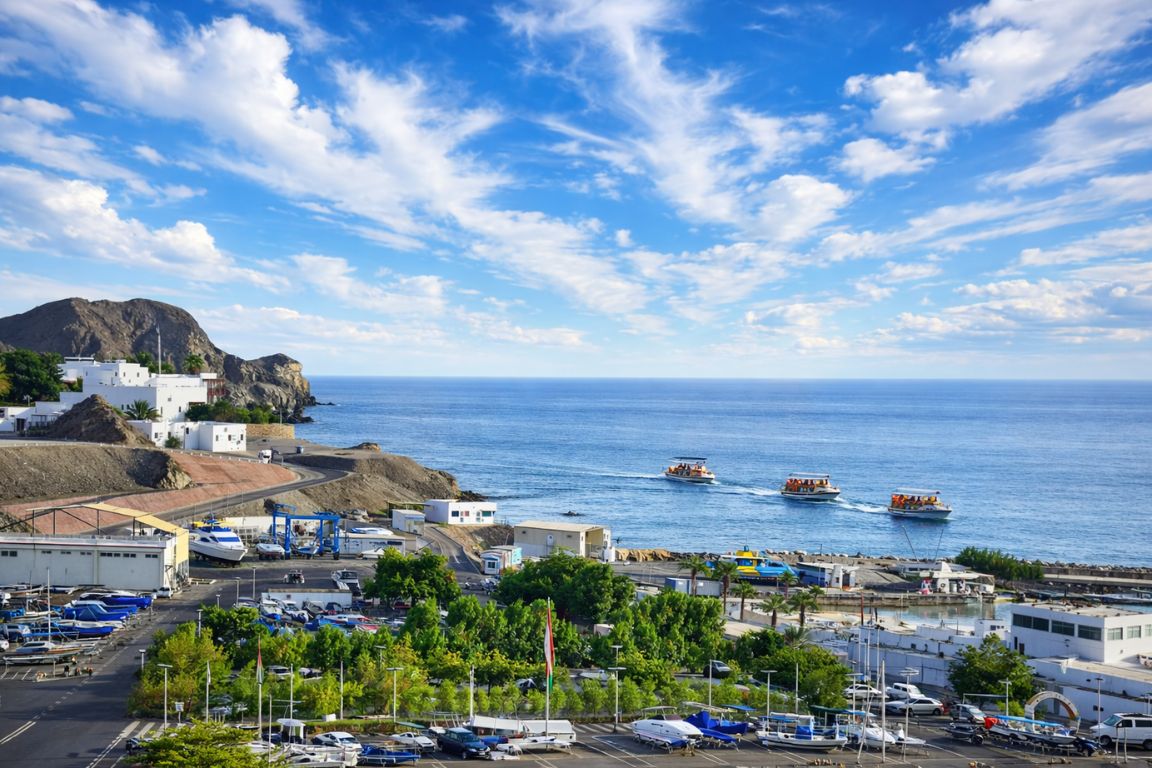 Most of Muscat’s signature attractions are free, including the Sultan Qaboos Grand Mosque, Mutrah Corniche, Al Alam Palace exterior, and all beaches. Guided city tours run 15 to 35 OMR ($40 to $90) per person for a half day. Day trips to wadis and the desert cost 30 to 75 OMR ($80 to $195) per person depending on group size and inclusions.
This is where Muscat genuinely surprises people who have already been to other Gulf destinations. The Grand Mosque is free to enter. The Corniche walk costs nothing. Qurum Beach is free. Wadi Shab entrance costs 1 OMR for the boat crossing. The Bimmah Sinkhole charges no admission. The forts at Nizwa and Jabreen run about 2 OMR per person. Even the National Museum of Oman, which is the most polished and comprehensive museum in the country, is only around 5 OMR. The baseline for a day of sightseeing in Muscat is genuinely low.
Where the cost column opens up is guided day trips. Taking a tour to Wadi Shab and the Bimmah Sinkhole on a shared group tour runs around 12 to 15 OMR per person if you find the right operator. Private day trips for two to four people cost 30 to 50 OMR per person. Desert day trips to the Wahiba Sands with a guide range from 35 to 75 OMR per person. Dolphin watching at Marina Bandar Al Rowdha runs 10 to 17 OMR per person for a morning boat. These are the line items that can double a day’s budget if you stack them.
The honest calculation: budget for one or two paid day trips across a week-long stay. Fill the other days with Muscat’s free attractions and the math stays manageable.
I’ve tested and compared the best Oman Muscat city tours to help you find one that matches your budget, interests, and whether you want deep cultural context or just efficient sightseeing.
Muscat Tours and Attractions Cost Reference
| Sultan Qaboos Grand Mosque | Free | Free | Abaya rental ~2.5 OMR if needed |
| Mutrah Corniche + Souq | Free | Free | Souq purchases vary |
| National Museum of Oman | ~5 OMR | ~$13 | 2 to 3 hrs; well worth it |
| Bimmah Sinkhole | Free | Free | ~1 hr drive from Muscat |
| Wadi Shab (boat crossing) | 1 OMR | $2.60 | Entrance free; boat at water channel |
| Dolphin watching boat | 10 to 17 OMR | $26 to $44 | Morning departure; ~2 hrs |
| Half-day Muscat city tour (private) | 17 to 30 OMR pp | $44 to $78 pp | Cheaper per person in groups |
| Wadi Shab + Sinkhole day trip (private) | 30 to 50 OMR pp | $78 to $130 pp | Group tours cheaper: ~12 OMR pp |
| Desert day trip, Wahiba Sands | 35 to 75 OMR pp | $90 to $195 pp | Overnight adds ~40 to 80 OMR pp |
Prices verified March 2026. “pp” = per person.
How Much Does Transport Cost in Muscat?
 Local transport in Muscat is affordable. City bus fares start at 0.2 OMR per zone. App taxis (Otaxi) run 1.5 to 5 OMR for most city rides. The airport to city center by taxi averages 9.25 OMR; the A1 bus covers the same route for 1 OMR. Car rental starts around 6 OMR per day for a basic compact.
For visitors sticking to central Muscat, daily transport costs are low. Most rides on Otaxi stay under 3 OMR for common distances, like Shatti Al Qurum to Mutrah or Qurum Beach to the Grand Mosque. Budget 3 to 6 OMR per day for city rides and you will cover most eventualities.
Car rental changes the equation. A compact car rents from about 6 to 8 OMR per day with local agencies. International brands at the airport (Hertz, Sixt, Europcar) run higher, typically 15 to 25 OMR per day for a basic car. An SUV 4WD for desert and mountain access costs 25 to 40 OMR per day. Fuel is so cheap (0.239 OMR per liter, roughly $0.62 USD) that running costs barely register. For a trip that includes day trips to wadis and desert, renting for specific days rather than the whole stay is often the smarter calculation.
Need to understand your transport options? Our Muscat transportation guide covers rental cars, airport transfers, taxis, and when you need 4WD for wadis and desert trips.
How Much Does a Week in Muscat Cost in Total?
A solo traveler spending 7 nights in Muscat can reasonably budget 400 to 600 OMR ($1,040 to $1,560 USD) for a mid-range trip that includes two or three day trips. Budget travelers can do it for 250 to 350 OMR ($650 to $910). Luxury travelers spending freely at top-end hotels and private tours should budget 1,200 OMR ($3,120) and up for seven nights.
The table below breaks down what a week actually looks like across two spending levels, using realistic numbers rather than averages scraped from aggregator sites.
| Accommodation (7 nights) | 70 to 100 | 175 to 280 | Budget = basic hotels; Mid = 3-4 star |
| Food and drink (7 days) | 35 to 70 | 70 to 140 | Local meals vs mixed restaurants |
| City transport (7 days) | 15 to 25 | 25 to 45 | Buses vs app taxis |
| Day trips / activities (2 to 3) | 40 to 80 | 100 to 180 | Group tours vs private |
| Miscellaneous (entry fees, shopping) | 15 to 30 | 30 to 60 | Souvenirs, museum entries |
| 7-Day Total | 175 to 305 OMR | 400 to 705 OMR | $455 to $790 / $1,040 to $1,830 |
Prices verified March 2026. Totals are per person and exclude international flights.
How Do You Save Money in Muscat?
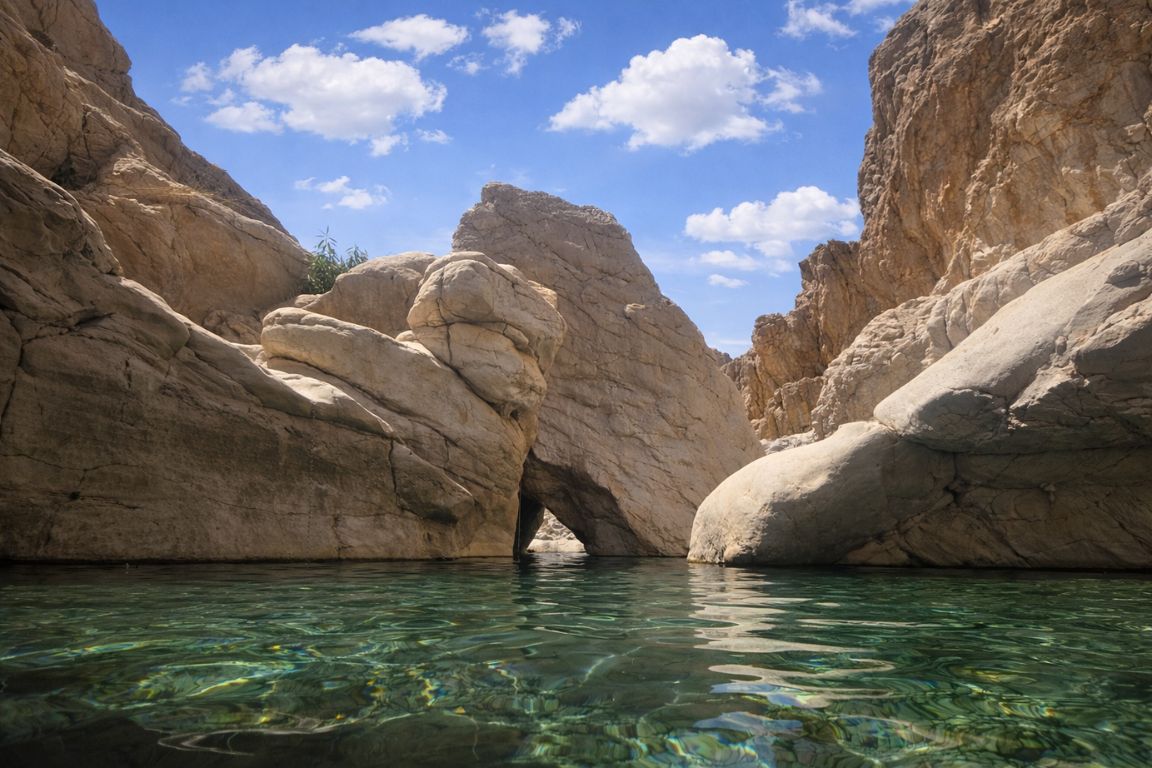 The biggest savings come from eating at local South Asian restaurants instead of hotel restaurants, using Otaxi instead of street taxis, visiting Muscat’s genuinely free major attractions, and booking day trips as group tours rather than private. Visiting in May, June, or September catches lower hotel rates without the full summer heat.
A few specific moves that add up:
Eat where the city eats. The Indian and Pakistani restaurants in Ruwi, Al Khuwair, and the commercial districts serve large, honest meals for 1.5 to 2.5 OMR. These are not tourist restaurants. Most have no English menu. Point at what another table ordered or look for the handwritten specials board. A biryani here is often better than a 6 OMR version at a hotel cafe.
Use app taxis over street hailing. Otaxi consistently prices 20 to 30 percent below the negotiated rate you will get flagging an orange-and-white at a tourist site. The difference over a week of multiple rides is real money.
Front-load your free days. The Grand Mosque, Mutrah Corniche, Al Alam Palace, Qurum Beach, and the fish market at Mutrah all cost nothing. Structure the first two days of the trip around free attractions, then spend on day trips afterward. This spreads the budget and also means you orient to the city before paying for experiences in it.
Book day trips as group departures. A private Wadi Shab tour for two costs 30 to 50 OMR per person. The same route on a group departure runs 12 to 15 OMR. If you do not mind spending the day with other travelers, the group option covers the same highlights at a third of the cost.
Travel in shoulder season. May and early October are the edges of high season where hotel prices start dropping but temperatures are still manageable. Late September in particular offers good deals before the winter rush kicks in around November. Full summer (June to August) is cheapest on accommodation but brutal outside.
Planning around specific travel dates? Our guide on the best month to visit Oman Muscat tours walks you through each month’s weather, crowds, and what you can actually do outdoors.
Use a rental car for multi-stop day trips. A day trip to Wadi Shab and Bimmah Sinkhole as a guided tour costs 30 to 50 OMR per person. Renting a car for that same day runs 8 to 15 OMR for the vehicle, with fuel adding almost nothing given Oman’s subsidized prices. For a couple or small group, self-drive day trips are dramatically cheaper.
How Our Travelers Actually Spend in Muscat
After guiding 7,700+ travelers through Muscat since 2013, the budget patterns are clear. The numbers below reflect actual spending across recent client groups.
| Accommodation | 55-70% | Upgrading after arrival | 40-80 OMR |
| Tours and activities | 60-80% | Adding extra day trips on the ground | 25-60 OMR |
| Food and dining | 45-65% | Hotel restaurant convenience | 15-35 OMR |
| Transport | 50-70% | Street taxi overcharging without app | 5-15 OMR |
| Souvenirs and shopping | 65-85% | Mutrah Souq underestimation | 10-30 OMR |
Where Muscat Budgets Actually Break Down
 The planning looks right on paper, then three things happen that nobody budgeted for. These patterns repeat constantly.
Hotel restaurant creep. After a long day in the heat, the hotel restaurant is right there. Convenient, air-conditioned, English menu. A few dinners there instead of going out adds 6 to 10 OMR per meal over the local alternative. Across a week, that difference can fund another day trip.
Stacking day trips. Muscat sits at a geography that makes everything tempting. Wadi Shab is two hours away. Nizwa is two and a half hours. The desert is two hours in the other direction. Visitors who arrive and start booking day trips daily quickly blow through an activities budget sized for every other day. One or two day trips per week is the realistic pattern for a city-focused trip. If you want to explore Oman’s regions more deeply, plan for it in advance rather than improvising on arrival.
Not sure what’s doable from Muscat? Check out our breakdown of the best day trips from Oman Muscat tours – from wadi swimming to mountain villages to coastal drives.
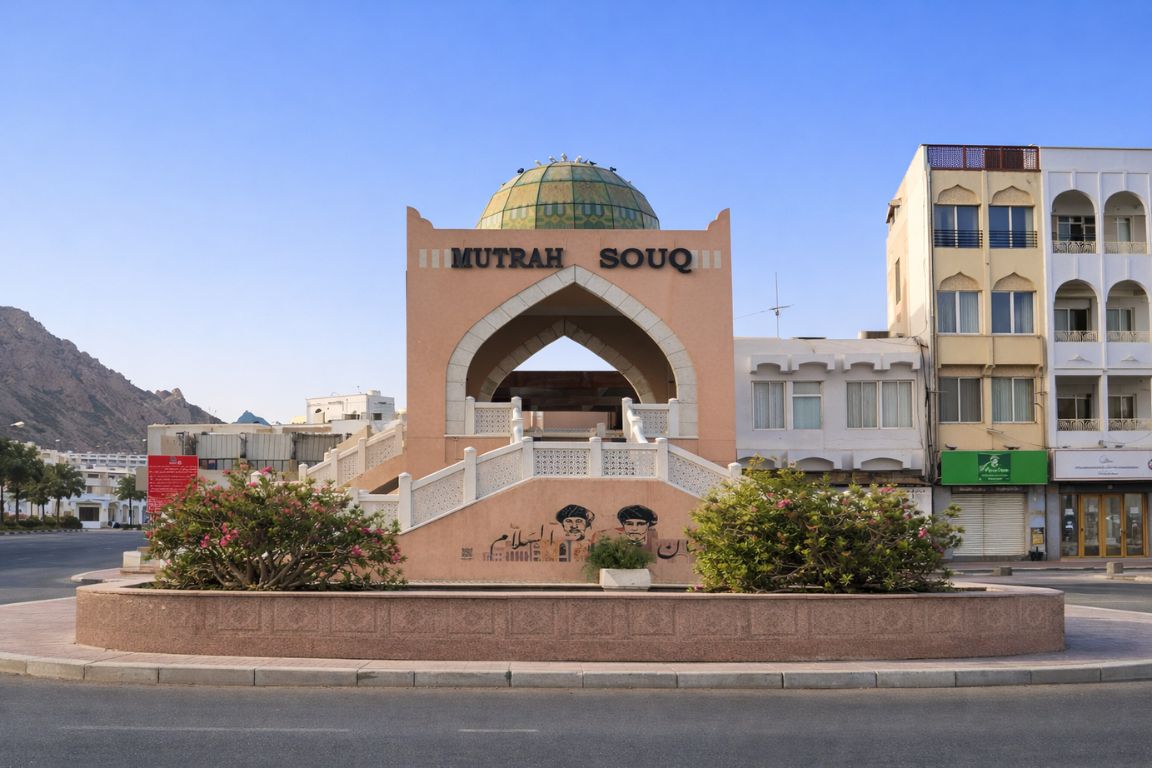
Souq spending amnesia. Mutrah Souq does not feel expensive in the moment. Individual items are cheap. But an hour of browsing frankincense, silver jewelry, Omani khanjar daggers, and woven textiles adds up fast. People who “just look” at Mutrah consistently spend 15 to 30 OMR on things they did not plan to buy. Budget for it rather than pretending it won’t happen.
Peak season hotel price shock. Travelers who booked accommodation prices from a low-season reference point and then travel in December or January face significantly higher rates. The best hotels in Shatti Al Qurum in peak season run 30 to 40 percent above summer pricing. Book early or adjust expectations.
Frequently Asked Questions
Is Muscat expensive compared to other Middle East cities?
Muscat is cheaper than Dubai and Doha and roughly comparable to Amman. Accommodation and food sit noticeably below Gulf neighbor prices. The main cost driver is tours and day trips, since Oman’s landscapes require transport to reach. For city-only travel, Muscat is an affordable destination by regional standards.
How much cash do I need in Muscat?
Cards are accepted widely at hotels, malls, and most restaurants. Cash is needed for bus fares (cash only, paid to the driver), small food stalls, the Wadi Shab boat crossing, and tips. Having 10 to 20 OMR in cash at all times covers most daily needs. ATMs are plentiful in Muscat but usually charge a withdrawal fee, so limit separate withdrawals.
What is the cheapest month to visit Muscat?
July and August are cheapest for accommodation, sometimes 30 to 50 percent below peak prices. The trade-off is 40°C+ heat that makes outdoor activity genuinely difficult. May and late September offer a middle path: shoulder-season hotel rates with temperatures still manageable in the mornings and evenings.
Are tours and activities expensive in Muscat?
Most of Muscat’s city attractions are free. Day trips to wadis, the desert, and the mountains cost 12 to 75 OMR per person depending on whether you book a group or private departure. Group tours run about a third of the price of private tours for the same destinations. Budget one to two day trips per week for a realistic mid-range trip.
Is alcohol expensive in Muscat?
Yes, relative to the rest of the trip. Alcohol is only served in licensed venues at four and five-star hotels and a small number of licensed restaurants. A beer typically costs 3 to 5 OMR ($8 to $13). Wine by the glass is higher. Visitors who drink regularly should factor this in as a separate budget line, since it can add 10 to 20 OMR per day to the total.
How much should I budget for a week in Muscat?
A solo traveler at mid-range spending (3-star hotel, mixed dining, two or three day trips) should budget 400 to 600 OMR ($1,040 to $1,560 USD) for seven nights, excluding international flights. Budget travelers comfortable with basic hotels and local food can do it for 250 to 350 OMR. Luxury travelers at top resorts with private tours should budget 1,200 OMR and above.
Questions about what a Muscat trip should realistically cost for your group size and preferences? Omar and the team answer them daily. You can also check dates for the Budget-Friendly Muscat City Experience if you want a priced city day to plan around.
Written by Omar Jackson Al-Kalbani
Omani tour guide since 2013 · Founder, Oman Muscat Tours
Omar has guided over 7,700 travelers through Muscat, the wadis, and the deserts of Oman since founding the agency.
Choose the outing, then check your date
Wadi Shab and Bimmah Sinkhole Group Full Day Tour
Check one complete day-trip quote before finalizing the activity budget. Select the Muscat Wadi Shab and Bimmah route and review its option-specific inclusions.
9.0 hours · Lunch (except during the month of Ramadan); Meeting point or pick up from hotel (Depending on the selected option)
Choose a date to view the published schedule checked 9 September 2026. Final availability and price are confirmed on Viator.
Compare options and match my plans
Public transportation options are available nearby; Not recommended for travelers with spinal injuries; Not recommended for pregnant travelers; Not recommended for travelers with poor cardiovascular health; Travelers should have at least a moderate level of physical fitness; Children below 7 years old are not allowed to participate in this tour due to the physical activities and safety requirements involved. Extras: tour guide tips:); WiFi on board; For the "Wadi Shab only" option, pick-up from Muscat is NOT included.; Note: areas in Seeb are not included for pick-up. Pickup: Option 1: Hotel Pick-Up (Group and Private Tours) For group tours, pick-up will occur 30 to 60 minutes before the tour starts. Please be ready in your hotel lobby during this window. For private tours, pick-up will be at the exact time chosen for the tour. Look for a vehicle with our company logo and a friendly driver who will confirm your booking details. We will send a reminder and confirm your pick-up time via WhatsApp. Ensure the phone number you provided during booking is correct and active. For any concerns or special instructions, feel free to contact us in advance. Option 2:Meeting Point Pick-Up starts 30 to 60 minutes before the tour starts Travelers choosing the meeting point option must arrive at Al Fair (الفير) near Shell Gas Station Sarooj , just a 5-7 minute walk from the Sarooj Bridge_2 bus station, 10- 15 minutes before the tour starts. Or Travellers can arrive to Mc'Donalds near City Center Mall, near Shell Gas station Parking is available at the meeting point for this tour. Contact us via WhatsApp to receive the exact meeting location link. Option 3: Wadi Shab only (Meet at Wadi Shab parking area) This option is for those who reach Wadi Shab independently (car,taxi). Meet at Wadi Shab parking. Visit to Bimmah Sinkhole and lunch are not included in the tour price.
- Half-Day Private Muscat City Tour - Top Landmarks in Just 4 Hours · 4.0 hours. Bottled water; Omani Tour Guide English Speaking
- Authentic Omani Home Dining · 3.0 hours. Experienced guide
Compare your group costs
Enter complete quotes in the same currency, including transport, tickets and extras. These are your estimates, not live prices.