Where to Stay in Muscat
Where to stay in Muscat? Shatti Al Qurum is best for first-timers, Mutrah for culture, Al Mouj for resorts - here’s how to choose your base.
Last updated: April 12, 2026
Choose your hotel for its neighborhood and facilities. Once you have an address, check a private airport transfer for the arrival leg. See airport-to-hotel transfers ↗
Muscat Hotel Quick Reference
| Shatti Al Qurum | Beach, dining, luxury hotels, Opera House | $100-$500+ | Good along beach strip |
| Mutrah | Culture, souq, Corniche, Old Muscat | $40-$150 | Best in city for sightseeing on foot |
| Qurum | Mid-range, beach access, residential feel | $60-$200 | Moderate; beach walkable |
| Ruwi | Budget, transit hub, city access | $30-$90 | Walkable within area; no views |
| Al Mouj | Airport convenience, modern marina, luxury | $100-$600+ | Good around marina; far from Old City |
| Al Bustan / Bandar Jissah | Secluded luxury, private beach, resort stay | $250-$800+ | Not walkable; resort only |
Prices reflect mid-season rates. Peak season (Dec-Feb) will be higher. Prices verified March 2026
What Are the Main Neighborhoods to Stay in Muscat?
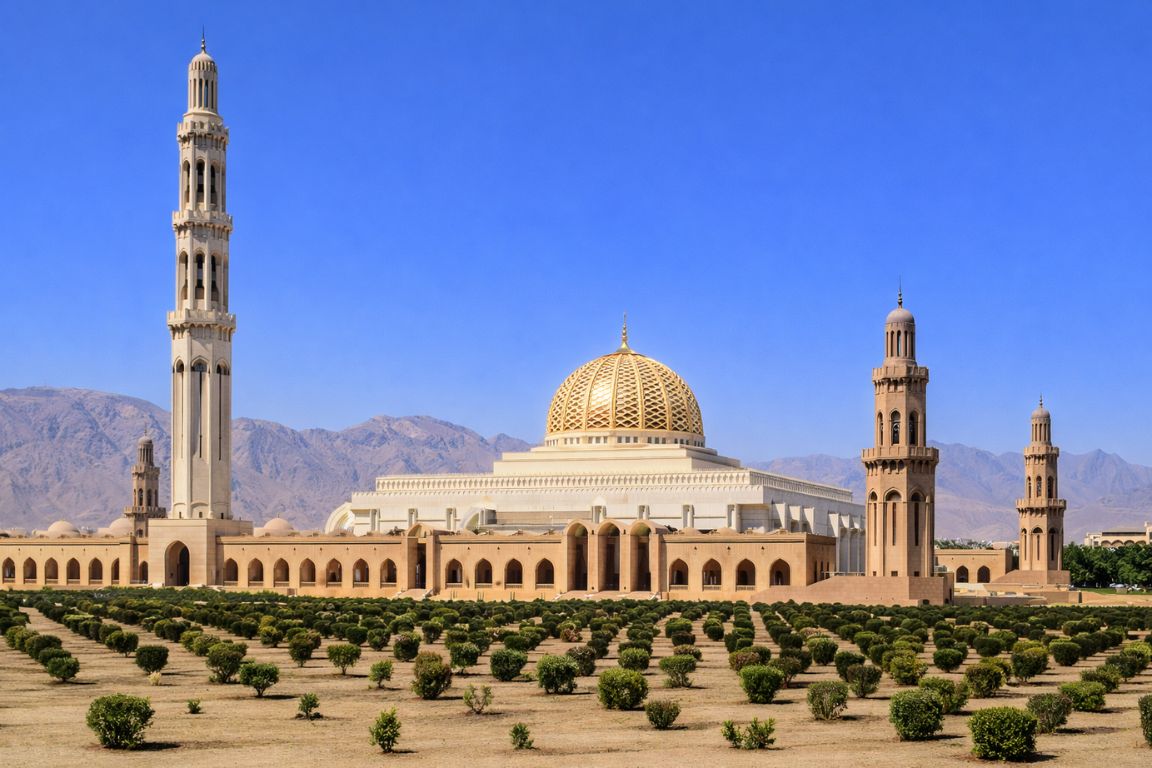 Muscat doesn’t have a single city center. It’s a linear city that stretches roughly 70 kilometers along the Gulf of Oman coastline, organized into a chain of distinct neighborhoods rather than radiating from one downtown core. The five areas most relevant to visitors are Mutrah, Shatti Al Qurum, Qurum, Ruwi, and Al Mouj – each with a different character, price point, and set of trade-offs.
Understanding this geography matters before you book. The Grand Mosque sits in the Ghubrah area, roughly central. Mutrah and Old Muscat are to the east, about 30-35 minutes from the airport. Al Mouj is to the west, 10-15 minutes from the airport. Shatti Al Qurum and Qurum sit in the middle of it all, which is one reason so many travelers end up there. No matter where you base yourself, you’re going to be driving or using taxis to get between the major attractions. The only area where meaningful sightseeing is achievable on foot is Mutrah.
A few things shape the character of each area. Mutrah is Muscat’s oldest inhabited zone, a functioning fishing port and trading district that grew into a city. It retains real texture. Shatti Al Qurum was developed from the 1980s onward as the city’s diplomatic and upmarket residential zone, now home to most of the international hotel brands. Ruwi is the commercial heart, a little India of South Asian restaurants, shops, and budget hotels with genuine urban energy. Al Mouj (also called The Wave) is a relatively new master-planned development near the airport with a marina, golf course, and some of the city’s newest luxury properties.
The honest framing: none of these areas is wrong. They just serve different trips. Below is how to match your priorities to the right one.
Need the full breakdown? Our Sultan Qaboos Grand Mosque guide walks you through dress code requirements, photography rules, guided tour options, and when non-Muslims are allowed to visit.
Muscat Neighborhoods: Distances from Key Landmarks
| Shatti Al Qurum | ~18 km (25 min) | ~12 km (15 min) | ~16 km (20 min) | ~2 km (5 min) |
| Mutrah | ~35 km (35 min) | ~20 km (20 min) | Walking distance | ~16 km (20 min) |
| Qurum | ~20 km (25 min) | ~10 km (15 min) | ~15 km (20 min) | ~3 km (7 min) |
| Ruwi | ~30 km (30 min) | ~15 km (18 min) | ~5 km (10 min) | ~12 km (15 min) |
| Al Mouj | ~10 km (10–15 min) | ~15 km (15 min) | ~25 km (30 min) | ~15 km (18 min) |
| Al Bustan / Bandar Jissah | ~35 km (35 min) | ~25 km (25 min) | ~10 km (15 min) | ~25 km (30 min) |
Drive times approximate and traffic-dependent. Prices verified March 2026
Where Should First-Time Visitors Stay in Muscat?
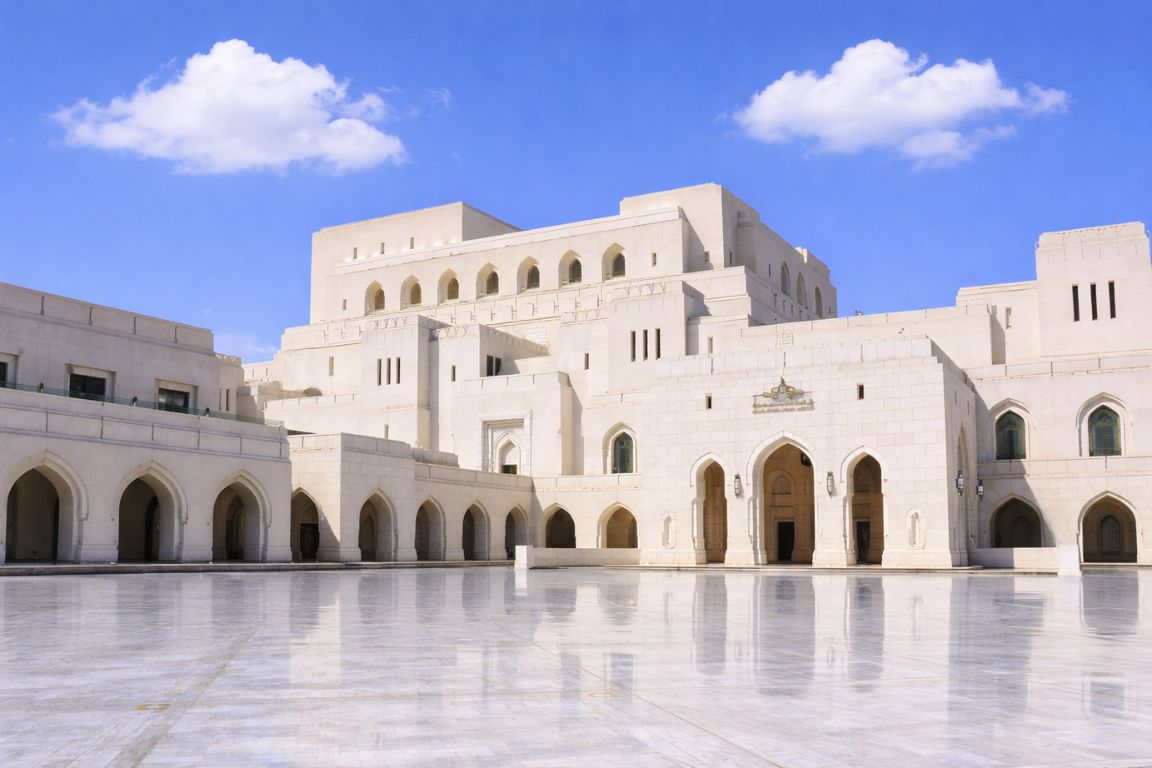 Shatti Al Qurum is the strongest default recommendation for first-time visitors. It puts you five minutes from the Royal Opera House, a short drive from the Grand Mosque and Mutrah, walking distance from a 4km public beach, and in the middle of the city’s best restaurant strip. It’s not the cheapest option, but it removes the most friction from a first trip.
The argument for Shatti Al Qurum on a first visit comes down to one thing that matters more than people expect: having things to do within walking distance when you’re tired. After a full day covering the Grand Mosque, Mutrah, and the forts, you come back to a hotel where the beach is five minutes from the lobby, three good restaurants are within a ten-minute walk, and the Opera House is visible from the street. That matters. In Mutrah, the atmosphere is excellent but restaurant options narrow quickly after dark. In Ruwi, there’s food and energy but no beach and limited comfort. In Al Mouj, everything is good but you’re 30 minutes from the cultural core and you need a car for anything.
For travelers whose primary interest is history and Old Muscat, Mutrah makes a legitimate case. The Naseem Hotel on the Corniche is a local institution – small, well-run, some rooms with sea views, walking distance from the souq and harbor. Staying in Mutrah means you can walk the Corniche at 6am before any tour group arrives, wander into the fish market without planning it, and feel the city’s oldest neighborhood wake up around you. That experience doesn’t exist in Shatti Al Qurum.
The one area we’d gently steer most first-timers away from: Al Bustan and Bandar Jissah. The Shangri-La and Ritz-Carlton properties in that area are exceptional hotels by any standard. But they’re set in a secluded bay 30-35 kilometers from the cultural core of the city. Guests who choose them for a relaxing resort experience have a great time. Guests who choose them expecting easy city access and find they’re spending 35 OMR each way on taxis often don’t.
Not sure which neighborhood fits your specific trip? Book a short stay first, then use a 4-hour Muscat city experience to get oriented before you commit to a longer hotel stay.
First time visiting Oman? Here’s how to plan a trip to Oman Muscat tours so you don’t show up unprepared for the heat, the driving distances, or the mix of modern city and remote desert.
What Are the Best Luxury Hotels in Muscat?
The Chedi Muscat and Al Bustan Palace (Ritz-Carlton) are the two properties that consistently top luxury rankings in Muscat. The Chedi wins on design, service intimacy, and its extraordinary pool – a 103-meter lap pool that’s one of the longest in the Middle East. Al Bustan wins on grandeur, beach, and the sheer scale of its setting between the Hajar Mountains and the sea.
The Chedi sits on 21 acres of gardens in the Al Ghubrah area. The architecture is an unusual blend of Islamic arches and Japanese minimalism, and it works in a way that shouldn’t work. The pools – three of them, two adults-only – are the ones that come up in every conversation about the hotel. The longest runs 103 meters and is temperature-controlled year-round. Six restaurants ranging from Arabic to Asian to Mediterranean mean guests rarely feel the need to leave the property, which is both the hotel’s appeal and its slight disadvantage: it’s somewhat removed from the city, requiring a 15-minute drive to the Grand Mosque and more to reach Mutrah. For guests wanting a private beach retreat with world-class service and don’t need the city on their doorstep, it’s the clear choice.
Al Bustan Palace was built for the GCC Summit in 1985 and carries the weight of that history. The 38-meter domed lobby atrium is the largest hotel atrium in Oman. Four pools, private beach, views of the Hajar Mountains on one side and the Arabian Sea on the other. The Ritz-Carlton has renovated extensively since taking over and the rooms reflect that investment. Its location in the Al Bustan Bay, east of Old Muscat, means you’re 15 minutes from Mutrah and 25 minutes from Shatti Al Qurum’s restaurant strip.
For the best location within the luxury tier, the InterContinental Muscat or Grand Hyatt in Shatti Al Qurum give you beach access and the Opera House nearby – both within the city’s most walkable coastal zone. The W Muscat, also in Shatti Al Qurum, skews younger and more social, with a rooftop bar and design sensibility that stands apart from the more traditional luxury properties. The Kempinski and St. Regis, both in the Al Mouj development near the airport, are newer and polish-heavy, ideal for travelers who want modern luxury and don’t mind the distance from the Old City.
Muscat Luxury Hotels: Key Differences at a Glance
| The Chedi Muscat | Al Ghubrah | $350-$600+ | 103m pool; design; 6 restaurants | Design lovers; honeymooners |
| Al Bustan Palace (Ritz-Carlton) | Al Bustan Bay | $300-$700+ | 38m domed lobby; private beach; mountains | Grandeur; families; beach resort |
| Shangri-La Al Husn | Bandar Jissah | $350-$800+ | Adults-only; clifftop pool; seclusion | Couples; quiet luxury |
| InterContinental Muscat | Shatti Al Qurum | $180-$400 | 35-acre gardens; walkable to Opera House | Location; value in luxury tier |
| Grand Hyatt Muscat | Shatti Al Qurum | $200-$450 | Beachfront; 10 acres; 4 restaurants | Families; beach access |
| W Muscat | Shatti Al Qurum | $200-$450 | Rooftop infinity pool; social vibe | Younger travelers; nightlife |
| Kempinski Muscat | Al Mouj | $220-$500+ | Infinity pool; airport proximity | Short stays; modern luxury |
| Jumeirah Muscat Bay | Bandar Jissah | $300-$650+ | Secluded cove; clifftop spa | Seclusion; romance |
Rates approximate, peak season (Dec-Feb). Prices verified March 2026
What Are the Best Mid-Range Hotels in Muscat?
 The mid-range tier in Muscat – roughly $80-$180 per night – is genuinely strong. The Crowne Plaza in Qurum, the Sheraton Oman in Ruwi, and the Park Inn by Radisson near the Grand Mosque all offer reliable comfort and good facilities without the luxury price tag. For this bracket, location becomes the most important differentiator.
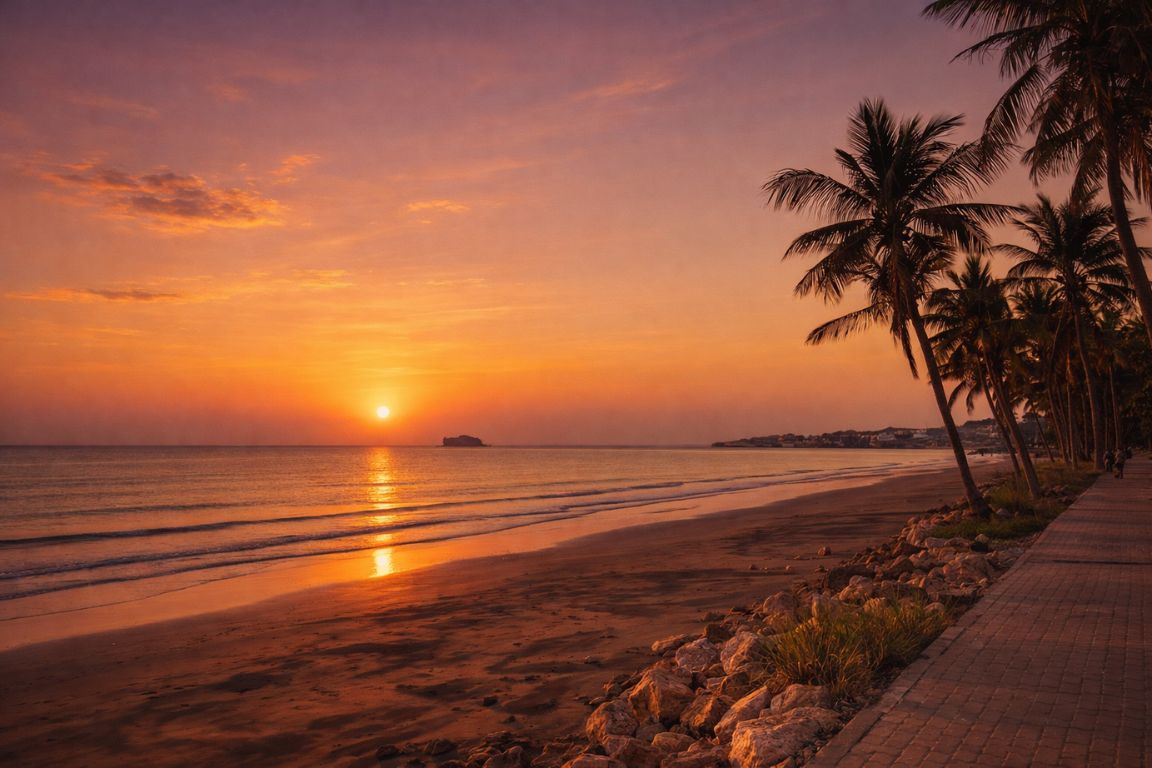
The Crowne Plaza Muscat, sitting on a cliff above Qurum Beach, is the one that comes up most consistently in recommendations from experienced Muscat travelers. The rooms are solid, the sunset views from the dining terrace are legitimately the best in the city, there’s a pool, and the free shuttle to the Grand Mosque and Mutrah removes the main inconvenience of not being in Shatti Al Qurum. It’s not the newest property but the location makes up for a lot. Peak season rates run $120-$200; shoulder season often drops to $80-$130.
The Sheraton Oman Hotel in the Ruwi area is one of those properties that surprises people who arrive with modest expectations. The lobby is grand, the spa and multiple pool setup are better than most mid-range hotels anywhere, and the Club Lounge access is worth paying up for if it’s available. Being in Ruwi rather than on the beach is the trade-off, but for travelers who are planning full days out and just want a reliable, comfortable base, the Sheraton’s value-for-money ratio is hard to fault.
Park Inn by Radisson Muscat is the best pick for travelers who want proximity to the Grand Mosque and easy highway access for day trips. It sits in a genuinely central location between the cultural and modern zones. The rooms are modern, there’s a pool, and the pricing ($80-$130 in shoulder season) makes it one of the better-value options in the city. Not on the beach, not near the souq, but central for everything else.
The Mandarin Oriental and Crowne Plaza OCEC (linked to the convention center) serve the business and convention market well. Both are reliable, modern, and well-located for their respective purposes – the OCEC property for anyone with convention or exhibition business, the Mandarin Oriental for anyone who wants a Shatti Al Qurum beachfront address at a slightly more accessible price point than the Grand Hyatt or W.
What Are the Best Budget Options in Muscat?
Muscat doesn’t have a hostel culture the way Southeast Asian cities do – dorm beds are genuinely hard to find and the budget options are mostly smaller hotels and guesthouses. The best budget choices are concentrated in two areas: Ruwi (best transit access, lowest prices) and Mutrah (best atmosphere, slightly higher budget floor but still affordable). Expect to pay $35-$70 per night for something clean and functional.
Ruwi is the nerve center of budget travel in Muscat. The neighborhood earned the nickname “Little India” for its dense South Asian expat population, excellent cheap restaurants serving biryani and curry, and a lively commercial energy that feels more city-like than anywhere else in Muscat. Haffa House Hotel and Golden Tulip Headington are the names that consistently appear in good-value searches for this area: clean rooms, outdoor pool at the Headington, good breakfast included at both, and prices that regularly come in under $60 per night outside peak season.
Mutrah’s budget options are fewer but more characterful. The Naseem Hotel, a few steps from the Corniche and the souq, is the standout. Small property, attentive staff who go well beyond standard service, and some rooms with genuine sea views. The hosts pack breakfast for early departures without being asked. At around $60-$90 per night, it’s not technically “budget” by Southeast Asian standards, but in Muscat’s context it represents excellent value for what you get and where you are.
Fort Guesthouse near Old Muscat is another legitimate option for travelers who want local character over chain hotel polish. Traditional Omani-style decor, a 14-minute walk from the old watchtower, and prices that put it at the lower end of what’s available in the historic area.
One reality check: Muscat has almost no proper hostels with shared dormitories. The accommodation infrastructure skipped that tier during development. Solo budget travelers who normally rely on hostel common rooms for social connections will need to look harder here. Legacy Hostel, with basic dorm-style rooms near the Grand Mosque area, is one of the rare exceptions. It’s worth checking availability if you’re traveling alone on a tight budget.
Worried about costs? I’ve put together a complete Oman Muscat tours travel budget so you know exactly what you’ll spend on rental cars, desert camps, hotels, and those surprisingly affordable Omani meals.
Should You Stay in Mutrah or Shatti Al Qurum?
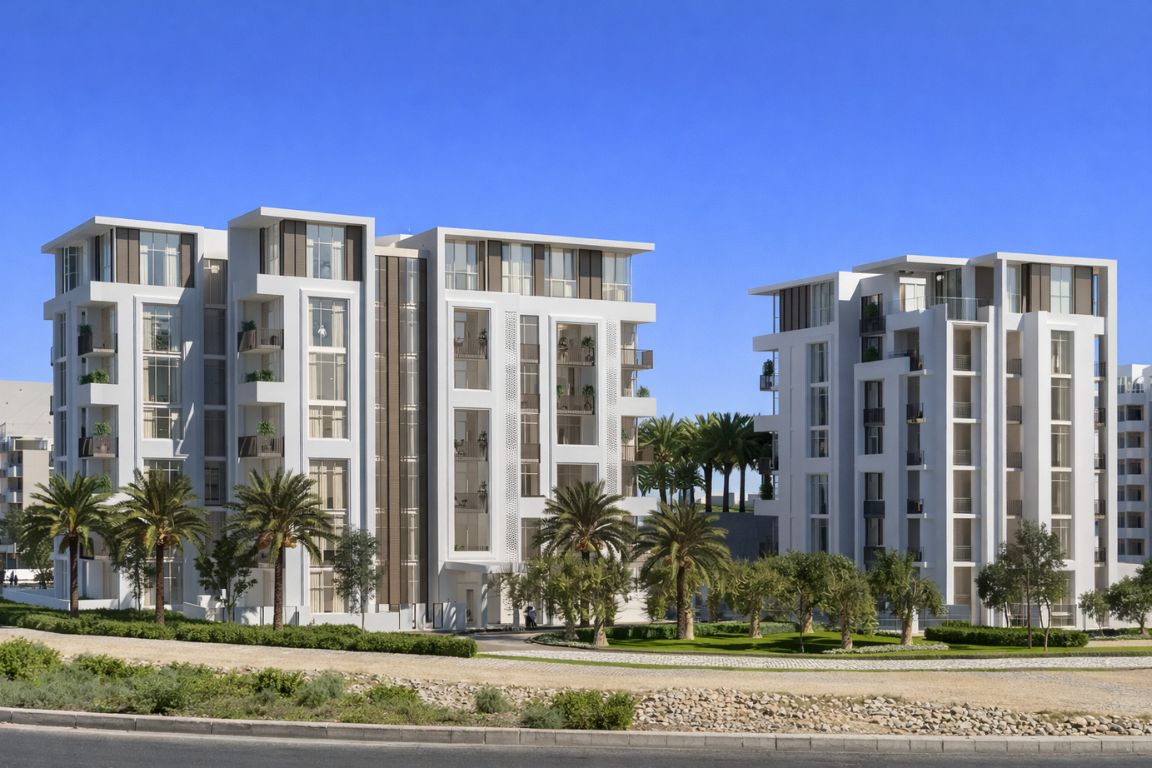 This is the most common hotel location debate in Muscat, and the answer depends on what kind of trip you’re running. Mutrah is right for travelers who prioritize culture, atmosphere, and walking access to the Old City’s sights. Shatti Al Qurum is right for travelers who want beach access, a strong restaurant and bar scene, and a more modern, comfortable base.
Mutrah’s case is built on texture. The Corniche at sunset, when the light goes amber on the old buildings and the fishing boats sit in the harbor below Mutrah Fort, is one of the genuinely beautiful urban scenes in the Gulf. You walk out of your hotel and five minutes later you’re in the souq. The fish market is a five-minute walk in the other direction. Old Muscat, the Sultan’s Palace, and the Portuguese forts are accessible on foot if you’re willing to take the longer route along the water. There’s nothing forced about the atmosphere – it exists because this is still a living, working port neighborhood, not a reconstructed heritage zone.
The trade-offs are real. The hotel stock in Mutrah is older and the restaurant scene, while authentic, is limited compared to the Shatti Al Qurum strip. There’s no beach swimming directly accessible from Mutrah. Getting to the Grand Mosque, the Opera House, or anywhere west of Ruwi requires a taxi. If you’re spending most of your time at Muscat’s cultural sites and don’t need a beach at the end of the day, Mutrah is your neighborhood. If the beach matters and you want the option to walk somewhere good for dinner without planning it, Shatti Al Qurum wins.
A two-location approach that several of our traveler groups have used well: two or three nights in Mutrah at the start of the trip for immersive cultural time, then move to Shatti Al Qurum for the remaining days to decompress at the beach and use it as a base for day trips. The overhead of changing hotels is real, but the payoff for a longer stay is that you get both experiences without compromise.
Mutrah vs. Shatti Al Qurum: Side by Side
| Atmosphere | Historic, authentic, traditional Arab port | Modern, cosmopolitan, resort-style |
| Beach access | No direct beach swimming | 4km public beach at the doorstep |
| Restaurants nearby | Limited; mostly local Omani/South Asian | Wide variety; international and upscale |
| Hotel quality | Older stock; fewer 5-star options | Best hotel concentration in city |
| Walking to sights | Excellent – souq, Corniche, forts on foot | Opera House walkable; others need taxi |
| Price floor | $40-$90 for decent options | $100+ for most properties |
| Best for | Culture-focused, shorter stays, solo travelers | Families, beach holidays, longer stays |
Based on Oman Muscat Tours 2025 traveler feedback. Prices verified March 2026
How Far Are Muscat Hotels from the Main Attractions?
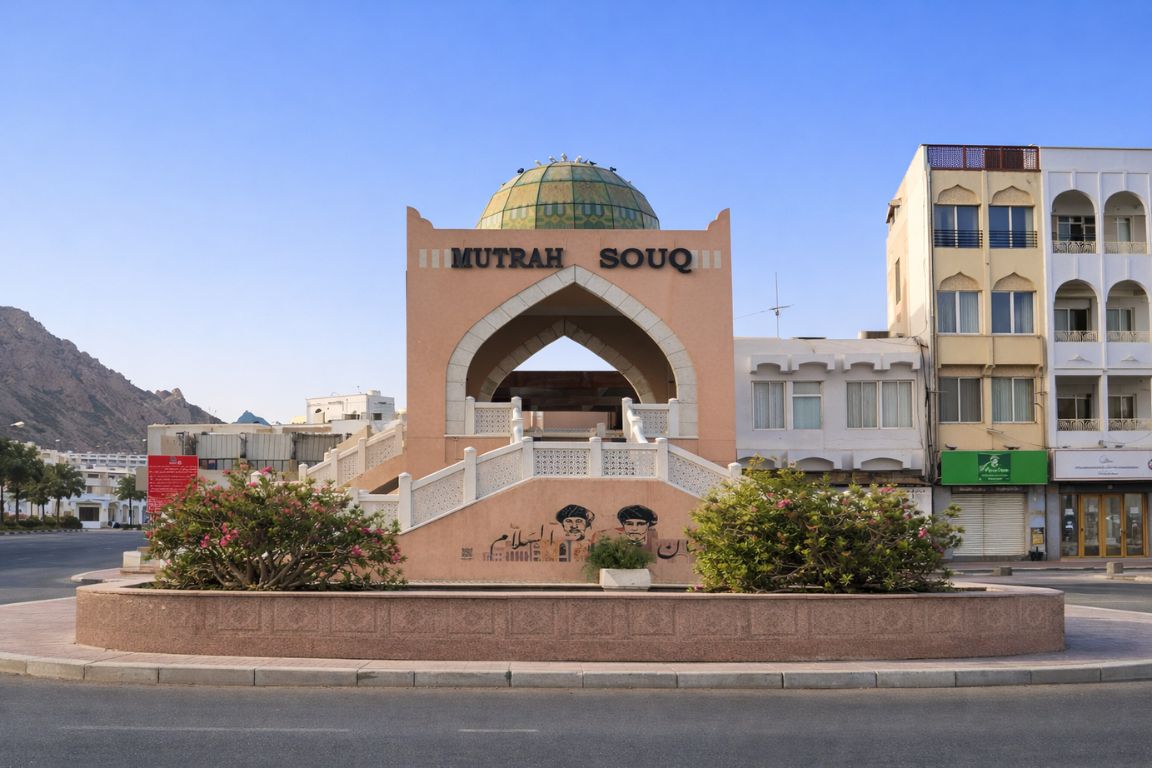 In Muscat, “central” is a relative concept because there is no single center. The Grand Mosque, Mutrah Souq, and the Royal Opera House form a rough triangle spread across 20 kilometers of coastline, and no neighborhood sits equidistant from all three. Shatti Al Qurum comes closest, splitting the difference between the cultural core and the mosque.
The Grand Mosque in Al Ghubrah is the attraction with the most variable travel times depending on where you’re based. From Shatti Al Qurum, it’s a 15-minute drive. From Al Mouj, also about 15 minutes. From Mutrah or Ruwi, it’s 20-25 minutes. The mosque closes to visitors at 11am on weekdays, so arrival time matters more than the drive time itself. Getting there by 8:30am from any of the main hotel areas is straightforward with a taxi booked the night before.
Mutrah Souq and the Corniche are most accessible from Mutrah itself (walking) and from Ruwi (10 minutes by taxi). From Shatti Al Qurum, expect 20-25 minutes in traffic. From Al Mouj, closer to 30 minutes. The Corniche in the late afternoon is genuinely worth prioritizing; if you’re based in Shatti Al Qurum, build in the transit time rather than treating it as a quick stop.
The Royal Opera House in Shatti Al Qurum is easily the most accessible major attraction for most hotels. From the InterContinental, Grand Hyatt, or W Muscat, it’s a five-minute walk. From the Crowne Plaza in Qurum, a short taxi ride. From Mutrah, about 20 minutes.
We’ve done the legwork comparing the best Oman Muscat city tours so you don’t have to sort through dozens of operators with identical-sounding half-day itineraries.
Day trips outside the city – Wadi Shab, Nizwa, Wahiba Sands – all depart from the highway system rather than from any specific neighborhood. For these, your hotel location matters less than having a car or tour arranged. All of the main hotel areas sit within 20 minutes of the Sultan Qaboos Highway, which is the artery for every major day trip destination.
We’ve rounded up the best day trips from Oman Muscat tours so you’re not stuck wondering what’s genuinely reachable in a day versus what requires leaving at 5am and getting back exhausted.
Where Our Travelers Actually Stay in Muscat: 2025 Client Data
| Most common area chosen by first-time visitors | Shatti Al Qurum / Qurum (combined) |
| % who stayed in Mutrah area | 22% |
| % who stayed in Shatti Al Qurum / Qurum | 51% |
| % who stayed in Al Mouj or Al Bustan area | 18% |
| Top regret from hotel location choices | Choosing Al Bustan/Jissah without realizing distance from city |
| % who said they’d stay in same area again | 74% |
| Most common hotel complaint reported | Taxi pricing at hotel entrances; recommend using Uber/Careem instead |
Based on Oman Muscat Tours client groups from 2025. Omar Al-Kalbani and team have guided 7,700+ travelers since founding in 2013.
Hotel Mistakes That Catch Travelers Off Guard in Muscat
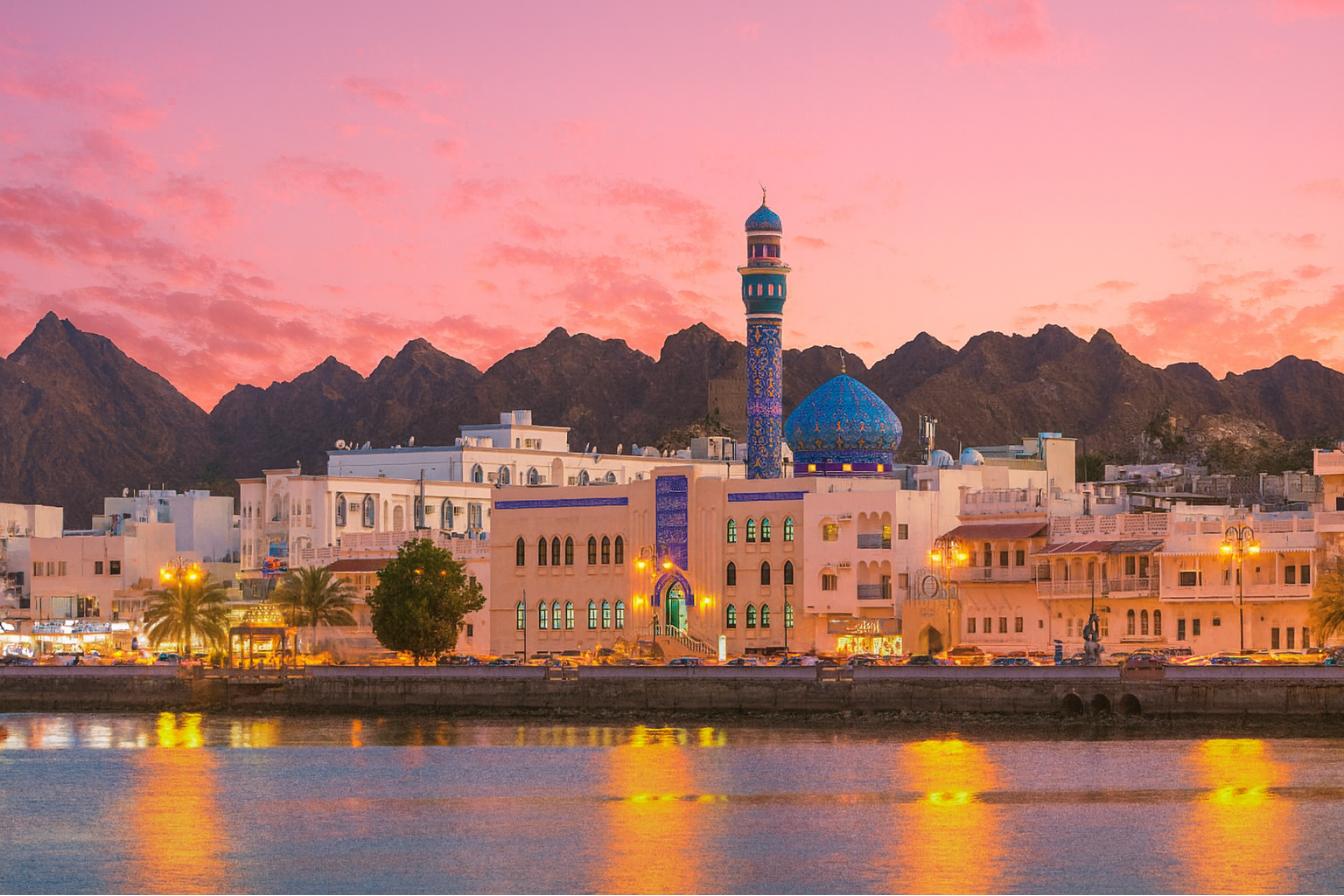 After guiding thousands of travelers through the city, the hotel-related friction that comes up most consistently is predictable and avoidable with a little advance thinking.
The first is choosing the secluded resort without accounting for the taxi costs. Al Bustan Palace and the Shangri-La / Jumeirah properties in the Bandar Jissah area are exceptional hotels. But they sit in a private bay 30-35 kilometers from central Muscat, and the road to get there winds through mountain terrain. A round-trip taxi to the Grand Mosque is 12-18 OMR. Do that twice a day for four days and you’ve spent the equivalent of one night’s accommodation in transport alone. Travelers who choose these resorts for a pure beach and relaxation trip are satisfied. Travelers who choose them expecting to use the city without thinking about the cost are regularly frustrated.
The second is booking peak-season (December through February) accommodation late. The best-value properties in Shatti Al Qurum and Qurum – the Crowne Plaza, the InterContinental, the mid-range options that aren’t priced like luxury – fill up two to three months before Christmas. Travelers who check availability in October for a December trip often find only the most expensive options remain, or properties in locations they wouldn’t have chosen first. Book early or expect to pay a premium for last-minute availability.
Timing is critical in Oman. The best time to visit Oman Muscat tours depends on whether you can handle 45°C desert heat or prefer the mild winter months when everything is actually comfortable.
The third is underestimating the hotel taxi situation. Some Muscat hotels maintain informal relationships with taxi drivers who wait at the entrance and charge significantly above Uber rates. Several travelers from our groups have reported being charged 10-15 OMR for rides that would have cost 4-5 OMR on Careem or Uber. The fix is simple: open the app before stepping outside rather than accepting the first offer from a waiting driver.
Frequently Asked Questions
What is the best area to stay in Muscat for first-time visitors?
Shatti Al Qurum is the strongest default for first-timers. It puts you near the Royal Opera House, on a 4km public beach, within a short drive of the Grand Mosque and Mutrah, and in the middle of Muscat’s best restaurant concentration. It’s more expensive than Ruwi or Mutrah but removes the most logistical friction from a first trip.
Is Mutrah a good place to stay in Muscat?
Yes, for the right kind of traveler. Mutrah is Muscat’s most atmospheric and walkable area, with the souq, Corniche, forts, and fish market all accessible on foot from most hotels. The hotel stock is older and there’s no beach swimming, but the cultural immersion is unmatched elsewhere in the city. Best for travelers prioritizing history and local atmosphere over beach access and modern amenities.
What is the best luxury hotel in Muscat?
The Chedi Muscat for design, pools, and service intimacy. Al Bustan Palace (Ritz-Carlton) for grandeur, private beach, and iconic status. The choice between them depends on whether you want minimalist elegance or palatial scale. Both are consistently at the top of Muscat luxury rankings. For those who want luxury with walkable city access, the InterContinental or Grand Hyatt in Shatti Al Qurum offer a strong compromise.
Are there budget hotels in Muscat?
Yes, concentrated mainly in Ruwi and Mutrah. Haffa House Hotel and Golden Tulip Headington in Ruwi are reliable and affordable ($40-$70 per night outside peak season). The Naseem Hotel in Mutrah is a popular cultural-area option at $60-$90 per night. Muscat lacks proper hostels with dorm beds; the budget floor is generally higher than Southeast Asia but reasonable by Gulf standards.
How far is the Grand Mosque from most Muscat hotels?
From Shatti Al Qurum or Qurum, roughly 12-15km and 15 minutes by car. From Al Mouj, about 15 minutes. From Mutrah or Ruwi, 20-25 minutes. All major hotel areas can reach the mosque in time for the 8am opening with a taxi booked the night before. The mosque closes to visitors at 11am on weekdays.
Should I stay in Al Mouj (The Wave)?
Al Mouj is a good choice for travelers arriving late or departing early who want to minimize airport transit time, and for those whose primary interest is the modern marina and resort lifestyle. It’s 10–15 minutes from the airport and has strong hotel options (Kempinski, St. Regis). The trade-off is distance from the cultural core – Mutrah is 30 minutes, which adds up over a short stay. It works best for travelers using Muscat primarily as a base for day trips rather than urban sightseeing.
Written by Omar Jackson Al-Kalbani
Omani tour guide since 2013 · Founder, Oman Muscat Tours
Omar has guided over 7,700 travelers through Muscat, the wadis, and the deserts of Oman since founding the agency.
Choose the outing, then check your date
Muscat: Airport Private Transfer to/from all Muscat Hotels
Once you have chosen a hotel, check the airport transfer for your arrival date. Confirm the property, direction and luggage with the operator.
0.5 hours · Private transportation; Bottled water
Choose a date to view the published schedule checked 9 September 2026. Final availability and price are confirmed on Viator.
Compare options and match my plans
Public transportation options are available nearby; Infants are required to sit on an adult’s lap; Not recommended for travelers with spinal injuries; Suitable for all physical fitness levels Extras: All Fees and Taxes. Pickup: Welcome to Muscat Oman. At Airport: Our drivers will meet you at the arrival hall with a sign board of your name. You also can contact us for further information via our WhatsAapp. At Hotels/ resorts any spot: our driver will meet you at the lobby of your hotel and take you directly to your next destination either airport or any specified destination.
- Half-Day Private Muscat City Tour - Top Landmarks in Just 4 Hours · 4.0 hours. Bottled water; Omani Tour Guide English Speaking
- Authentic Omani Home Dining · 3.0 hours. Experienced guide
Compare your group costs
Enter complete quotes in the same currency, including transport, tickets and extras. These are your estimates, not live prices.